


Flooding can turn a short journey to a hospital into a serious emergency. When roads around Lekki, Ajah, Ikoyi, Victoria Island or mainland communities become submerged, ambulances and private vehicles may struggle to reach patients or move them safely.
In such situations, flood medical evacuation in Lagos may require a combination of boat transport, ambulance coordination and careful transfer planning. The objective is not simply to move a patient quickly. The patient must also be protected from further injury, exposure and delays during the journey.
Families, hospitals, care homes, companies and event organisers should understand how emergency movement works before floodwater blocks normal access.
When Flooding Makes Road Evacuation Unsafe
Driving through deep water is not always faster than waiting for a safer route. Floodwater can hide potholes, open drains, damaged road surfaces and stalled vehicles. Even a high vehicle may lose power if water enters the engine.
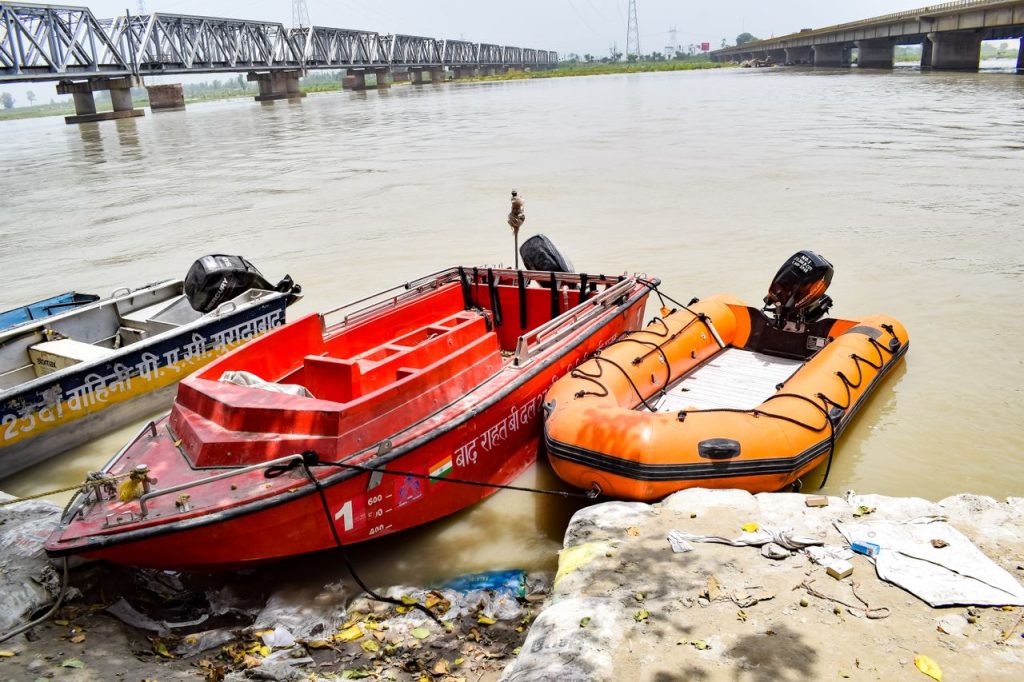
Medical evacuation by water may become necessary when the patient’s home or location is close to a canal, lagoon, jetty or other navigable access point. The boat can move the patient to a dry area where an ambulance or medical vehicle is waiting.
This type of arrangement may be needed for:
- Patients requiring urgent hospital treatment
- Elderly people who cannot walk through water
- Pregnant women experiencing complications
- Injured residents trapped in flooded buildings
- People who depend on oxygen or medical equipment
- Patients being transferred between health facilities
The medical condition, available access points and water conditions should determine the evacuation method.
What to Tell the Coordinator Immediately
Clear information helps the transport team make the right arrangements. A general message saying someone is “stuck in the flood” may not be enough.
Provide the patient’s exact location, nearest landmark and a working contact number. Explain the patient’s condition and whether the person can sit, walk or needs to remain lying down.
The coordinator should also know:
- Whether a medical professional is with the patient
- The hospital or clinic receiving the patient
- Whether oxygen, a wheelchair or stretcher is required
- The number of accompanying relatives or caregivers
- Whether a boat can approach the building safely
- Where the ambulance can wait on dry ground
Sending recent photos or videos of the water level and access route can help the team assess the situation before arrival.
How Boat and Ambulance Transfers Work Together
Many flood evacuations involve more than one vehicle. A boat may collect the patient from a flooded community and take them to a jetty or accessible roadside point. An ambulance then continues the journey to the hospital.
The transfer point should be chosen carefully. It needs enough space for the boat to approach, the patient to be lifted safely and the ambulance to park without blocking traffic.
For instance, a patient in a flooded part of Ajah may need to travel by boat to an accessible section of the Lekki corridor before continuing by road to a hospital. Without coordination, the ambulance may arrive too early, wait at the wrong point or leave because the boat is delayed.
Travo.ng can help organise the water and road stages as one connected movement instead of leaving the family to contact separate operators during an emergency.
Patient Safety Must Come Before Speed
The fastest available boat is not automatically the safest option. Medical evacuation requires a stable vessel, an experienced operator and enough space for the patient and essential support.
Life jackets should be available, but the patient’s medical condition must be considered before fitting or positioning one. Where possible, a trained medical worker should accompany a seriously ill patient.
The team should also protect medication, documents, oxygen equipment and mobile devices from water. These items should be placed in waterproof bags or sealed containers.
Overloading must be avoided. Too many relatives, bags or unnecessary passengers can make the boat unstable and delay the evacuation.
Common Mistakes That Cause Dangerous Delays
Families sometimes wait until water has risen significantly before requesting help. By that time, currents may be stronger, visibility may be poor and suitable boats may already be committed elsewhere.
Another mistake is booking a boat without confirming where an ambulance will meet it. The patient may reach dry land but remain stranded without onward medical transport.
Other avoidable problems include giving incomplete addresses, failing to tell the hospital that the patient is coming and choosing a receiving facility that cannot manage the condition.
Early communication gives everyone more time to prepare.
Coordinate Flood Medical Evacuation With Travo.ng
Effective flood medical evacuation in Lagos requires safe water transport, a suitable transfer point and dependable road transport to the receiving hospital.
Travo.ng helps individuals, hospitals, businesses and organisations coordinate emergency boat movement, ambulance support, vehicle hire and urgent deliveries during severe flooding.
By planning each stage together, patients can be moved with fewer delays and less confusion when normal roads are no longer safe or accessible.
