


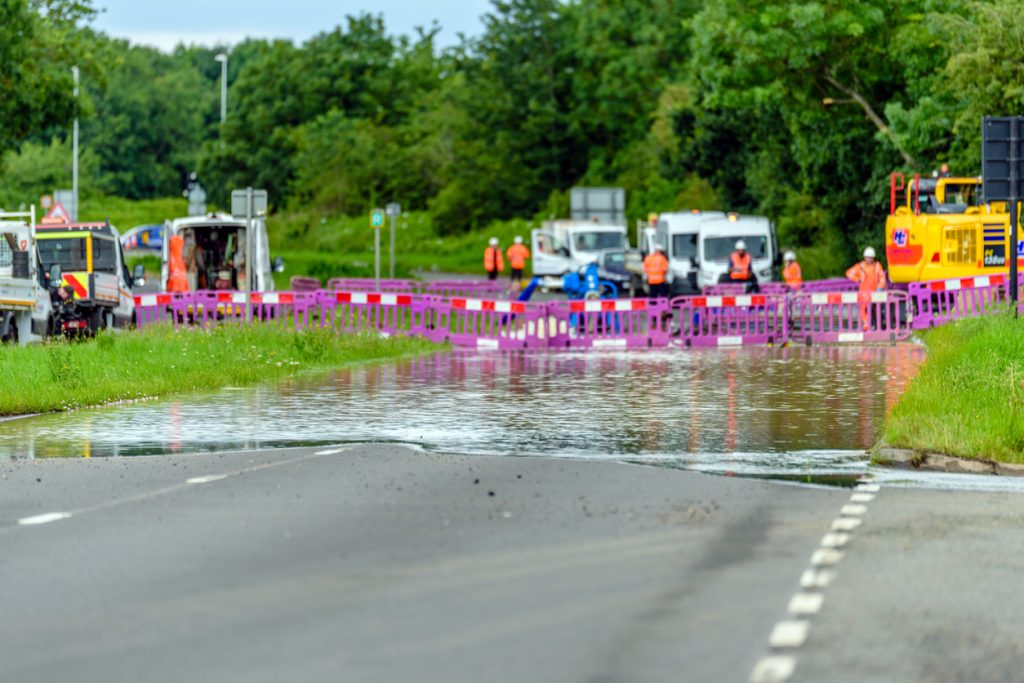
When heavy rainfall causes flooding in Lagos, the first problem is often access. Roads become waterlogged, vehicles are diverted, and communities can be cut off from food, drinking water, medicine and other essential supplies.
Reliable flood relief delivery in Lagos requires more than loading items into a van and driving towards the affected area. Relief teams need to know which roads are passable, what type of vehicle can reach the location, how supplies should be packed and who will receive them at the destination.
For charities, companies, community groups and individuals supporting affected residents, good coordination helps ensure that relief items arrive quickly and safely.
What Flood-Affected Communities Usually Need First
Relief needs vary depending on how severe the flooding is and how long residents have been displaced. In many cases, the most urgent items include:
- Bottled or properly packaged drinking water
- Ready-to-eat food and dry groceries
- Essential medicines and first-aid supplies
- Baby food, diapers and sanitary products
- Blankets, clothing and sleeping materials
- Cleaning supplies and disinfectants
- Rechargeable lamps and power banks
Before sending goods, confirm what the community actually needs. Delivering large quantities of clothing may not help if residents urgently require clean water, medicine or food that can be eaten without cooking.
It is also useful to separate supplies into clearly labelled packages so distribution can begin immediately on arrival.
Lagos Traffic Becomes Harder During Flooding
Rainfall can affect major routes within minutes. Areas such as Lekki, Ajah, Victoria Island, Ikorodu, Agege and parts of the Lagos mainland may experience severe congestion when drainage channels overflow or vehicles break down in flooded sections.
A trip that normally takes one hour can take several hours during heavy rain. Relief deliveries should therefore be scheduled with realistic travel times and alternative routes.
Drivers need updated information about road conditions before leaving. Where necessary, smaller vehicles may be used to move items from a central collection point to streets that larger trucks cannot enter.
Travo.ng can help coordinate vehicles, drivers and delivery routes based on the quantity of relief items and the access conditions around the affected location.
How to Pack Relief Items for Wet Conditions
Poor packaging can ruin supplies before they reach the people who need them. Cartons may weaken when exposed to rain, while loose bags can tear during loading and unloading.
Important items should be packed in:
- Sealed plastic containers
- Strong waterproof bags
- Wrapped cartons placed inside protective covers
- Clearly labelled crates
- Smaller packages that can be carried by hand
Food should be separated from detergents, chemicals and cleaning products. Medicines must also be kept away from heat, moisture and direct sunlight.
Avoid making individual packages too heavy. When roads are blocked, volunteers may need to carry supplies from the vehicle to homes, shelters or community centres.
Choosing the Right Vehicle for the Delivery
The right vehicle depends on the size of the load, the distance and the condition of the roads.
A small van may be suitable for medicine, bottled water or packaged meals. Larger trucks can carry bulk supplies to accessible distribution centres, but they may struggle on narrow or heavily flooded streets.
For locations with difficult access, it may be safer to deliver goods to a nearby church, school, estate gate or community hall where local volunteers can complete the final distribution.
Before dispatch, confirm:
- The exact delivery address
- A nearby landmark
- The recipient’s phone number
- The condition of the access road
- Whether people are available to unload
- The best arrival window
Clear information reduces delays and prevents vehicles from being stranded in unsafe areas.
Common Mistakes That Slow Down Relief Deliveries
One common mistake is waiting until all donations have been collected before arranging transport. This can delay urgent items that should be sent immediately.
Another problem is sending a vehicle without confirming whether the road is open. Drivers may reach a flooded point and have no safe alternative route.
Relief organisers should also avoid sending unverified drivers or leaving valuable supplies unattended. Every delivery should have a named coordinator at the pickup point and a confirmed recipient at the destination.
Photos, item counts and delivery records can help organisations maintain accountability and plan follow-up support.
Book Flood Relief Logistics With Travo.ng
Effective flood relief delivery in Lagos depends on speed, clear communication and practical knowledge of local routes. Relief items must be packed correctly, assigned to suitable vehicles and delivered to locations that can be reached safely.
Travo.ng helps organisations, businesses and individuals arrange courier services, vehicle hire, cargo movement and last-mile delivery support across Lagos. Whether the delivery involves food, medical supplies or emergency household items, proper logistics can help assistance reach affected residents without unnecessary delay.
With organised transport and confirmed delivery points, relief efforts become faster, safer and more useful to the communities receiving support.
