


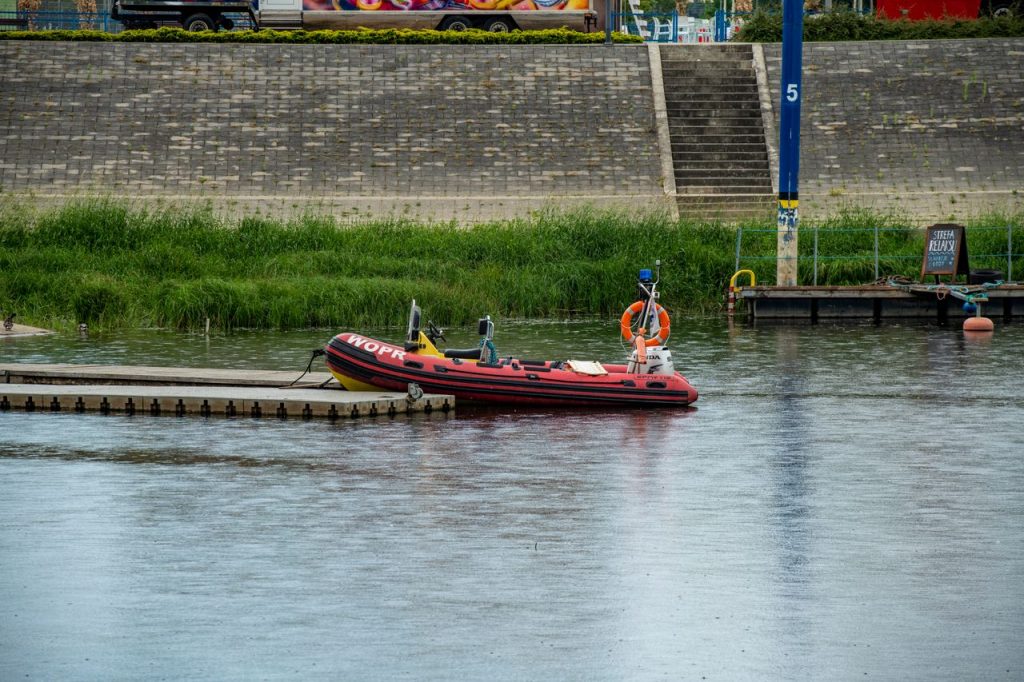
Flooding can turn an ordinary family routine into an emergency within a few hours. Roads may become impassable, electricity can be disconnected, and water may begin entering homes before everyone has time to leave safely.
Reliable family flood evacuation services help households move children, elderly relatives, essential belongings and pets away from danger in an organised manner. The aim is not simply to find any available vehicle. Families need transport that matches the road conditions, enough space for passengers and luggage, and a safe destination confirmed before departure.
Travo.ng can help coordinate emergency transport, vehicle hire, boat movement where necessary, hotel reservations and onward travel during flood emergencies in Nigeria.
Do Not Wait Until the Exit Road Is Blocked
One of the most common evacuation mistakes is waiting until floodwater has already covered the main access road. By that stage, ordinary cars may no longer be suitable, commercial drivers may refuse the trip, and available boats can become difficult to find.
Families living in flood-prone parts of Lekki, Ajah, Ikorodu, Port Harcourt, Yenagoa, Lokoja or communities near major rivers should monitor rainfall and local water levels closely.
Evacuation should be considered early when:
- Water is rising steadily around the compound
- Nearby streets are already becoming difficult to cross
- Authorities advise residents to relocate
- Children, pregnant women or elderly people are in the home
- Electricity has been disconnected for safety
- The family’s only access road regularly floods
Leaving early usually provides more vehicle options and reduces the pressure of moving in unsafe conditions.
Choose Transport Based on the Actual Route
A family evacuation may require more than one type of transport. A minivan or SUV may handle the first part of the journey, while a boat may be needed if floodwater has cut off the road completely.
The right option depends on passenger numbers, luggage, road depth and the distance to the temporary accommodation.
For example, a family leaving a flooded estate in Ajah may need a high-clearance vehicle to reach a dry pickup point before transferring to another car for the trip to Ikeja. In a riverine community in Bayelsa or Rivers State, the journey may begin by boat and continue by road.
Travo.ng can coordinate these separate stages so the family is not left searching for another vehicle after reaching the first transfer point.
What Every Family Should Pack First
During an emergency, families often try to carry too many household items and delay departure. The priority should be people, medical needs and documents.
Pack essential items such as identification documents, medicines, phone chargers, drinking water, baby supplies, a change of clothing and small amounts of food. Important papers should be placed in waterproof bags.
Children should have simple clothing, footwear and one comfort item where possible. Elderly relatives may need mobility aids, prescribed medication and enough support to enter the vehicle safely.
Large furniture, appliances and heavy household items should not delay evacuation. These can be handled later through relocation or recovery logistics when conditions improve.
Confirm the Destination Before Leaving Home
Evacuation is only complete when the family has somewhere safe to stay. Do not begin the journey without confirming whether relatives, hotels, serviced apartments or emergency shelters can receive everyone.
Families should check:
- The exact destination address
- Whether rooms or sleeping spaces are available
- Access to electricity and clean water
- Parking or vehicle access
- Whether pets are permitted
- The expected length of stay
During widespread flooding, hotel rooms in safer districts may fill quickly. Early reservations reduce the risk of arriving late with children and discovering there is no available accommodation.
Travo.ng can support hotel booking and temporary travel arrangements alongside the evacuation transport.
Safety Checks Before the Vehicle Moves
The driver should understand the route and know which roads are already affected. Attempting to drive through deep water because the road appears familiar can be dangerous. Floodwater may hide potholes, open drains or damaged sections of road.
Confirm that the vehicle is not overloaded and that luggage does not block doors or visibility. Children should remain seated, and passengers should avoid opening doors near moving water.
Where boat transport is required, every passenger should wear a life jacket. Boats should not be overloaded with people, suitcases and household goods.
Keep family members informed about the plan, especially if multiple vehicles are being used. Each driver should have the destination, contact numbers and agreed meeting point.
Arrange Family Flood Evacuation With Travo.ng
Professional family flood evacuation services make it easier to move loved ones before conditions become more dangerous. Good planning brings together suitable transport, clear pickup details, safe transfer points and confirmed accommodation.
Travo.ng helps families coordinate emergency vehicle hire, boat transport, hotel reservations, luggage movement and onward travel across Nigeria. Whether the evacuation involves a short move within the same city or relocation to another state, each stage can be planned around the family’s real needs.
Moving early, packing only what matters and confirming the destination can make a stressful emergency safer and more manageable.
