


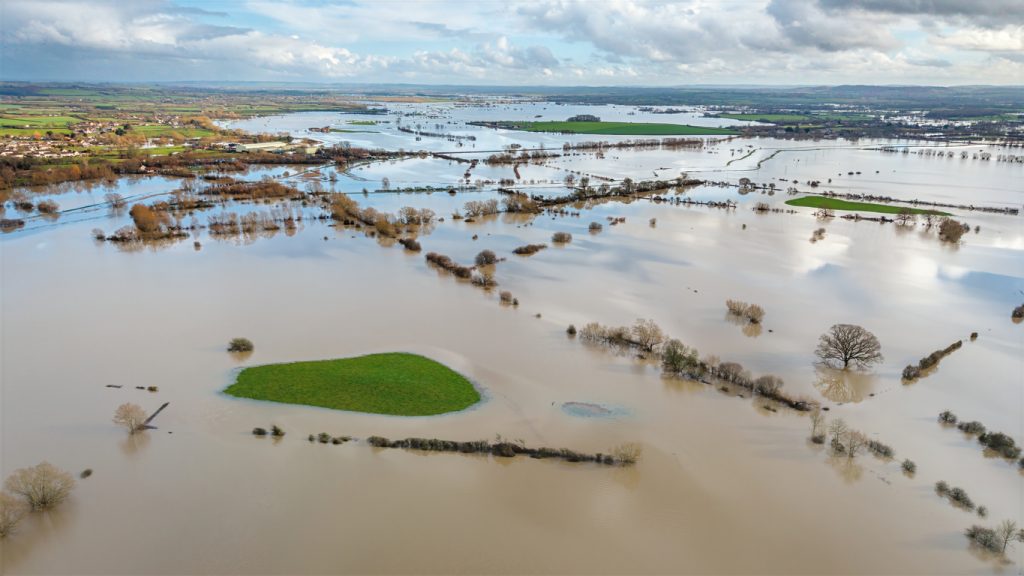
Flooding can turn a residential estate into an emergency zone within a short time. Roads that were passable in the morning may become too deep for cars by afternoon, while power outages, blocked drains and rising water make it difficult for residents to leave safely.
Professional estate flood evacuation in Lagos helps residents, estate managers and facility teams coordinate movement before conditions become dangerous. The aim is not simply to find any available vehicle. A proper evacuation plan must consider water depth, access roads, vulnerable residents, transport capacity and safe drop-off locations.
Travo.ng helps estates arrange coordinated road and water transport when flooding disrupts normal movement.
Do Not Wait Until Vehicles Are Already Trapped
One of the biggest mistakes during flooding is delaying evacuation until cars can no longer move. Once floodwater covers the road surface, drivers may not see potholes, open drains, damaged sections or strong currents.
Estates in Lekki, Ajah, Ikoyi, Victoria Island and other low-lying parts of Lagos may experience rapid water buildup after prolonged rainfall. Even where SUVs are available, driving through deep or moving water can damage engines and place passengers at risk.
Estate managers should begin making transport arrangements as soon as:
- Water enters internal estate roads
- Drainage channels start overflowing
- Nearby access roads become difficult to use
- Continued rainfall is forecast
- Residents with medical needs require early movement
- Electricity or water services are disrupted
Leaving early usually provides more transport options and reduces pressure on residents.
Identify Residents Who Need Priority Assistance
Not every resident can move at the same speed. Children, elderly people, pregnant women, people with disabilities and residents receiving medical care may need additional support.
The estate should maintain an emergency contact list and identify households that may require priority pickup. Where possible, assign volunteers or facility staff to help them reach the designated loading point.
Pets, medicines, identification documents and essential personal items should also be prepared before the vehicle or boat arrives. Waiting until departure time to pack luggage can delay the entire operation.
A small emergency bag should contain:
- Medication
- Phone chargers or power banks
- Identification documents
- Drinking water
- Basic clothing
- Important contact details
- Essential items for children
Large furniture and non-essential possessions should not delay the evacuation of people.
Choose Transport Based on Water and Road Conditions
The right transport method depends on how much of the route remains accessible.
Buses or high-clearance vehicles may be suitable when internal estate roads are wet but still passable. Where water has completely blocked road access, boats may be required to move residents to a nearby jetty or dry pickup point.
In some situations, the evacuation may involve two stages. A boat can move residents out of the flooded estate, while buses or cars continue the journey to a hotel, family home or temporary shelter.
Travo.ng can coordinate boat transport, vehicle hire and onward movement so residents are not stranded after reaching dry ground.
Organise One Clear Pickup Point
Confusion increases when drivers or boat operators are asked to collect residents from multiple buildings without a clear plan.
Where it is safe, the estate should select one or two central pickup points. These locations should be easy to identify, accessible to the transport operator and away from strong water currents or electrical hazards.
Estate security personnel should control movement and confirm which households have left. A simple resident list can help prevent someone from being overlooked.
The evacuation coordinator should provide Travo.ng with:
- The estate name and precise location
- The number of residents
- The number of children and vulnerable passengers
- Current road and water conditions
- The preferred destination
- Available loading points
- Any luggage or special equipment being moved
Photos and videos of the estate entrance can help determine whether road vehicles or boats are more suitable.
Plan Where Residents Will Go Before Departure
Moving people out of the estate is only one part of the process. Residents also need a safe place to stay.
Some may go to relatives, while others may require hotel reservations or temporary accommodation. Large estates may need several destinations, particularly if families have different arrangements.
Confirm addresses and room availability before evacuation begins. This prevents vehicles from moving around Lagos unnecessarily while trying to find accommodation during heavy rain.
Travo.ng can help arrange hotel bookings, airport transfers, vehicle hire and transport to temporary locations when needed.
Coordinate Estate Flood Evacuation With Travo.ng
Successful estate flood evacuation in Lagos depends on early decisions, accurate information and suitable transport. Waiting until floodwater becomes severe can limit safe options and increase costs.
Travo.ng helps estate associations, facility managers and residents organise boat transport, buses, private vehicles, emergency deliveries and temporary travel arrangements. Road and water transport can be coordinated as one journey where flooding makes direct vehicle access impossible.
With a clear resident list, safe pickup points and early communication, an estate can move people more calmly and reduce the risks that come with last-minute evacuation.
