


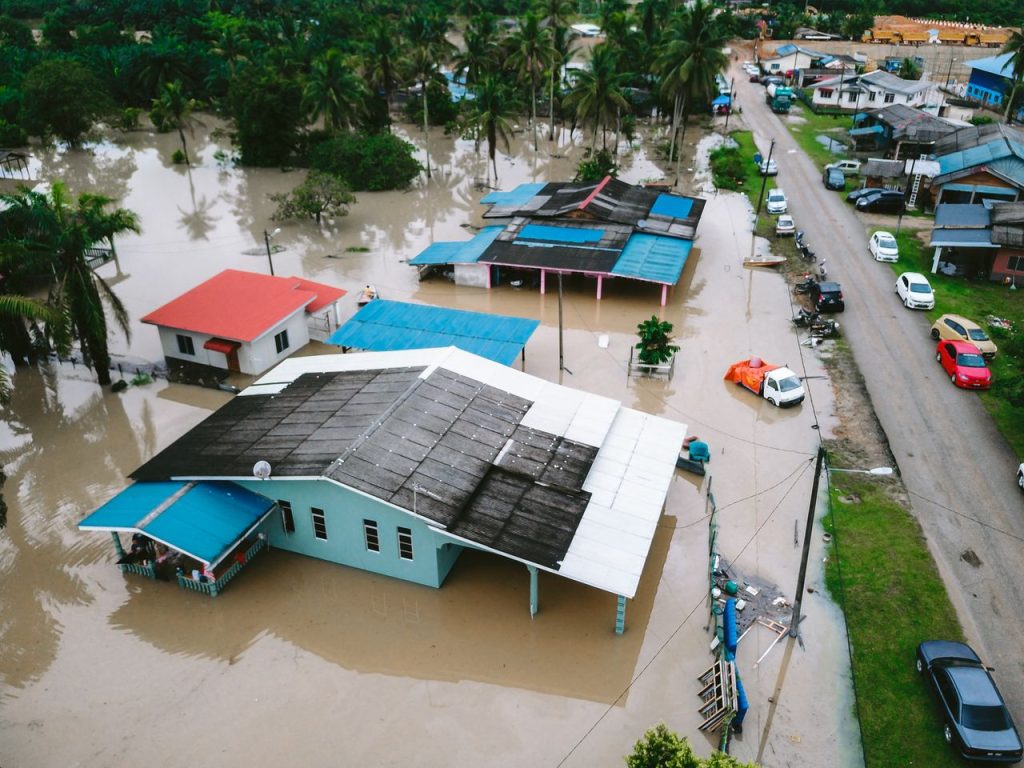
When flooding, medical emergencies or severe weather disrupt normal movement, waterfront communities can quickly become difficult to reach. Roads may be submerged, jetties may become overcrowded and ordinary vehicle services may stop operating altogether.
Reliable emergency transport for waterfront communities helps residents, businesses, relief teams and healthcare providers move people and essential supplies when regular routes are no longer practical. The right arrangement may involve boats, pickup vehicles, cargo handling and onward road transport working together.
In places such as Makoko, Bonny, Nembe and riverine parts of Lagos, Bayelsa, Rivers and Delta states, transport planning must reflect local water conditions rather than treating every journey like a standard road delivery.
When Emergency Water Transport Is Needed
Some communities depend on boats for daily movement, but demand increases sharply during floods, storms and public emergencies.
Emergency transport may be required to move:
- Sick or injured residents to a clinic
- Food, drinking water and medicines
- Relief materials and hygiene supplies
- Schoolchildren or stranded workers
- Fuel, generators and communication equipment
- Business stock from threatened storage areas
- Technical teams repairing essential infrastructure
For example, a clinic in a waterfront settlement may urgently need medicine delivered from Lagos Island. A motorcycle courier can collect the package from a pharmacy, but the final stage may require a boat and a local contact who understands the landing point.
The Journey May Require More Than a Boat
One mistake people make is arranging only the water section of the trip. In reality, emergency movement often involves several connected stages.
A typical journey may require a vehicle to collect supplies from a warehouse, transport them to a jetty, transfer them into a suitable boat and arrange another vehicle or local carrier at the destination.
If any stage is poorly coordinated, the entire delivery may fail. The vehicle could arrive after the boat has departed, cargo may be too heavy for the selected vessel, or the receiving team may not be waiting at the correct landing point.
Travo.ng can help coordinate these stages so that road and water transport work as one planned movement.
What to Provide Before Booking Transport
Accurate information allows the operator to choose the right boat, crew and loading arrangement.
Provide the following details as early as possible:
- Exact pickup and destination points
- Number of passengers
- Type and estimated weight of cargo
- Required arrival time
- Condition of the nearest jetty
- Whether the trip includes elderly people, children or patients
- Contact details for someone at the destination
- Any onward transport required after the boat journey
Videos or photographs of the loading area can also be helpful, particularly where water levels have changed or the normal jetty is inaccessible.
Protecting Emergency Supplies During Movement
Urgent cargo still needs proper packaging. Rain, splashes and rough handling can damage food, documents, medical supplies and electronic equipment.
Medicines and temperature-sensitive items may require insulated containers. Clothing, blankets and packaged food should be sealed in waterproof bags before being placed in cartons or stronger outer packaging.
Heavy supplies should be distributed evenly inside the boat. Loose items can shift during movement and affect balance, particularly when water conditions are rough.
A clear inventory should be prepared before departure so that the receiving team can confirm what arrived.
Safety Must Come Before Speed
An emergency creates pressure to move quickly, but rushing without basic safety checks can make the situation worse.
Every passenger should wear a life jacket. The operator should understand the route, passenger capacity and local water conditions. The boat should have enough fuel, a working engine and a reliable means of communication.
Avoid overloading the vessel simply because several people or organisations are requesting assistance at the same time. Where necessary, organise multiple trips rather than putting passengers and cargo at risk.
Night travel should also be limited unless the operator has suitable lighting, navigation support and strong knowledge of the route.
Planning Around Flooding and Bad Weather
Water levels and currents can change within a few hours. A route that was safe in the morning may become difficult after continued rainfall.
Book transport early and keep the operator informed about changes at the pickup point. During severe flooding, boats may be reassigned to evacuation or medical movements, so non-critical cargo may experience delays.
Businesses and community organisations should identify alternative jetties and emergency contacts before the rainy season. Preparing these details in advance reduces confusion when urgent movement becomes necessary.
Book Emergency Waterfront Transport With Travo.ng
Dependable emergency transport for waterfront communities requires suitable boats, experienced operators and careful coordination between water and road services.
Travo.ng helps individuals, businesses and organisations arrange boat transport, urgent deliveries, vehicle hire and cargo movement across Nigeria. Whether the need involves medical supplies, relief materials, stranded residents or essential business goods, the journey can be planned around the actual conditions on the ground.
With clear information, proper safety measures and connected transport arrangements, waterfront communities can receive critical support even when ordinary routes are disrupted.
