


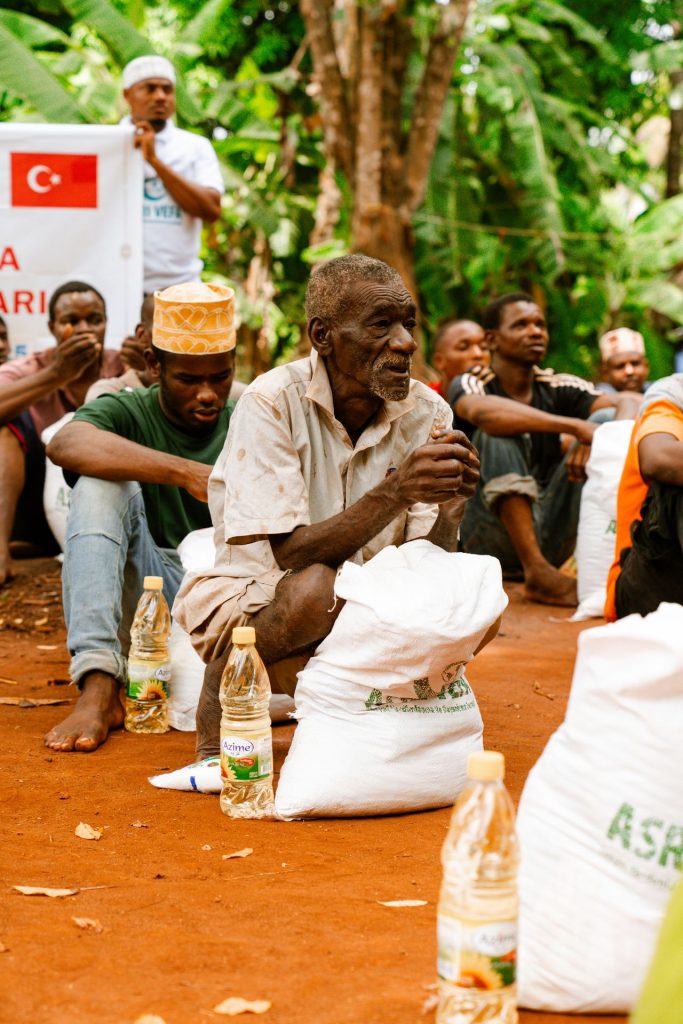
Flooding, fire outbreaks, building collapse, communal displacement and severe storms can leave families and communities without basic supplies. In these situations, sending help is not only about buying food or medical items. The supplies must also reach the affected location quickly, safely and in usable condition.
Reliable disaster supplies delivery in Nigeria helps relief organisations, businesses, community groups and individuals move essential items to people facing urgent hardship. The delivery plan should consider road access, weather conditions, package weight, security and the number of people receiving support.
Travo.ng helps coordinate emergency deliveries, cargo movement and transport arrangements across Nigerian cities and harder-to-reach locations.
What People Usually Need First During an Emergency
The first delivery should focus on items that help people remain safe, hydrated and protected. Sending large quantities of less urgent goods can occupy valuable vehicle space and delay the most important supplies.
Common emergency items include:
- Bottled or packaged drinking water
- Rice, beans, garri and other dry food
- Ready-to-eat meals
- Basic medicines and first-aid supplies
- Blankets, mats and mosquito nets
- Sanitary products and toiletries
- Baby food, nappies and clothing
- Torches, batteries and power banks
- Protective gloves, masks and raincoats
The exact needs will depend on the disaster. Flood victims may require dry clothing and water purification supplies, while people displaced by fire may urgently need temporary shelter materials, food and personal care items.
Before dispatching goods, confirm what is already available at the location so that the delivery does not contain unnecessary duplicates.
Why Road Access Must Be Checked Before Dispatch
A delivery address may still appear accessible on a map even when the road has been blocked by water, debris or emergency activity.
For example, a truck carrying supplies from Lagos to a flooded community in Ogun State may reach the nearest town but struggle to complete the last section of the journey. In riverine parts of Bayelsa or Rivers State, the goods may need to be transferred from a vehicle to a boat.
The transport coordinator should confirm:
- The condition of the main access road
- Whether cars, vans or trucks can enter
- The nearest safe drop-off point
- Whether boat transport is required
- The availability of people to unload
- Any security or movement restrictions
Travo.ng can coordinate different stages of the journey, including road transport, boat movement and final delivery to an agreed collection point.
Packaging Supplies for Rough Conditions
Emergency deliveries often pass through rain, mud, poor roads and crowded loading areas. Weak cartons may tear before the items reach the recipients.
Food should be sealed against moisture and separated from chemicals, fuel or cleaning products. Medicines must be protected from heat, contamination and crushing. Clothing, blankets and documents should be placed in waterproof bags before being packed inside larger containers.
Heavy items such as bottled water should be divided into manageable loads. This makes unloading easier, especially where volunteers must carry supplies from the vehicle to a temporary shelter.
Each package should be clearly labelled. Where several communities or shelters are receiving supplies, include the destination name and quantity on every parcel to prevent confusion.
Delivery Timing Can Affect the Whole Relief Effort
Sending supplies late in the day can create problems when the destination has poor lighting, limited security or no organised unloading team. Daytime delivery is usually safer and makes it easier to verify quantities.
However, some emergencies require immediate movement. Medical items, drinking water and rescue equipment may need to travel overnight.
In such cases, confirm that the driver understands the route and that someone will be available to receive the goods. Share the vehicle details and expected arrival time with the receiving team.
Avoid making unrealistic promises. Heavy rain, damaged roads and traffic around emergency zones can extend normal delivery times.
How Organisations Can Avoid Wasted Deliveries
One common problem during disaster response is poor coordination. Different donors may send the same items while other urgent needs remain unmet.
A simple inventory can help. Record what is being sent, the quantity, the destination and the contact person receiving it. Large deliveries should also have a loading list that can be checked at departure and arrival.
Businesses and charities should appoint one person to communicate with the driver and another person at the destination. This reduces conflicting instructions and missed calls.
It is also useful to take photos of the packed goods before dispatch and obtain confirmation after delivery.
Arrange Disaster Supplies Delivery With Travo.ng
Effective disaster supplies delivery in Nigeria requires speed, clear communication and suitable transport. The right delivery method may involve motorcycles for small urgent parcels, vans for packaged relief items, trucks for bulk supplies or boats for flooded communities.
Travo.ng helps individuals, businesses and relief organisations coordinate emergency courier services, cargo transport, vehicle hire and boat movement where required.
By planning the route, packaging and receiving process together, essential supplies can reach affected people with fewer delays and less waste.
