


Flooding, fire outbreaks, building failures, communal unrest and severe weather can force people to leave their homes with very little notice. When this happens, moving an entire community requires more than sending a few vehicles to the area.
Professional community evacuation services in Nigeria help coordinate people, transport, emergency supplies and temporary destinations in a structured way. The aim is to move residents out of danger without creating confusion, overcrowding or unnecessary delays.
Travo.ng can support emergency movement by arranging suitable vehicles, drivers, cargo transport and travel logistics for affected communities, businesses and organisations.
Evacuation Planning Must Start Before Vehicles Arrive
One of the biggest mistakes during an emergency is waiting until buses arrive before deciding who should leave first or where everyone will go.
A basic evacuation plan should identify:
- The number of residents involved
- The safest available exit routes
- Children, elderly people and residents with disabilities
- Pregnant women or anyone needing medical support
- The location of temporary shelters
- Essential supplies that must travel with the group
- Local contacts who understand the area
For example, evacuating a flood-prone community in Bayelsa may require boats before passengers can transfer to buses on dry land. In parts of Lagos, Ogun or Rivers State, a blocked access road may mean using smaller vehicles to move residents to a central pickup point.
The transport plan must reflect the actual condition of the area.
The Right Vehicle Depends on the Emergency
No single vehicle type is suitable for every evacuation.
Large buses may be useful when roads are open and many residents are moving from one central location. Minibuses can reach narrower streets and may be easier to deploy across several pickup points.
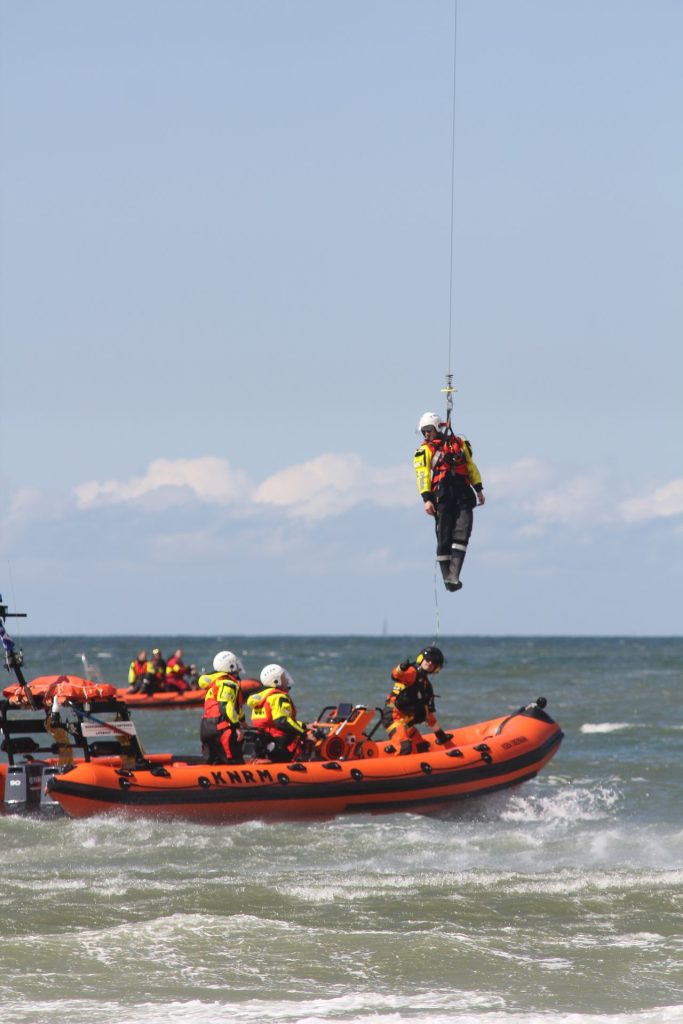
Boats may be required when floodwater has cut off road access. Ambulances or medically equipped vehicles may also be necessary for injured people or residents who cannot sit comfortably in ordinary transport.
Cargo vans and trucks can move mattresses, bottled water, food, clothing and other emergency supplies separately from passengers. Keeping heavy goods out of passenger vehicles reduces overcrowding and improves safety.
Travo.ng can help coordinate different transport options based on the route, terrain and number of people involved.
Who Should Be Moved First
Evacuations should not become a struggle to enter the first available vehicle. Clear priority groups help reduce panic.
Children, elderly residents, people with limited mobility and anyone with an urgent medical condition should usually be moved first. Families should be kept together where possible, especially when children are involved.
Community leaders can assist by preparing household lists and confirming who has already left. This prevents rescue teams from wasting time searching for people who are already safe.
Each vehicle should also have a passenger record showing the destination and a contact person. This is important when residents are being taken to more than one shelter or reception centre.
Moving Emergency Supplies Without Delaying People
Residents may need medication, identification documents, clothing, food and basic household items. However, allowing every family to load large amounts of property can slow the evacuation.
People should carry only essential personal items. Larger supplies can be transported separately after the immediate danger has passed.
Important items should be packed in waterproof bags or secure containers, especially during flood evacuation. Medicines should be labelled, while identity documents and phones should remain with their owners rather than being placed in general luggage.
Relief organisations should also plan how supplies will reach the destination after residents arrive. A shelter without water, sanitation materials or sleeping arrangements can quickly create another emergency.
Communication Prevents Panic and Missed Pickups
Residents need clear information about where to gather, what to bring and when transport will arrive. Messages should be simple and repeated through trusted community representatives.
Drivers and coordinators also need accurate landmarks, road updates and contact numbers. A vague address can cause major delays, particularly in communities with limited street signs.
Where phone networks are unreliable, assign people at key junctions to guide vehicles. Pickup points should be away from collapsing structures, fast-moving water, fire zones or crowds that may block access.
Common Problems During Community Evacuations
Overloading is a serious risk. Drivers should not be pressured to carry more passengers than the vehicle can safely accommodate.
Other common problems include sending unsuitable vehicles, failing to arrange fuel, changing destinations without informing drivers and leaving residents at shelters with no onward support.
Night movement should be avoided where roads are damaged or security cannot be confirmed. When evacuation must happen after dark, vehicles should travel in a coordinated group with reliable communication.
Book Community Evacuation Support With Travo.ng
Reliable community evacuation services in Nigeria require careful planning, suitable transport and constant communication from the danger zone to the final destination.
Travo.ng helps communities, companies, NGOs and emergency coordinators arrange buses, boats, vehicle hire, cargo movement, hotel reservations and other travel support where needed.
By coordinating passenger movement and emergency supplies together, affected residents can be transported more safely, quickly and respectfully during difficult situations.
