


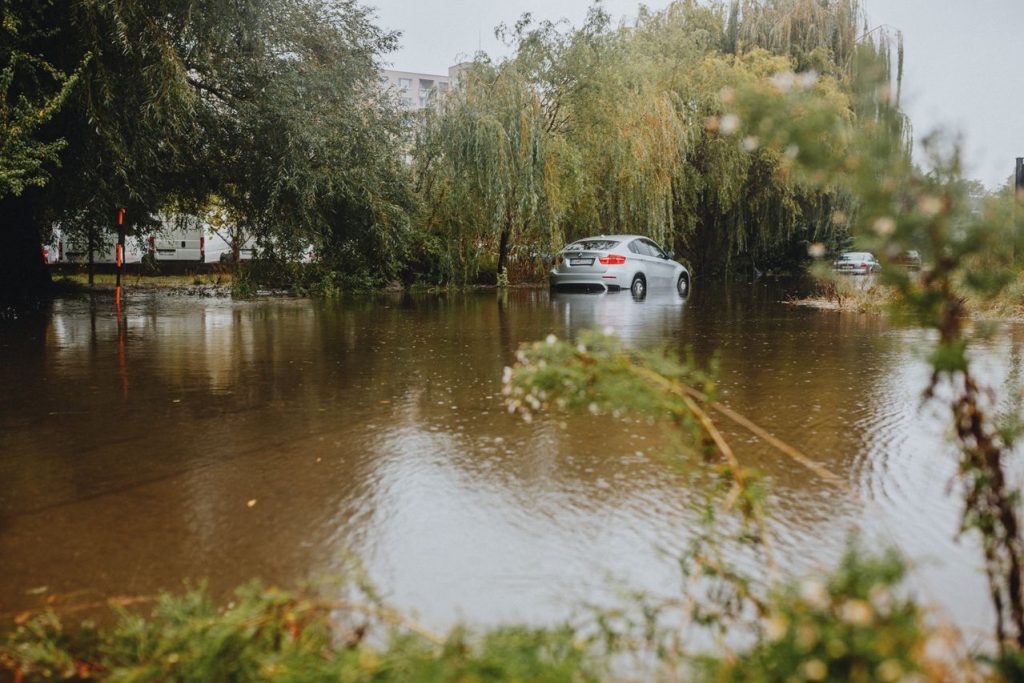
Flooding in coastal and riverine communities can disrupt movement, damage homes and cut residents off from food, medicine and essential services. In places where roads are limited or completely submerged, a normal delivery van or emergency vehicle may not be able to reach the people who need help.
Effective coastal community flood response in Nigeria requires more than sending relief materials to the nearest town. Boats, suitable loading points, experienced local operators and onward transport must be coordinated carefully so that supplies reach the affected community rather than stopping at an inaccessible roadside location.
Travo.ng helps organisations, businesses and individuals arrange practical transport and logistics support for flood-affected areas.
Why Coastal Flood Response Requires Local Planning
Flood conditions vary from one community to another. Some areas are connected by narrow creeks, while others require larger boats that can carry passengers, food supplies or equipment across open water.
Communities in Bayelsa, Rivers, Delta, Lagos and parts of Cross River may experience different access challenges during heavy rainfall, high tides or river overflow. A boat suitable for a short trip around Makoko may not be appropriate for a longer journey through the Niger Delta.
Before transport is arranged, coordinators should confirm:
- The safest water route
- The nearest usable jetty or waterfront
- Current water levels and weather conditions
- The number of passengers or relief workers
- The weight and volume of supplies
- Whether the community has a safe unloading point
- How materials will be distributed after arrival
These details help prevent delays, overloading and failed delivery attempts.
Getting Relief Supplies Beyond the Main Road
One of the biggest problems during flooding is the gap between where trucks can stop and where residents actually live.
A truck may carry bags of rice, bottled water, medical supplies and hygiene products from Lagos or Port Harcourt to a nearby town. However, if the final road is flooded, the materials still need to be transferred into boats.
This transfer stage must be planned in advance. Supplies should be sorted into manageable loads and protected from rain and splashing water. Medicines, documents and electronic equipment should be sealed in waterproof containers.
Travo.ng can coordinate road haulage, boat transport and last-mile delivery so that each stage of the journey connects properly.
Moving Residents During an Evacuation
Evacuation transport should prioritise safety and passenger needs. Children, elderly residents, pregnant women and people with medical conditions may require additional assistance when boarding or leaving a boat.
Every passenger should have a properly fitted life jacket. Boats should not be overloaded, even when demand is high. It may be safer to make several trips than to carry too many people at once.
Organisers should also identify where evacuees will go after reaching dry ground. Buses, vans or cars may be needed to move them from the jetty to shelters, hotels, hospitals or relatives’ homes.
Where accommodation is required, Travo.ng can support hotel reservations and onward transport alongside the water journey.
What Delays Emergency Deliveries
Flood-response operations often face avoidable delays because information is incomplete. A boat operator may receive the name of a community without a precise pickup point, local contact or clear estimate of the cargo weight.
Other common problems include:
- Relief materials arriving after the boat has departed
- Poorly packed cartons becoming wet
- No workers available to unload supplies
- Boats being booked without enough fuel
- Last-minute changes to passenger numbers
- Night travel on unfamiliar waterways
- Lack of phone communication in remote areas
Assigning one contact person at the departure point and another in the receiving community helps keep the operation organised.
Safety Checks Before Any Boat Leaves
Floodwater may contain floating debris, submerged structures and strong currents. Operators must understand the local route and be prepared for changing conditions.
Before departure, confirm that:
- Life jackets are available for everyone
- The boat is suitable for the expected load
- Cargo is secured and balanced
- The engine and fuel supply have been checked
- Phones are charged and protected from water
- Emergency contacts have the route details
- Weather conditions allow safe travel
Daytime movement is preferable where possible because hazards are easier to identify.
Coordinate Flood Response Transport With Travo.ng
Reliable coastal community flood response in Nigeria depends on connecting road transport, boat movement, emergency delivery and passenger evacuation without unnecessary gaps.
Travo.ng helps coordinate boats, cargo vehicles, passenger transport, hotel bookings and last-mile logistics for communities affected by flooding. Support can be arranged for relief organisations, businesses, local groups and families moving essential supplies or people.
With accurate information, suitable vessels and proper safety planning, emergency assistance can reach coastal communities faster and with less risk.
