


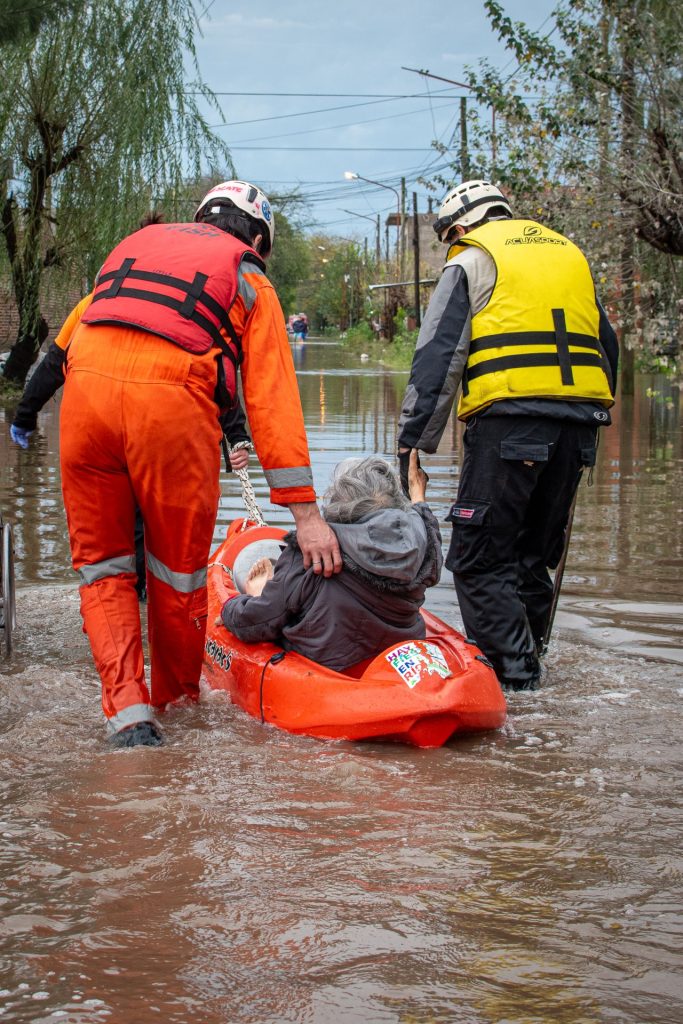
Floodwater can leave a building looking stable from the outside while causing serious damage underneath floors, inside walls and around the foundation. Once the water begins to recede, many property owners rush to clean up and move back in. That can be risky.
An emergency building inspection after flood helps determine whether a home, office, shop, warehouse or construction site is safe to enter and use. The inspection can identify structural movement, electrical hazards, weakened walls and hidden water damage before repairs begin.
In flood-prone parts of Lagos, Port Harcourt, Yenagoa and other Nigerian cities, acting quickly can prevent injuries and reduce the cost of further damage.
Do Not Enter Until the Main Risks Are Checked
The first concern after flooding should be personal safety. Water may weaken floors, hide open drains or carry electrical current from damaged wiring.
Avoid entering the building if you notice:
- Large cracks in walls or columns
- A leaning fence, wall or roof section
- Sagging ceilings
- Doors that no longer open properly
- Exposed electrical cables
- A strong smell of gas or fuel
- Moving water around the foundation
- Unusual sounds from the structure
Where the building has suffered serious flooding, switch off the electricity from a safe point before entry. Do not touch sockets, appliances or distribution boards while standing on a wet floor.
The building inspector, structural engineer or other qualified professional should assess the site before occupants begin removing heavy items.
What the Inspection Team Will Examine
The exact inspection depends on the type of property and the depth of flooding. A bungalow flooded for a few hours may require a different assessment from a multi-storey building surrounded by water for several days.
The inspector may check:
- Foundations and visible ground movement
- Columns, beams and load-bearing walls
- Roof supports and ceilings
- Cracks around windows and door frames
- Floors, staircases and balconies
- Electrical wiring and power systems
- Plumbing, drainage and septic systems
- Water damage inside walls and cupboards
Photographs taken before the cleanup begins can help document the condition of the property. This may also be useful for insurance, tenancy disputes or repair planning.
Access Problems Can Delay the Inspection
Arranging an expert is only part of the job. In many flooded neighbourhoods, the inspection team may struggle to reach the property.
Roads around Lekki, Ajah, Ikorodu or parts of Port Harcourt may be blocked by deep water, broken-down vehicles or damaged drainage systems. Rural properties and construction sites can become completely inaccessible to ordinary cars.
Before the team leaves, provide:
- Recent photos or videos of the route
- The nearest accessible landmark
- An estimate of the water depth
- Details of alternative entrances
- The number of people travelling
- Information about equipment being carried
A high-clearance vehicle may be needed where the road is still passable. Where road access has completely failed, the team may need boat transport for the final section.
Travo.ng can help coordinate vehicle hire, boat movement, equipment delivery and accommodation where inspectors must travel from another city.
Do Not Start Major Repairs Too Early
Property owners often begin breaking walls, removing floors or replacing damaged materials before the inspection is complete. This can hide important signs of structural movement.
Start with basic safety measures such as preventing unauthorised entry and removing standing water only when it is safe to do so. Major repairs should follow a clear assessment and written recommendation.
Keep damaged materials where practical until they have been documented. If water reached electrical sockets, appliances, generators or machinery, arrange separate electrical or technical checks before reconnecting them.
A building may also require follow-up inspections after drying because some cracks and settlement problems become more visible later.
Information to Share When Booking the Inspection
Clear information helps the inspector prepare properly and bring the right equipment.
Provide the property type, location, number of floors, approximate flood depth and how long the water remained inside. Mention any visible cracks, collapsed sections or previous structural problems.
You should also explain whether people are trapped, whether the property contains dangerous materials and whether nearby buildings have suffered similar damage.
For business premises, include details about stored goods, machinery or restricted areas. This allows the inspection and logistics teams to plan access without creating additional risk.
Coordinate an Emergency Inspection With Travo.ng
A timely emergency building inspection after flood gives property owners reliable information before they re-enter, clean or begin repairs. It can identify immediate dangers and help determine what professional work is needed next.
Travo.ng supports urgent site visits by arranging transport coordination, vehicle hire, boat access, equipment delivery and accommodation across Nigeria. These services are especially useful when inspectors must reach flooded estates, rural communities, warehouses or construction locations with difficult access.
By coordinating the inspection and movement requirements early, property owners can reduce delays and begin recovery with a clearer understanding of the building’s condition.
