


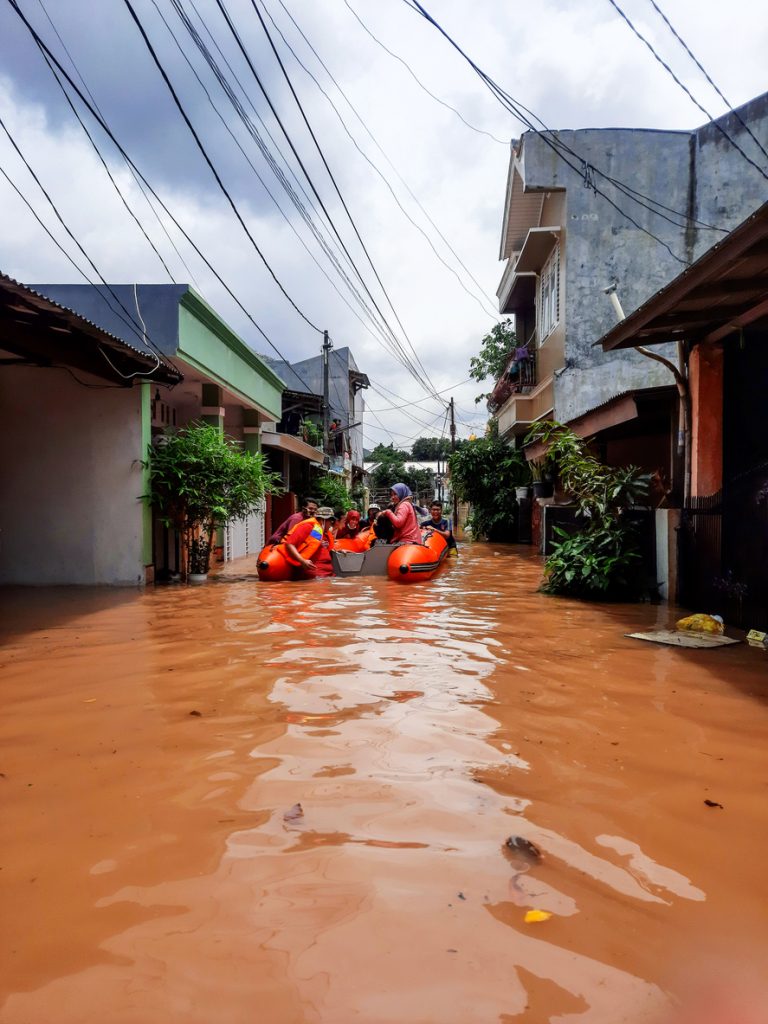
When flooding affects communities in Anambra, getting relief materials to the right place can become more difficult than buying the supplies themselves. Roads may be submerged, vehicles may have to change routes, and some communities can become harder to reach within a normal delivery window.
A reliable Anambra flood relief delivery plan needs more than a driver and a loaded vehicle. It requires route planning, proper packing, local coordination, realistic timing, and a clear handover process at the destination.
For charities, churches, companies, community groups, and individuals sending support, good logistics can make the difference between supplies arriving when they are needed and sitting in transit for hours.
Confirm the Community Before Loading the Vehicle
Flood response works better when the exact destination is confirmed before dispatch.
In Anambra, affected areas can include communities around riverine and low-lying parts of the state, particularly during periods of heavy rainfall and rising water levels. A delivery labelled simply “Anambra” is not detailed enough.
Before the vehicle moves, confirm:
- Town and community name
- Closest accessible landmark
- Contact person at the destination
- Current road condition
- Safe drop-off or transfer point
- Number of households or people being supported
If the final location cannot be reached by road, supplies may need to be handed over at an agreed collection point for onward movement.
Pack Relief Supplies for Difficult Road Conditions
Relief goods are often moved in bulk, but packing everything into oversized cartons can make distribution harder.
Food items such as rice, noodles, garri, canned products, and cooking supplies should be packed securely and protected from water. Drinking water, hygiene products, clothing, blankets, and medical supplies should be separated so volunteers can distribute them quickly.
Where possible, create smaller household-sized packages before dispatch. This reduces sorting time when the vehicle arrives.
Medicines and sensitive items should also be clearly separated from general cargo and handled according to their storage requirements.
Plan for Delays Around Flood-Affected Routes
Normal driving times are not reliable during a flood emergency.
A route that usually takes two hours can take considerably longer if drivers have to avoid damaged roads, heavy traffic, or waterlogged sections. Vehicles may also need to stop before entering areas considered unsafe.
For Anambra flood relief delivery, coordinators should avoid promising an exact arrival time until the driver has confirmed the accessible route.
It is also wise to dispatch earlier in the day. Daylight makes it easier to assess road conditions, locate alternative routes, communicate with local contacts, and complete unloading safely.
Choose the Right Vehicle for the Load
A small car may be suitable for a few cartons of medicines or emergency supplies, but large-scale relief usually requires a van, bus, pickup, or truck.
Vehicle selection should consider both cargo volume and road accessibility.
For example, sending several tonnes of food in one large truck may appear cheaper than using smaller vehicles. However, if the truck cannot reach the final community because of road conditions, the cargo may require additional transfer arrangements.
Travo.ng can help coordinate vehicle hire, cargo movement, and delivery logistics based on the size of the relief shipment and its destination.
Keep Someone Responsible for the Final Handover
One common problem during emergency deliveries is reaching a destination without knowing who should receive the goods.
Before dispatch, assign a named receiver and keep their phone number with both the driver and logistics coordinator.
The receiving person should confirm:
- That the delivery point is still accessible
- That volunteers are available to unload
- That there is a secure place for the supplies
- That the quantity received matches the dispatch record
For large donations, keeping a simple loading and handover record also makes accountability easier for organisations and donors.
Coordinating Anambra Flood Relief Delivery With Travo.ng
Flood relief logistics can involve several moving parts at once. Supplies may need to be collected from different donors, consolidated at one location, transported interstate, and delivered to a designated distribution centre or community.
Travo.ng can support this process through cargo logistics, delivery services, vehicle hire, courier coordination, and business logistics support.
For organisations sending supplies from Lagos, Abuja, Onitsha, Awka, or neighbouring states, transport can be planned around cargo size, destination accessibility, and required delivery timing.
The priority should always be practical movement rather than simply dispatching a vehicle quickly.
With a properly organised Anambra flood relief delivery, food, water, medical supplies, clothing, and other essential materials have a better chance of reaching affected people safely and efficiently. Good preparation before departure reduces delays, prevents confusion at the destination, and helps relief teams focus on the people who actually need support.
