


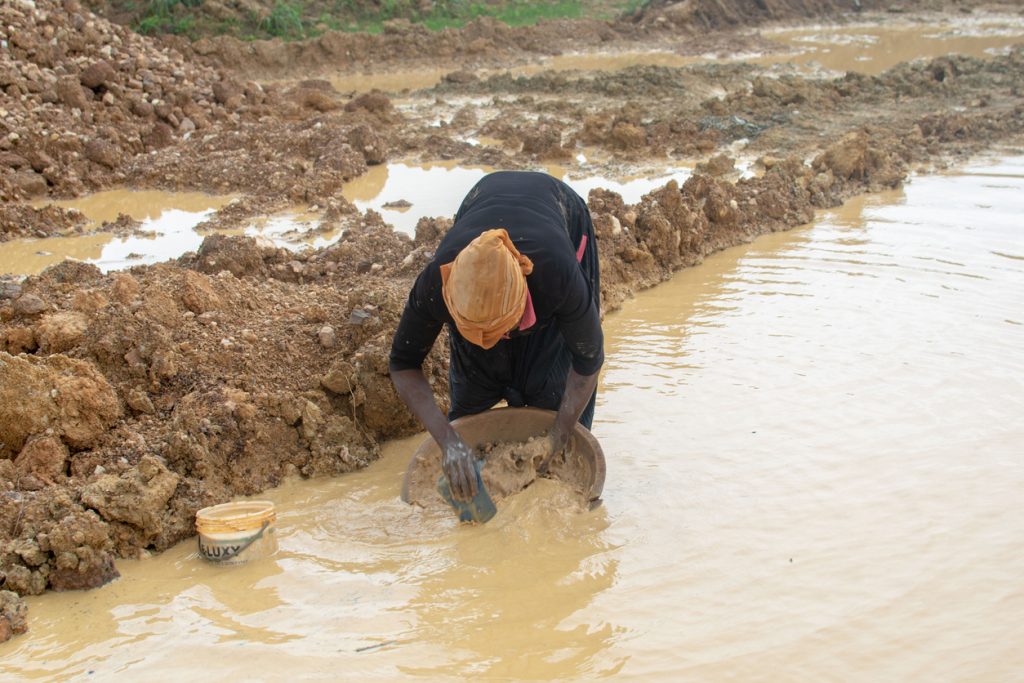
Trying to detect minerals underground in Nigeria is not something you handle casually. Whether you are working around Nasarawa, Plateau, Kaduna, Ogun, Ebonyi, or parts of the North where solid mineral activity is common, the real work starts long before any equipment touches the ground.
Many people focus only on the survey machine or the geologist, but field logistics can make or break the entire exercise. You need the right team, safe transport, access to the site, equipment handling, accommodation, and sometimes cargo movement across bad roads or remote communities.
That is where proper planning matters.
What People Usually Mean When They Want to Detect Minerals Underground
Most people searching for how to detect minerals underground are usually trying to confirm if a piece of land has commercial mineral potential. This may involve checking for gold, lithium, tin, limestone, coal, gemstones, lead, zinc, or other solid minerals.
In practical terms, this process may include:
- Geological inspection of the area
- Soil and rock sampling
- Geophysical survey
- Magnetometer or resistivity testing
- Drilling support where needed
- Lab testing of collected samples
The exact method depends on the mineral type, land size, terrain, and budget.
Why Site Access Is Often the First Problem
In many Nigerian locations, the issue is not only detecting what is underground. It is getting the team and equipment to the location safely.
Some mineral sites are far from major roads. A survey team going from Lagos to Nasarawa, Abuja to Kaduna, or Port Harcourt to Ebonyi may need:
- Interstate transport
- Pickup vehicles for rough roads
- Equipment delivery
- Hotel booking near the field location
- Local movement coordination
- Return logistics for samples and tools
A small delay in transport can waste a full day of fieldwork, especially when daylight is limited or the site is far from town.
What It Can Cost to Organise a Mineral Survey Trip
Costs vary widely, but a basic field visit may include transport, accommodation, feeding, local guide support, equipment movement, and professional survey fees.
For example, moving a small team from Abuja to a site in Nasarawa may cost less than sending a team from Lagos with equipment. If cargo or delicate survey tools must be transported separately, the budget increases.
This is why many businesses, landowners, and mining consultants prefer to coordinate transport and logistics early instead of waiting until the survey date.
Common Mistakes People Make Before a Site Survey
A lot of mineral exploration trips fail because of poor preparation, not because the land has no value.
Common mistakes include:
- Booking transport too late
- Using vehicles that cannot handle rough access roads
- Forgetting accommodation for field staff
- Moving sensitive equipment without proper handling
- Not confirming local access permissions
- Underestimating travel time between cities and rural sites
If your team is travelling during rainy season, poor roads can add several hours to the journey.
How Travo.ng Can Support Mineral Exploration Logistics
Travo.ng does not replace qualified geologists or licensed mineral survey experts. But if your goal is to detect minerals underground, you still need reliable travel and logistics support around the fieldwork.
Travo.ng can help with:
- Vehicle hire for survey teams
- Interstate transport coordination
- Hotel reservations near project locations
- Airport pickup for consultants flying into Abuja, Lagos, Enugu, or Port Harcourt
- Courier services for documents and samples
- Cargo logistics for field equipment
- Relocation support for temporary project teams
This is especially useful when your survey team is coming from different locations or when equipment needs to arrive before the field officers.
Planning a Smooth Mineral Survey Movement
Before sending a team to site, prepare a simple movement plan. Include the departure city, destination town, number of people, equipment size, hotel needs, expected field duration, and return schedule.
For example, a consultant flying into Abuja may need airport pickup, one night hotel reservation, SUV transport to Nasarawa, and courier support for documents after the survey. A Lagos-based company may need cargo movement for equipment before the technical team travels.
When everything is arranged properly, the professionals can focus on the actual mineral detection work instead of struggling with transport, delays, and accommodation issues.
A Practical Way to Start
If you want to detect minerals underground, start by speaking with a qualified mineral survey professional. Once the technical side is clear, Travo.ng can support the movement, bookings, delivery, cargo, and transport coordination needed to make the fieldwork easier.
Good logistics will not tell you what mineral is underground, but it can help your team get there prepared, on time, and with the right equipment.
