


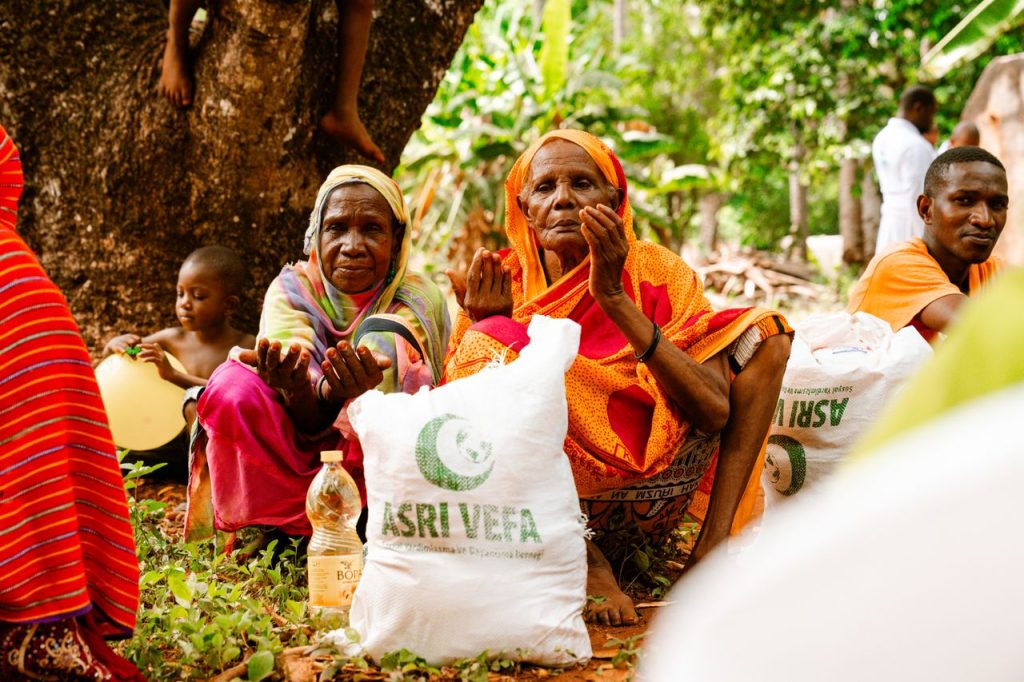
When an emergency affects a Lagos community, collecting relief items is only the first step. Food, water, medicine, clothing and hygiene supplies still need to reach the people who need them, often within a limited time.
Reliable humanitarian aid delivery in Lagos requires careful planning because traffic, flooding, restricted access and poor address information can delay even well-funded relief efforts. A truck filled with supplies is not useful if it arrives after a distribution centre has closed or cannot enter the affected area.
Travo.ng helps organisations, charities, businesses and community groups coordinate the transport and delivery of emergency supplies across Lagos.
The Delivery Plan Should Start Before Items Are Packed
Many relief teams begin by buying supplies and only think about transportation when everything is ready. This can create problems if the vehicle is too small, the goods are badly arranged or the destination requires a different delivery method.
Before loading starts, confirm the number of cartons, estimated weight, pickup location and final distribution point. The transport provider should also know whether the goods include medicine, bottled water, mattresses, cooked food or fragile items.
A delivery from Ikeja to a centre in Ajah may require a van for small packaged goods, while a larger movement of rice, water and bedding may need a truck. Where access roads are flooded or narrow, smaller vehicles or boats may be needed for the final stage.
Traffic Can Affect Emergency Deliveries More Than Distance
In Lagos, a short distance does not always mean a quick journey. A relief vehicle travelling from Yaba to Lekki may face serious delays around Victoria Island or the Lekki-Epe corridor.
The departure time should be planned around traffic conditions and the receiving team’s schedule. Early-morning movement may be more practical for bulky supplies, especially when the route passes through busy areas such as Oshodi, Apapa, Mile 2 or Lagos Island.
The driver should also receive an alternative route where possible. Road closures, accidents and heavy rainfall can quickly change the planned journey.
For urgent humanitarian aid delivery in Lagos, the receiving team should be informed when the vehicle departs and again when it is close to the distribution point.
How Relief Items Should Be Packed for Transport
Emergency supplies are often handled several times before they reach beneficiaries. Poor packaging can lead to torn bags, contaminated food or damaged medicine.
Dry food items should be packed in strong, sealed bags or cartons. Bottled water should be stacked carefully to prevent crushing and leakage. Clothing should be separated from food, fuel and cleaning chemicals.
Medical supplies require extra attention. They should be clearly labelled and protected from heat, moisture and heavy items. Products that need refrigeration must remain within the required temperature range throughout the journey.
Each package should show its contents and destination. Clear labelling makes unloading faster and helps distribution teams avoid opening every carton to identify what is inside.
Reaching Communities With Difficult Access
Not every relief destination has a clear road or organised loading area. Informal settlements, waterfront communities and flood-affected neighbourhoods may require extra planning.
A large truck may deliver supplies to a temporary holding point, while smaller vans, motorcycles or boats complete the final movement. This type of arrangement is useful when serving areas around Makoko, riverine parts of Lagos or locations where floodwater has blocked normal road access.
Travo.ng can help coordinate different transport options for one delivery, including vehicle hire, boat transport, last-mile movement and temporary storage where necessary.
Information the Delivery Team Needs
Accurate information reduces wasted time and failed delivery attempts. Provide:
- The full pickup and delivery addresses
- Contact details for the sender and receiver
- The type and quantity of relief items
- The required arrival time
- Vehicle access information
- Loading and unloading support available
- Any security or crowd-control arrangements
Where a large public distribution is planned, it is also important to confirm whether local officials, community leaders or security personnel will be present. The driver should not arrive at an unmanaged crowd without clear instructions.
Common Problems That Disrupt Aid Distribution
One common mistake is overloading the vehicle to reduce the number of trips. This can make the vehicle unsafe and increase the risk of breakdown.
Another issue is sending supplies without confirming that volunteers are available to unload them. Drivers may be forced to wait for hours, particularly when the receiving centre is still being prepared.
Teams should also avoid changing the destination after the vehicle has departed without informing the transport coordinator. A last-minute route change can affect fuel, travel time and vehicle suitability.
Coordinate Humanitarian Deliveries With Travo.ng
Effective humanitarian aid delivery in Lagos depends on more than moving goods from one address to another. It requires suitable vehicles, clear communication, secure packaging and realistic planning around traffic and access conditions.
Travo.ng supports charities, businesses, community groups and relief organisations with cargo transport, courier delivery, vehicle hire, boat movement and last-mile logistics across Lagos.
By coordinating the full journey properly, relief supplies can reach affected people faster, in better condition and with fewer avoidable disruptions.
