


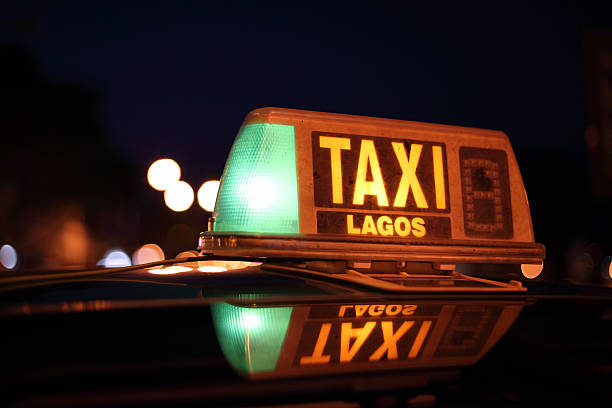
Taxi fares in Lagos are not fixed like a bus ticket. They change depending on distance, traffic, time of day, and even the area you are traveling from. That is why two people can take the same route and still pay different amounts depending on when and how they book.
Understanding taxi fares in Lagos helps you avoid overpaying, plan your movement better, and choose the right time to travel—especially if you move often between the mainland and the island.
Why Taxi Fares in Lagos Change So Often
Lagos transport pricing is influenced by real-time conditions, not a standard meter system.
Common reasons include:
- Traffic congestion on major routes like Third Mainland Bridge and Lekki Expressway
- Peak hours (morning and evening rush)
- Distance between pickup and destination
- Fuel price fluctuations
- Weather conditions such as heavy rain
- High-demand zones like Victoria Island, Lekki, and Ikeja
Because of this, fares are flexible and often dynamic.
Typical Taxi Fare Patterns Across Lagos Routes
While exact prices vary daily, these are the usual patterns based on common movement:
Mainland Short Trips (Ikeja, Yaba, Surulere)
- Generally more affordable
- Short distances within neighborhoods
- Prices increase during rush hours
Mainland to Island Trips
- Higher fares due to bridge crossings
- Common routes: Ikeja → Victoria Island, Surulere → Lekki
- Traffic can significantly increase total cost
Island Internal Trips (VI, Ikoyi, Lekki Phase 1)
- Moderate to high fares depending on distance
- Short trips can still cost more due to demand
Lekki Axis Long Trips (Ajah to VI or Ikeja)
- Higher fares due to distance and traffic exposure
- Expressway congestion affects pricing
Airport Trips (Murtala Muhammed Airport)
- Usually higher due to distance and timing requirements
- Early morning or late-night trips may cost more
Factors That Affect Taxi Prices in Real Time
1. Time of Day
Morning and evening rush hours are usually more expensive.
2. Traffic Conditions
Heavy congestion increases both time and fare.
3. Location Demand
Areas like Lekki, Victoria Island, and Airport Road often have higher pricing.
4. Weather
Rain often leads to higher demand and slower movement.
5. Trip Distance
Longer routes naturally cost more.
How to Manage Taxi Costs in Lagos
1. Avoid Peak Hours When Possible
Midday trips are often cheaper and faster.
2. Move to Main Roads for Pickup
This reduces waiting time and can improve fare options.
3. Compare Ride Options
Different services may show different pricing for the same route.
4. Plan Airport Trips Early
Booking ahead helps avoid urgent surge pricing.
5. Consider Shared Travel for Short Trips
Where available, it reduces overall cost.
Common High-Fare Routes in Lagos
- Lekki to Victoria Island during rush hour
- Surulere to Ikoyi during morning traffic
- Ikeja to Lekki via Third Mainland Bridge
- Ajah to Island during evening peak hours
- Airport Road to Lekki or VI during late-night arrivals
These routes are often affected by congestion and demand.
Why Lagos Taxi Fares Feel Unpredictable
Unlike cities with fixed-meter taxis, Lagos pricing is flexible because:
- Traffic time matters as much as distance
- Driver availability changes quickly
- Fuel costs influence pricing decisions
- Demand fluctuates by time and location
This makes real-time pricing more common than fixed fares.
How Travo.ng Supports Transparent Taxi Movement in Lagos
Travo.ng helps coordinate structured taxi services across Lagos to make pricing and movement more predictable for users.
Depending on the need, services include:
- Route-based taxi coordination across Lagos mainland and island
- Airport transfer support with planned scheduling
- Affordable ride options based on timing and location
- Business and daily commute transport support
- Emergency ride coordination when availability is low
- Coverage across Ikeja, Lekki, Victoria Island, Surulere, and more
- Mobility planning to reduce unnecessary delays and extra cost
The goal is to help passengers move smarter, not just faster.
Moving Around Lagos Without Overpaying
Taxi fares in Lagos are shaped by timing, traffic, and location—but with the right planning, users can significantly reduce daily transport costs. Understanding how pricing works helps passengers make better decisions and avoid unnecessary expenses.
With structured mobility support through Travo.ng, passengers can move across Lagos with better control, improved reliability, and smarter cost planning.
