


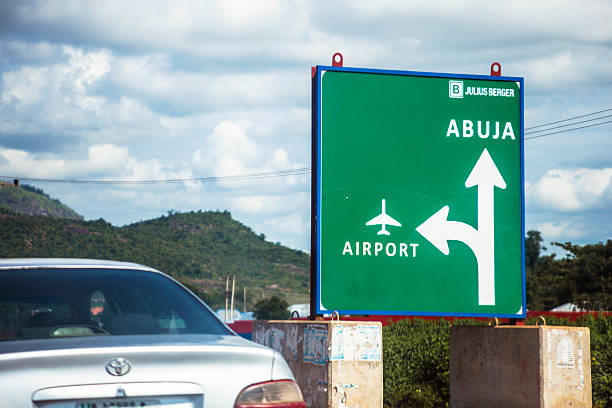
Road signs help drivers understand what is happening on the road and what they are expected to do. They can warn about hazards, control traffic, provide directions or communicate restrictions.
For learner drivers preparing for a driving theory test, understanding road signs is one of the most important parts of learning how to drive safely in Nigeria.
Main Types of Road Signs
Road signs can generally be understood according to the purpose they serve.
Warning signs alert drivers to potential hazards ahead. These may indicate bends, junctions, pedestrians, road works or other situations requiring extra attention.
Regulatory signs tell road users what they must or must not do. Examples include stop, no-entry, speed restrictions and parking restrictions.
Information and direction signs help drivers find destinations, roads, facilities and other important locations.
Understanding the meaning of a sign is more important than simply memorising its shape.
Common Road Signs Drivers Should Know
Some signs that learners should be familiar with include:
- Stop
- Give way
- No entry
- No overtaking
- Speed limit
- No parking
- Pedestrian crossing
- Road works
- School or children crossing
- Roundabout
- Sharp bend
- Traffic signals
- One-way traffic
Pay attention to additional plates or markings that may provide further instructions.
Why Road Signs Matter in Nigeria
Road conditions can change quickly, particularly on busy routes in Lagos, Abuja, Port Harcourt, Kano and other major cities.
Road works, temporary diversions, lane closures and changing traffic arrangements can make familiar roads look different. Drivers should therefore pay attention to signs instead of relying entirely on memory of a route.
Road Signs and Driving Theory Tests
Road signs are commonly tested when learning to drive. A question may show a sign and ask what it means or what action a driver should take.
When studying, don’t only memorise the name of each sign. Practise connecting the sign with the correct driving response.
For example, seeing a warning sign should make you think about reducing speed and preparing for the hazard ahead.
Temporary Road Signs
Temporary signs are particularly important around road construction, repairs and traffic diversions.
You may encounter cones, temporary signs, barriers and changed lane arrangements. These temporary instructions should be followed even if the normal road layout is different.
Contraflow systems are another example where temporary traffic arrangements can change the normal direction or use of lanes.
Mistakes Drivers Make With Road Signs
A common mistake is noticing a sign but failing to act on it early enough. Another is ignoring temporary signs because the driver regularly uses the same road.
Speeding through a warning area, ignoring a no-entry sign or failing to observe a temporary diversion can create unnecessary risks.
Give yourself enough time to read and respond to signs, especially when driving in an unfamiliar area.
How Travo.ng Can Support Your Journey
Understanding road signs helps drivers navigate Nigerian roads more safely, but route planning and transportation arrangements also matter.
Travo.ng can support relevant travel and logistics needs through services such as vehicle hire, airport pickups, transport coordination and delivery support. For businesses moving people or goods between cities, organised transportation can also help manage journeys more efficiently.
