


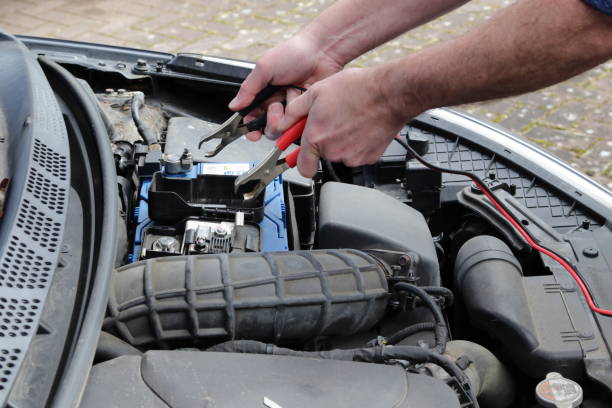
A car mechanic is a trained professional who repairs, services, and maintains vehicles to keep them in safe and working condition. Mechanics handle everything from simple oil changes to complex engine and transmission repairs.
In Nigeria, mechanics are essential due to heavy traffic, rough roads, and high vehicle usage, especially for private drivers and logistics fleets.
What a Car Mechanic Does
A mechanic can work on:
- Engine repairs and diagnostics
- Brake system servicing
- Electrical faults (battery, wiring, lights)
- Suspension and steering repairs
- Gearbox and clutch repairs
- Oil change and routine servicing
- AC (air conditioning) repairs
- Tyre and wheel-related issues
Types of Car Mechanics
1. General Auto Mechanic
- Handles basic repairs and maintenance
- Common in roadside workshops
2. Engine Specialist
- Focuses on engine rebuilding and diagnostics
- Works on major engine faults
3. Electrical Auto Technician
- Repairs wiring, sensors, batteries, and ECU systems
4. Transmission Specialist
- Works on gearboxes and clutch systems
5. AC Technician
- Handles air conditioning repairs and regas
6. Mobile Mechanic
- Comes to your location
- Popular for breakdown emergencies
When You Need a Car Mechanic
You should visit a mechanic if:
- Engine warning light appears
- Car won’t start or keeps stalling
- Strange noises from engine or wheels
- Brake performance reduces
- Car vibrates while driving
- Fuel consumption suddenly increases
Cost of Car Mechanic Services in Nigeria (2026)
Basic Services
- Oil change: ₦15,000 – ₦40,000
- Diagnostics check: ₦5,000 – ₦20,000
Medium Repairs
- Brake replacement: ₦30,000 – ₦120,000
- Suspension repair: ₦50,000 – ₦200,000
Major Repairs
- Engine overhaul: ₦200,000 – ₦800,000+
- Gearbox repair: ₦150,000 – ₦600,000+
Where Car Mechanics Work in Nigeria
- Roadside workshops (very common)
- Organized mechanic garages
- Dealership service centers
- Fleet maintenance depots
- Mobile repair services
Signs of a Good Car Mechanic
- Clear diagnosis before repair
- Transparent pricing
- Uses quality spare parts
- Gives warranty on repairs
- Good reputation or referrals
- Proper tools and equipment
Risks of Bad Mechanics
- Overcharging or fake faults
- Poor-quality spare parts
- Temporary fixes instead of real solutions
- Engine damage from wrong repairs
- Vehicle breakdown shortly after service
Importance of Mechanics for Logistics & Fleet Vehicles
For transport and logistics companies, mechanics are critical because:
- Vehicles must stay operational daily
- Prevents delivery delays
- Reduces downtime and repair costs
- Ensures safety of drivers and cargo
- Supports preventive maintenance schedules
Many fleets work with dedicated mechanics or service contracts.
How to Choose a Reliable Mechanic
- Check reviews or recommendations
- Start with small repairs first
- Avoid unclear pricing agreements
- Prefer certified workshops if available
- Ensure proper diagnosis before repair
Conclusion
A car mechanic plays a vital role in keeping vehicles safe, efficient, and roadworthy. In Nigeria, mechanics are especially important for maintaining private cars and commercial fleets operating under tough road and traffic conditions.
