


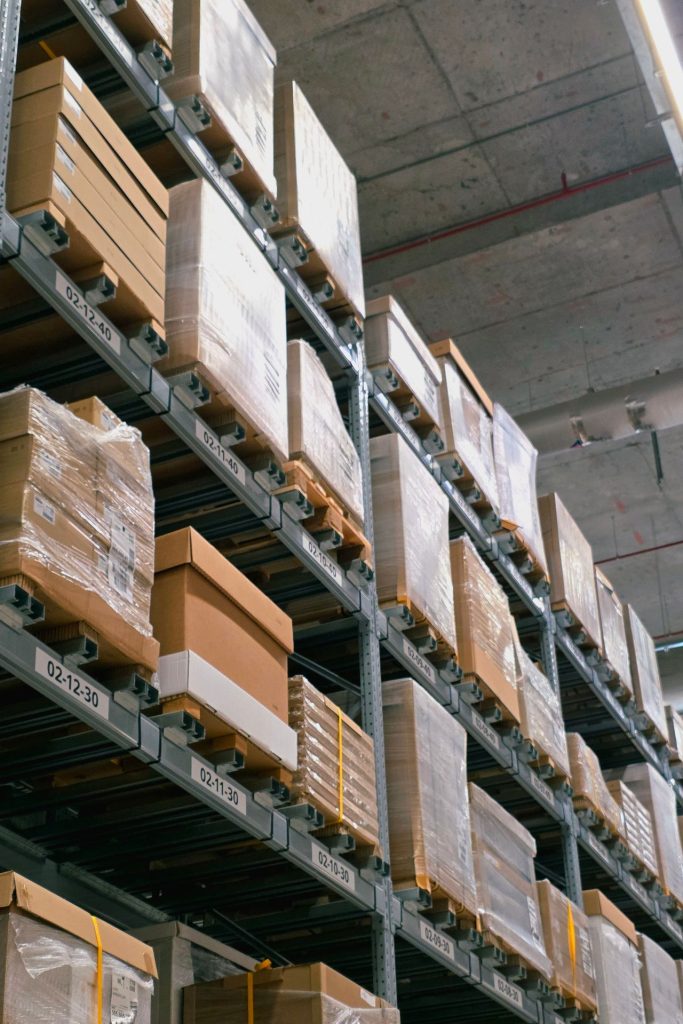
Running deliveries across Lagos can become expensive very quickly when goods are stored too far from customers. Traffic around Apapa, Oshodi, Ikeja, Yaba, Victoria Island, Lekki and the mainland can turn what looks like a short delivery into several hours on the road.
An Urban distribution center Lagos businesses can use gives companies a practical way to keep goods closer to customers, organise dispatches and reduce unnecessary movement across the city. Instead of sending every order from one distant warehouse, inventory can be positioned where last-mile deliveries are easier to manage.
For retailers, e-commerce businesses, FMCG suppliers and companies handling regular corporate deliveries, Travo.ng can support the transport, storage coordination and delivery operations required to keep goods moving.
How an Urban Distribution Center Works in Lagos
An urban distribution centre is usually positioned closer to major customer areas than a traditional large warehouse located outside the city.
Goods may arrive in larger quantities by truck, get sorted according to destination, and then leave in smaller vehicles for final delivery.
A typical Lagos operation could involve moving bulk stock into a distribution point near Ikeja and separating orders for areas such as:
- Maryland and Yaba
- Surulere and Lagos Island
- Victoria Island and Ikoyi
- Lekki and Ajah
- Agege and Ogba
- Oshodi and Isolo
This reduces the need for every delivery vehicle to return to the original warehouse after completing an order.
Lagos Traffic Makes Inventory Location Important
Distance is not the only factor when planning distribution in Lagos.
A warehouse may be only 20 kilometres from a customer, but the trip can still take several hours during heavy traffic. Deliveries crossing major bottlenecks such as Third Mainland Bridge approaches, Lekki-Epe Expressway, Apapa-Oshodi corridor or busy mainland junctions can easily fall behind schedule.
This is why businesses should choose a distribution location based on where orders actually come from.
For example, a company receiving most of its orders from Lekki, Victoria Island and Ikoyi may benefit from positioning fast-moving stock closer to those areas instead of dispatching every parcel from an industrial location far inland.
What Businesses Should Keep at the Distribution Center
Not every item needs to be stored close to customers.
Fast-moving products usually make the most sense.
These can include:
- packaged food and beverages
- household products
- beauty and personal care items
- office supplies
- e-commerce orders
- spare parts
- retail inventory
- promotional materials
Slower-moving stock can remain in a larger warehouse while popular products are replenished regularly at the urban distribution point.
This approach helps businesses avoid paying for unnecessary city-centre storage space.
Planning Same-Day Deliveries From a Lagos Distribution Hub
Same-day delivery is easier when orders are already close to customers.
A business receiving orders before midday, for example, can group deliveries by area rather than dispatching riders or vans individually throughout the day.
Lekki orders can move together. Ikeja deliveries can form another route, while Island deliveries can be assigned separately.
This route planning reduces fuel consumption, unnecessary kilometres and repeated journeys through congested parts of Lagos.
Businesses should also leave room for delays. Promising a one-hour delivery across opposite sides of Lagos during peak traffic is rarely realistic.
Providing customers with practical delivery windows usually creates a better experience than making unrealistic promises.
Moving Bulk Stock Into the City
An Urban distribution center Lagos operation still depends on reliable replenishment.
Bulk inventory may arrive from manufacturers, import warehouses, ports or interstate suppliers. Businesses therefore need dependable haulage and cargo coordination between their primary warehouse and city distribution point.
Travo.ng can assist with cargo logistics, vehicle coordination and scheduled movement of stock between locations.
For businesses receiving imported goods through Lagos ports, distribution planning can also include moving cleared cargo to temporary storage before smaller quantities are dispatched to urban locations.
Mistakes That Increase Distribution Costs
One common mistake is treating every Lagos delivery as a separate journey.
Another is storing inventory without studying where customers are concentrated.
Businesses should monitor:
- order volumes by location
- delivery frequency
- vehicle utilisation
- failed delivery rates
- average delivery time
- fuel and rider costs
- peak ordering periods
These figures make it easier to decide where stock should be positioned and how frequently it should be replenished.
Using Travo.ng for Lagos Distribution Support
Businesses do not always need to build an entire logistics operation internally.
Travo.ng can support companies with courier services, cargo movement, delivery coordination, vehicle hire, warehousing arrangements and wider business logistics support.
Whether you need to move bulk inventory into Lagos, distribute orders around the city or coordinate regular deliveries between warehouses and customers, the objective is the same: keep goods closer to demand and reduce unnecessary transport.
A properly planned Urban distribution center Lagos operation can make deliveries more predictable, improve vehicle utilisation and help businesses serve customers without sending every order across the city from one distant warehouse.
