


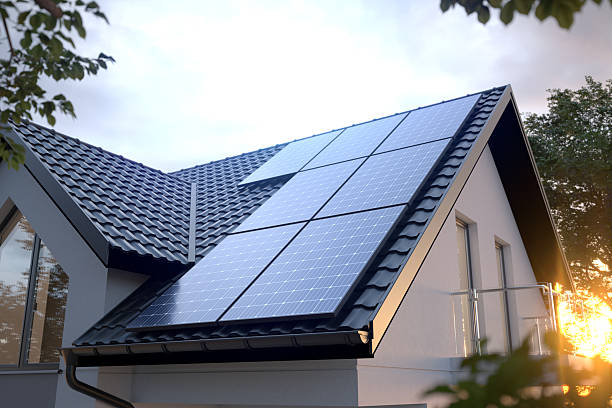
In Nigeria, solar energy and inverter systems are no longer alternative options—they are now a core part of daily electricity supply for homes, offices, shops, and small businesses. From Lagos to Abuja and across other cities, people rely on inverters and solar setups to manage unstable grid power.
But when these systems fail, the real challenge is not always fixing them—it is getting the right solar or inverter replacement parts quickly. This is where solar panel or inverter part delivery becomes essential.
Why Solar and Inverter Systems Need Fast Repairs
Power systems are sensitive. A single faulty component can shut down an entire setup.
Common issues include:
- Inverter failure due to burnt components
- Faulty charge controllers
- Damaged solar panels from overheating or impact
- Weak or dead batteries
- Broken cables or connectors
- Tripped breakers or fuses
- Faulty inverters refusing to charge or discharge
When these issues happen, homes go dark and businesses lose productivity immediately.
The Real Problem: Missing Spare Parts During Repairs
Most solar technicians in Nigeria face the same challenge—diagnose the fault, but delay the repair due to unavailable parts.
Common replacement items include:
- Inverter boards and circuits
- Solar charge controllers
- Deep-cycle batteries
- Solar panels (mono or poly)
- DC breakers and fuses
- Cables, connectors, and MC4 plugs
- Voltage regulators and sensors
Without quick access to these items, even simple repairs can take days.
Why Speed Matters in Solar and Inverter Logistics
Unlike non-essential systems, solar power is often the primary source of electricity for many households and businesses.
Delays in repair can cause:
- Business shutdowns for shops and offices
- Loss of refrigerated goods in supermarkets and pharmacies
- Interrupted remote work and digital operations
- Disruption of home activities and security systems
- Increased reliance on expensive fuel generators
Fast part delivery directly reduces downtime and financial loss.
Common Solar Repair Scenarios in Nigeria
Inverter Failure in Lagos Apartment
A home inverter stops charging due to a faulty board and requires immediate replacement parts to restore power.
Office Solar Breakdown in Abuja
A corporate office loses backup power and needs urgent delivery of charge controllers and batteries.
Retail Store Power Disruption
A supermarket in Port Harcourt needs solar battery replacement to keep fridges running.
Rural Installation Maintenance
A solar system in an off-grid community requires replacement panels or connectors to restore full functionality.
Challenges in Solar Equipment Logistics
1. Heavy and Fragile Components
Solar panels and batteries require careful handling to avoid damage.
2. Technical Specification Matching
Wrong voltage or capacity can damage systems if incorrect parts are delivered.
3. Limited Availability in Local Areas
Some components are only available in specialized markets in major cities.
4. Urgent Repair Expectations
Customers expect immediate restoration of power, especially for business systems.
5. Traffic and Distance Delays
Delivering parts across Lagos or between cities can take significant time without proper coordination.
Why Proper Logistics Matters in Solar Maintenance
Solar systems are technical, and downtime is costly.
Efficient delivery ensures:
- Faster system restoration
- Reduced technician downtime
- Accurate replacement of components
- Better customer satisfaction
- Improved system reliability
In many cases, logistics determines how quickly power is restored.
How Solar and Inverter Part Delivery Works Efficiently
A structured system typically includes:
Rapid Sourcing from Electrical Markets
Parts are picked from trusted solar and inverter suppliers in major hubs.
Specification-Based Delivery
Correct voltage, capacity, and compatibility are confirmed before dispatch.
Technician-to-Site Dispatch
Parts are delivered directly to installation or repair locations.
Emergency Same-Day Delivery
Critical breakdowns are prioritized for fast response.
Multi-Component Coordination
Multiple parts (battery, controller, cables) can be delivered in one trip.
Why Technicians and Installers Depend on Fast Delivery
For solar professionals, time equals productivity.
Fast logistics helps them:
- Complete more repair jobs per day
- Reduce customer downtime complaints
- Avoid repeated market trips
- Improve service reliability
- Scale installation operations faster
How Travo.ng Supports Solar and Inverter Part Delivery
Travo.ng helps coordinate fast logistics for solar technicians, installers, and maintenance companies that need urgent access to system components.
Depending on operational needs, support may include:
- Same-day delivery of solar and inverter parts
- Rapid pickup from electrical and solar markets
- Emergency dispatch for system breakdowns
- Battery and panel delivery coordination
- Technician-to-site logistics support
- Multi-location delivery for maintenance teams
- Business logistics for solar installation companies
This ensures technicians can respond faster and restore power systems without unnecessary delays.
Keeping Power Systems Running Without Interruptions
Solar panel and inverter systems are critical infrastructure for homes and businesses in Nigeria. When they fail, speed becomes everything. Without fast access to replacement parts, downtime can affect productivity, comfort, and revenue.
With structured delivery support through Travo.ng, technicians and users can restore power systems quickly, reduce delays, and keep energy solutions working reliably.
