


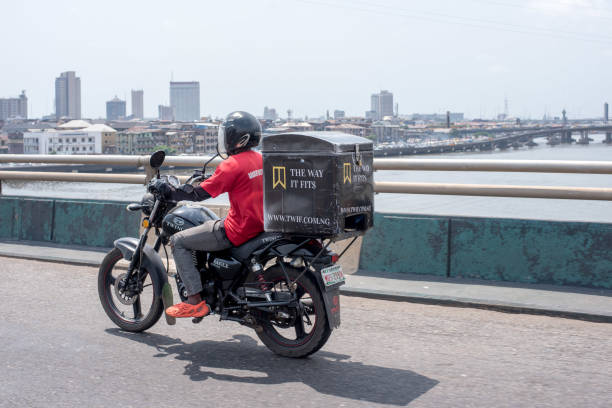
Pickup and delivery service for traders in Nigeria refers to a logistics system designed to help market traders, wholesalers, and retailers move goods between markets, warehouses, suppliers, and customers without handling transportation themselves.
It is widely used in Lagos, Abuja, Port Harcourt, Onitsha, Kano, and Ibadan, where trading activity depends heavily on fast movement of stock and daily replenishment.
Travo.ng explains this as a trade-support logistics network that powers supply flow, inventory movement, and last-mile distribution for Nigerian businesses.
1. What Is Pickup and Delivery for Traders?
It is a service where:
- Traders request pickup of goods from suppliers or markets
- Dispatch riders or vans collect the goods
- Items are transported to shops, warehouses, or customers
- Delivery is completed within short or scheduled timeframes
👉 It helps traders focus on selling while logistics is handled externally.
2. Who Is This Service For?
🛍️ Market traders
- Foodstuff sellers
- Fabric and clothing traders
- Electronics and accessories sellers
🏪 Retail shop owners
- Supermarkets and mini-marts
- Boutique owners
- Hardware shops
📦 Wholesale buyers and distributors
- Bulk foodstuff dealers
- Importers and suppliers
- Regional distributors
🍽️ Business operators
- Restaurants
- Catering companies
- Hotels
3. What Traders Commonly Move
🥘 Foodstuff
- Rice, beans, garri
- Vegetables and fruits
- Palm oil and spices
👗 Fashion items
- Fabrics (Ankara, lace)
- Clothing stock
- Shoes and accessories
🔧 Business supplies
- Spare parts
- Electrical tools
- Packaging materials
📦 Bulk goods
- Wholesale inventory
- Cartons of products
- Imported goods
4. How Trader Pickup & Delivery Works
- Trader places request for pickup or delivery
- Dispatcher assigns rider or vehicle
- Goods are collected from market, warehouse, or supplier
- Items are checked and secured
- Delivery is made to shop or customer location
5. Types of Trader Logistics Services
⚡ Daily pickup service
- For regular stock restocking
- Same-day movement
🛒 Market sourcing service
- Agent buys goods directly from market
- Delivers to trader shop
🚚 Wholesale delivery service
- Bulk transport of goods
- Often uses vans or trucks
📦 Customer delivery service
- Traders send goods directly to buyers
- Supports e-commerce sellers
6. Transport Modes Used
🏍️ Motorbikes
- Fast for small trader orders
- Ideal for urgent restocking
🚗 Cars
- Used for fragile or medium-sized goods
- Better for higher-value items
🚐 Vans and trucks
- Used for bulk and wholesale movement
- Common for supply chain logistics
7. Benefits for Traders
- Saves time spent on transportation
- Improves stock availability and turnover
- Enables faster business operations
- Reduces logistics cost over time
- Supports multi-market sourcing
8. Challenges Traders Face
- Traffic delays affecting delivery time
- Price changes during procurement
- Risk of wrong item selection
- Market congestion and vendor delays
- Seasonal demand fluctuations
9. Who Uses Trader Delivery Services Most?
- Market wholesalers
- Retail shop owners
- Online sellers (Instagram, WhatsApp stores)
- Restaurant and food businesses
- Importers and distributors
- Small and medium enterprises (SMEs)
10. Best Practices for Traders
- Work with trusted dispatch providers
- Maintain clear product specifications
- Confirm prices before purchase
- Track deliveries in real time
- Schedule regular restocking times
11. Travo.ng Logistics Insight
From a logistics perspective, pickup and delivery services for traders are the backbone of Nigeria’s informal economy, where:
- Markets act as supply hubs
- Traders depend on fast inventory movement
- Dispatch riders enable daily business continuity
- Efficiency directly affects profit margins
Travo.ng supports this ecosystem by enabling structured trader logistics, reliable market sourcing, and fast last-mile delivery across Nigeria’s commercial cities.
