


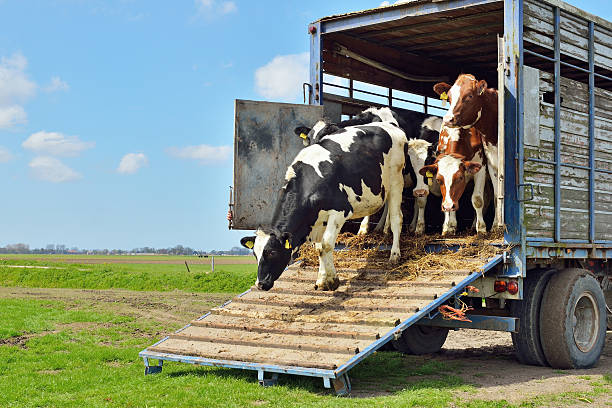
Shipping animals in Nigeria requires more planning than ordinary cargo transportation. Whether you are moving livestock between Nigerian cities, transporting pets, or arranging an international shipment, the animal’s health, welfare, documentation and transport conditions all need to be considered.
For international movements, Nigeria’s animal quarantine authorities oversee the inspection and certification of live animals, including dogs, cats, cattle, horses, sheep, goats and pet birds.
What Animal Shipping in Nigeria Involves
Animal shipping can cover several types of movement. A farmer may need to move cattle, goats or sheep from one state to another, while a pet owner may need to transport a dog or cat to Lagos, Abuja or another country.
The transport method depends on the species, distance, number of animals and destination. Road transportation is commonly used for domestic livestock movements, while airlines and specialist animal transport arrangements may be required for international shipments.
The animal should have suitable ventilation, enough space, access to appropriate water and handling arrangements that reduce unnecessary stress during the journey.
Domestic Animal Transport Across Nigeria
Moving animals between Nigerian states requires more than simply loading them into a vehicle. Livestock movements may be subject to veterinary inspection and movement documentation. Nigerian quarantine legislation provides for veterinary movement and loading permits for trade animals at interstate veterinary control posts.
Before moving livestock, owners should confirm the requirements with the appropriate veterinary authority and prepare the animals for the journey. This is particularly important when transporting animals over long distances.
Routes such as Lagos to Abuja, Kano to Lagos, Kaduna to Abuja and other interstate movements can involve long travel times, traffic delays and changes in weather conditions. The vehicle and handling arrangements should therefore be suitable for the particular animals being transported.
Shipping Pets From Nigeria
Pet transportation is different from commercial livestock transportation. Dogs, cats and other pets may need veterinary checks, vaccination records, health certificates and destination-specific documentation.
For international travel, requirements depend heavily on the country receiving the animal. Some destinations may require additional tests, permits, identification or quarantine arrangements.
Nigeria’s quarantine authority states that animal import and export requirements can include health certificates, laboratory test results and permits.
Pet owners should therefore start preparations well before the intended travel date instead of waiting until the week of departure.
International Animal Shipping From Nigeria
International animal shipping can involve several parties, including the owner, veterinarian, airline or transport company, quarantine authorities and the authorities in the destination country.
For exports from Nigeria, NAQS requires animal consignments to be declared for inspection, with quarantine, laboratory analysis and certification potentially forming part of the process.
Wildlife and certain endangered species can also require additional CITES documentation.
The destination country’s requirements should be checked before booking transportation because an animal that meets Nigerian export requirements may still need additional documentation to enter another country.
Preparing Animals for a Long Journey
Good preparation can reduce problems during transportation. Depending on the animal and journey, preparation may include:
- Veterinary examination before departure
- Up-to-date vaccination and health records
- Appropriate identification
- Suitable transport crates, cages or livestock vehicles
- Adequate ventilation
- Water and feeding arrangements
- Required movement or quarantine permits
- Confirmation of destination requirements
- A realistic route and delivery schedule
For livestock, loading should also be handled carefully to reduce injuries and excessive stress.
Common Animal Shipping Problems
Delays can occur when documentation is incomplete, veterinary requirements have not been satisfied or the transport arrangements are unsuitable.
International shipments can be particularly complicated because the origin and destination countries may have different requirements. Live animals can also be subject to inspection or quarantine when they arrive at designated entry points.
This makes early planning important, especially for valuable livestock, breeding animals and pets being relocated internationally.
How Travo.ng Can Help With Animal Shipping Logistics
Travo.ng can help coordinate the logistics around animal transportation in Nigeria, particularly where the movement involves long-distance transport, travel planning, delivery coordination or other connected logistics requirements.
For a livestock movement, pet relocation or animal shipment, the process can involve coordinating pickup, transportation, timing and delivery while ensuring that the owner understands the documentation and veterinary requirements that apply.
Where regulatory approval or veterinary certification is required, these should be handled through the appropriate authorities and qualified veterinary professionals before transportation begins.
Plan Animal Shipping Before Booking Transport
Animal shipping Nigeria requires a different approach from ordinary freight because the cargo is living. The right transport method, veterinary documentation, handling arrangements and destination requirements should all be considered before the journey starts.
Whether you are transporting livestock between Nigerian states or relocating a pet internationally, early preparation can help prevent avoidable delays and complications.
