


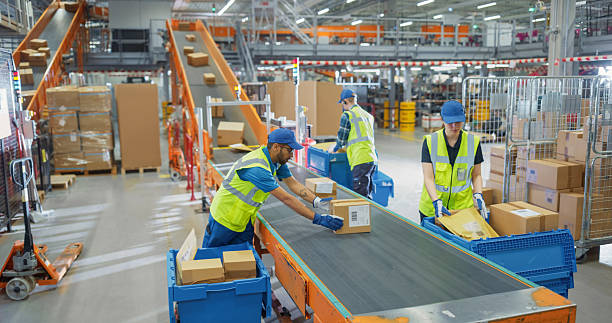
A distribution center is a facility where goods are received, organised, stored temporarily, and prepared for delivery to customers, retailers, businesses, or other locations. Distribution centers play an important role in Nigeria’s supply chain by helping businesses move products efficiently from suppliers to their final destinations.
For businesses handling large quantities of inventory, using a suitable distribution center can make storage, order fulfilment, and transportation easier to manage.
What Is a Distribution Center?
A distribution center is designed primarily for the movement and distribution of goods rather than simply long-term storage.
Activities can include:
- Receiving goods.
- Sorting inventory.
- Temporary storage.
- Order preparation.
- Packing.
- Loading.
- Dispatch coordination.
- Customer deliveries.
- Interstate distribution.
Goods may arrive from manufacturers or suppliers and then be sent to different customers, shops, warehouses, or branches.
Distribution Centers in Nigeria
Distribution centers are particularly useful in major commercial areas where businesses need to move large volumes of goods.
Important locations include:
- Lagos.
- Abuja.
- Ibadan.
- Port Harcourt.
- Kano.
- Kaduna.
- Benin City.
- Onitsha.
- Enugu.
- Ilorin.
Lagos has strong demand for distribution facilities because of its large consumer market, commercial activity, warehouses, businesses, and transportation connections.
How Does a Distribution Center Work?
A typical distribution process may look like this:
Supplier → Distribution Center → Sorting → Order Preparation → Transportation → Customer
For example, a retailer may receive a large shipment from a supplier and send it to a distribution center. The goods can then be organised and distributed to different branches or customers based on individual orders.
Distribution Center vs Warehouse
Although the two terms are often used interchangeably, they serve different purposes.
A warehouse is primarily used to store goods for a period of time.
A distribution center focuses more on receiving, processing, sorting, and moving goods to their next destination.
Some modern facilities can perform both functions, providing storage alongside distribution and fulfilment services.
Distribution Centers for E-commerce
E-commerce businesses can benefit significantly from distribution centers.
An online retailer may use a distribution center to:
- Receive products from suppliers.
- Organise inventory.
- Prepare customer orders.
- Package products.
- Coordinate deliveries.
- Handle returns.
This can be particularly useful when a business receives orders from customers across different parts of Nigeria.
Distribution Centers for Businesses
Manufacturers, wholesalers, retailers, and distributors can use distribution centers to manage the movement of their products.
A distribution center can help businesses:
- Reduce unnecessary transportation.
- Organise stock.
- Improve order fulfilment.
- Serve customers in different regions.
- Coordinate multiple deliveries.
- Manage growing inventory volumes.
How Much Does a Distribution Center Cost?
The cost of using a distribution center depends on several factors.
These can include:
- Location.
- Facility size.
- Amount of inventory.
- Storage duration.
- Handling requirements.
- Loading and unloading.
- Order fulfilment services.
- Security.
- Transportation requirements.
Businesses with larger inventories or more frequent deliveries may require more space and additional services.
Choosing a Distribution Center
Before selecting a facility, consider:
- Location.
- Accessibility.
- Storage capacity.
- Security.
- Loading facilities.
- Transportation connections.
- Operating hours.
- Handling services.
- Cost.
- Proximity to customers.
A strategically located distribution center can make it easier to move products to customers and business locations.
Distribution and Logistics with Travo.ng
Travo.ng helps businesses coordinate transportation and logistics requirements connected to distribution operations.
Transportation can be arranged for:
- Supplier-to-distribution-center movement.
- Distribution-center-to-customer delivery.
- Warehouse transfers.
- Interstate transportation.
- Commercial stock movement.
- Scheduled business deliveries.
- Loading and unloading requirements.
This allows businesses to coordinate the transportation side of their distribution process according to their cargo, destination, vehicle requirements, and delivery schedule.
Why Distribution Centers Matter
As businesses expand across different cities and states, managing inventory from a single location can become more difficult. A well-planned distribution center can help bring products closer to customers while making transportation and order fulfilment more organised.
For businesses operating in Nigeria, combining appropriate storage, distribution, and transportation arrangements can make it easier to manage growing product volumes and customer orders.
Travo.ng helps coordinate transportation solutions around business distribution requirements, making it easier to move goods between suppliers, distribution facilities, warehouses, branches, and customers.
