


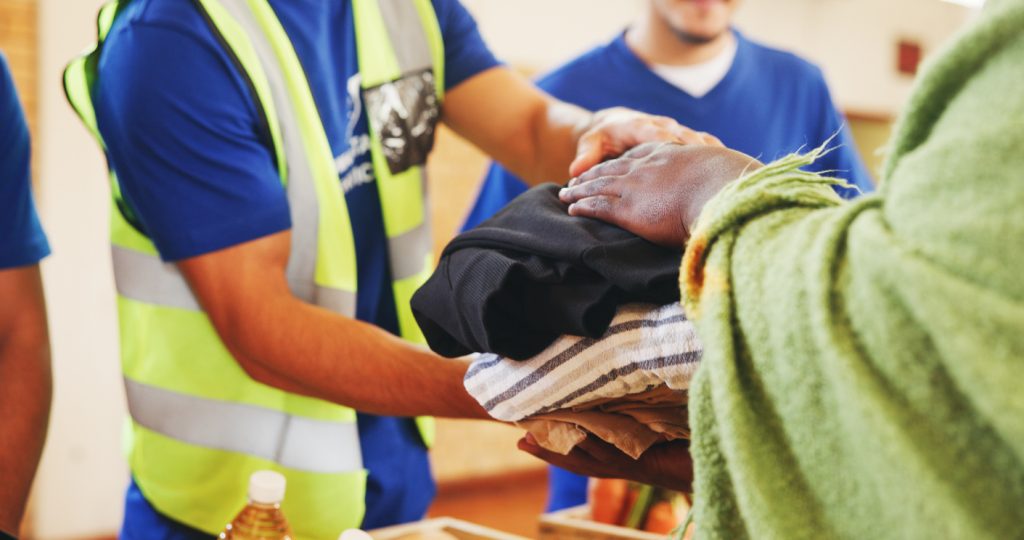
Emergencies rarely give organisations enough time to prepare. Flooding, displacement, community conflict, disease outbreaks and major accidents can create urgent needs for food, water, clothing, medical supplies and safe transport within hours.
A successful rapid humanitarian response in Nigeria depends on more than collecting relief items. Supplies must be sourced, packed, transported and delivered to the right location while conditions are still changing. Poor roads, limited access, unreliable information and sudden increases in demand can quickly disrupt an otherwise good response plan.
Travo.ng helps organisations coordinate transport, deliveries, vehicle hire and logistics support for urgent relief operations across Nigeria.
The First Hours Shape the Entire Response
The early stage of an emergency is often confusing. Different teams may receive conflicting reports about the number of affected people, available access routes or the items most urgently needed.
Before dispatching vehicles, coordinators should confirm:
- The exact affected location
- The nearest safe access point
- The estimated number of beneficiaries
- The priority supplies required
- Whether roads are passable
- Who will receive the items
- The safest delivery time
Sending supplies without this information can lead to trucks arriving at blocked roads, duplicated deliveries or relief items being sent to communities that already have enough of them.
A simple contact structure also helps. One person should coordinate dispatch, another should communicate with the receiving team, and drivers should know who to call if the route changes.
Moving Supplies When Roads Are Difficult
Transport is one of the biggest challenges during humanitarian operations. Flooded roads, damaged bridges, heavy traffic and poor rural access can delay food, medicine and emergency equipment.
For example, relief items leaving Lagos for a flooded community in Bayelsa may require more than one transport method. A truck can move bulk supplies to a central location, while smaller vehicles or boats handle the final stage.
The right option depends on the route and cargo:
- Trucks for bulk food and bottled water
- Vans for medical supplies and packaged relief kits
- Motorcycles for lightweight urgent deliveries
- Four-wheel-drive vehicles for difficult terrain
- Boats for riverine or flooded communities
Travo.ng can help coordinate these different stages so that supplies are not left waiting at transfer points.
Relief Items Must Be Packed for Real Conditions
Emergency goods are often exposed to rain, dust, rough roads and repeated handling. Weak cartons may collapse before reaching the final destination.
Food should be packed in manageable quantities rather than oversized bags that are difficult to distribute. Medicines and sensitive items may require insulated containers or temperature-controlled transport. Clothing should be sorted by size and clearly labelled before dispatch.
Important documents, beneficiary lists and electronic equipment should be protected inside waterproof bags. Every package should also carry a clear destination label, especially when several communities are being served from one warehouse.
Good packaging reduces losses and makes distribution faster when the delivery team arrives.
How to Avoid Delays at Collection Points
Humanitarian shipments are sometimes delayed before they even leave the warehouse. Vehicles arrive, but supplies are still being counted, packaged or approved for release.
Before booking transport, confirm that:
- All items are ready for loading
- The total weight and volume are known
- Loading staff are available
- Access documents have been prepared
- The receiving contact is reachable
- Security arrangements have been confirmed
The vehicle type should match the actual cargo. Booking a small van for several pallets of bottled water wastes time and may require an expensive last-minute replacement.
Allow extra loading time for mixed relief packages, especially when food, clothing, hygiene products and medical materials are travelling together.
Staff Movement Also Needs Proper Planning
Relief operations often involve medical workers, volunteers, engineers, security personnel and assessment teams. Their transport should be planned separately from cargo movement where possible.
Passengers need safe vehicles, clear departure times and suitable accommodation if the assignment extends overnight. Teams travelling from Abuja to affected communities in Benue or Niger State may also need drivers familiar with local roads and alternative routes.
For airport arrivals, pickup arrangements should include flight details, passenger numbers and the amount of equipment being carried. Delayed airport transfers can affect an entire field schedule.
Clear Records Improve Accountability
Even during urgent operations, basic records should not be ignored. Coordinators should document what was dispatched, the vehicle used, the departure time and who confirmed delivery.
Photos, signed waybills and delivery updates can help organisations account for supplies and identify where delays occurred. This is especially important when multiple donors, contractors or local partners are involved.
Tracking information also helps teams prepare for the next delivery instead of repeating the same mistakes.
Arrange Humanitarian Logistics With Travo.ng
Effective rapid humanitarian response in Nigeria requires speed, local knowledge and dependable coordination. Relief items must move quickly, but they must also reach the correct destination safely and in usable condition.
Travo.ng supports NGOs, businesses, government teams and community organisations with cargo movement, emergency deliveries, vehicle hire, airport pickups and transport coordination across Nigeria.
By planning routes, vehicles, loading and final delivery together, response teams can reduce delays and focus on getting essential assistance to the people who need it most.
