


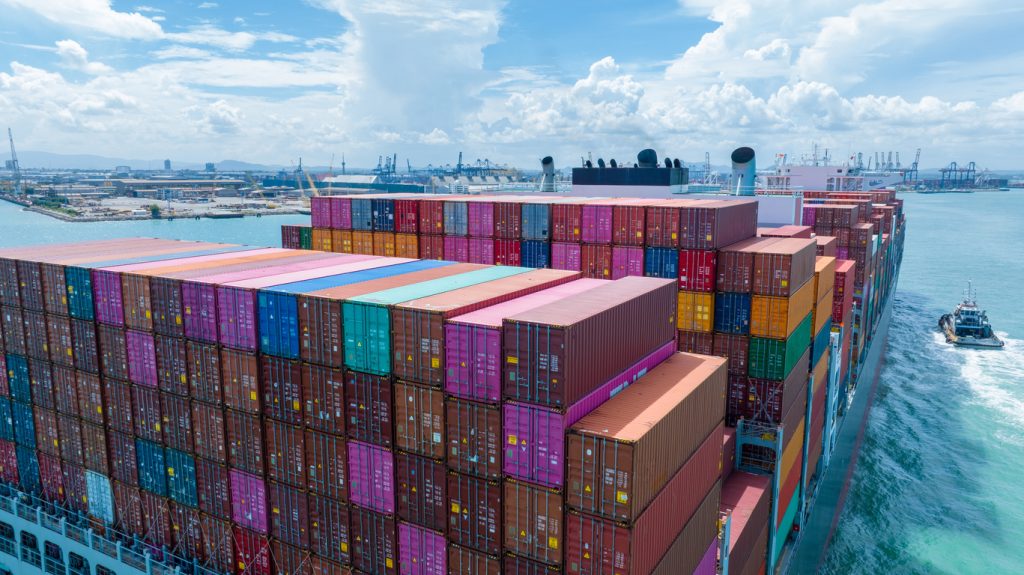
A shipment tracking platform in Nigeria is a digital system that allows businesses and customers to monitor the movement of cargo, parcels, containers, and freight shipments in real time.
These platforms are widely used in:
- 🚚 Logistics and haulage companies
- 📦 E-commerce delivery services
- 🚢 Freight forwarding operations
- ✈️ Air cargo and courier services
- 🏭 Manufacturing and distribution supply chains
🚛 What Shipment Tracking Platforms Do
Modern tracking systems help users:
- 📍 Track shipment location in real time
- 📦 Monitor delivery status updates
- 🚚 Manage fleet and driver movement
- 📡 Receive delivery notifications
- 🧾 Access shipping documentation digitally
- ⏱️ Estimate arrival time (ETA)
- 🚢 Track containers and freight cargo internationally
🏢 Types of Shipment Tracking Platforms in Nigeria
🟢 1. Courier Tracking Platforms
Used by:
- Dispatch companies
- E-commerce logistics firms
- Parcel delivery businesses
Tracks:
- Parcels
- Last-mile deliveries
- Rider movement
🟡 2. Freight Tracking Platforms
Used by:
- Freight forwarders
- Import/export companies
- Shipping agencies
Tracks:
- Containers
- Sea freight
- Air cargo
- Cross-border shipments
🔵 3. Fleet Management Systems
Used by:
- Trucking companies
- Haulage operators
- Manufacturing firms
Tracks:
- Trucks and trailers
- Fuel usage
- Driver routes
- Delivery performance
🔴 4. Warehouse & Supply Chain Platforms
Used for:
- Inventory tracking
- Warehouse movement
- Distribution coordination
- Multi-location logistics monitoring
📦 Features of a Good Shipment Tracking Platform
📡 Real-Time GPS Tracking
Shows where cargo or delivery vehicle is currently located.
📲 SMS & Email Notifications
Customers receive shipment updates automatically.
📊 Dashboard & Analytics
Businesses can monitor:
- Delivery performance
- Delays
- Fleet efficiency
🧾 Digital Documentation
Stores invoices, proof of delivery, and customs paperwork.
🌍 Multi-Country Tracking
Useful for international shipping into Nigeria.
🚢 Industries Using Shipment Tracking in Nigeria
- 🛍️ E-commerce businesses
- 🏭 Manufacturing companies
- 🚛 Freight forwarding firms
- 🧴 FMCG distributors
- 🛢️ Oil & gas logistics operators
- 📦 Courier and dispatch companies
💰 Cost of Shipment Tracking Platforms in Nigeria (2026 Estimate)
Pricing depends on company size and features:
- 📱 Small delivery businesses: ₦10,000 – ₦100,000/month
- 🚚 Fleet management systems: ₦100,000 – ₦1M+ yearly
- 🌍 Enterprise logistics platforms: ₦2M – ₦50M+ annually
Factors affecting cost:
- Number of vehicles/users
- GPS integration
- Cloud storage and reporting tools
- API integrations
⚠️ Challenges in Nigeria
- 📡 Poor network coverage in some regions
- 🚛 Inconsistent GPS accuracy on rural routes
- 💰 High implementation cost for SMEs
- 📉 Limited digital adoption by traditional logistics operators
- 🔐 Data security concerns
📌 Benefits of Shipment Tracking Platforms
- 📦 Better shipment visibility
- 🚚 Faster issue resolution
- 📡 Improved customer trust
- ⏱️ Reduced delivery delays
- 📊 Better logistics performance analysis
- 💰 Reduced operational losses
🔎 Travo.ng Logistics Insight (IMPORTANT)
For businesses and shippers in Nigeria:
👉 Travo.ng
On Travo.ng, users can:
- Connect with logistics providers offering shipment tracking
- Compare freight and delivery services with live updates
- Track cargo movement from pickup to delivery
- Access reliable logistics partners across Nigeria
This improves transparency and helps businesses choose tech-enabled logistics providers.
💡 Final Thoughts
Shipment tracking platforms are transforming Nigeria’s logistics industry by improving visibility, customer confidence, and operational efficiency. As digital logistics adoption grows, real-time cargo tracking is becoming a standard requirement for modern supply chains.
