


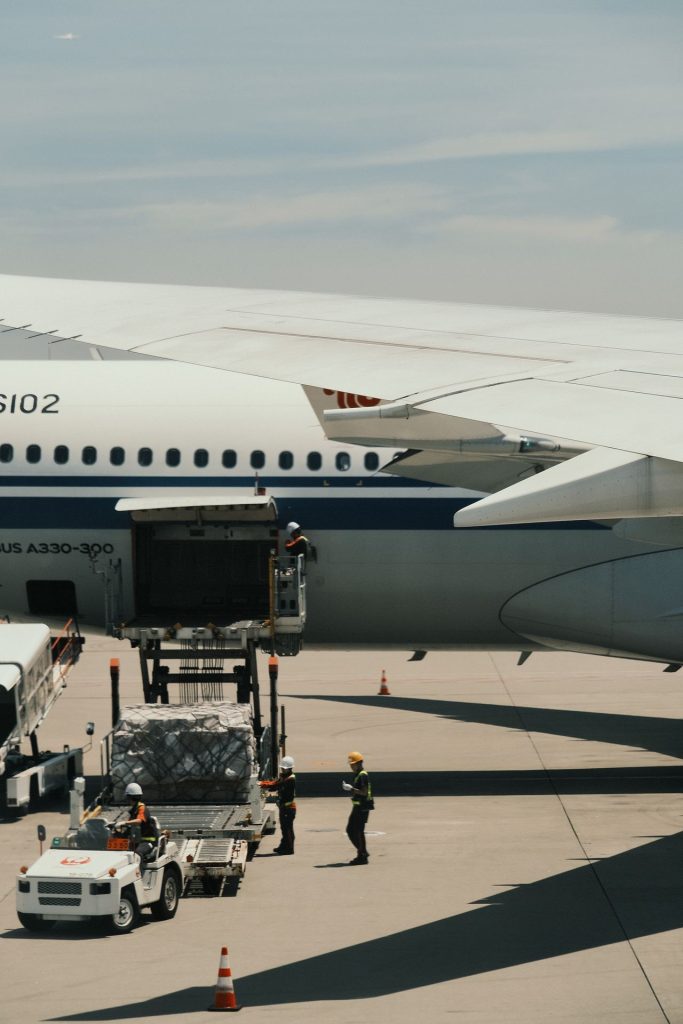
Flooding, fire outbreaks, building damage and severe storms can cut communities off from the supplies they need most. When normal delivery routes are blocked, every hour matters. Food, drinking water, medicine, protective clothing and power equipment must reach affected people without creating additional risks for drivers, riders or volunteers.
A reliable rapid disaster delivery Nigeria service focuses on more than speed. It requires accurate information from the affected area, suitable vehicles, secure packaging and a clear handover plan at the destination.
Travo.ng helps individuals, businesses and organisations coordinate urgent delivery and transport support during disruptive events across Nigeria.
Start With What People Actually Need
Emergency response can become disorganised when everyone sends whatever is available. Before dispatching supplies, confirm what is urgently required and whether someone is available to receive them.
Common disaster relief items include:
- Bottled water and packaged food
- Essential medicines and first-aid supplies
- Blankets, clothing and footwear
- Torches, batteries and power banks
- Generators and fuel containers
- Hygiene products and sanitary supplies
- Rescue ropes, life jackets and protective equipment
The delivery list should be based on information from residents, local coordinators, healthcare workers or recognised relief teams. Sending unsuitable goods can waste vehicle space and delay more important supplies.
The Fastest Route May Not Be the Usual Route
During a disaster, familiar roads may be flooded, damaged or blocked by emergency activity. A driver who normally uses the Lagos–Ibadan Expressway, Lekki–Epe corridor or a city access road may need an alternative route.
Before departure, confirm:
- Which roads are still passable
- Whether bridges or drainage crossings are affected
- Where the nearest safe handover point is
- Whether security restrictions are in place
- Whether the final section requires a motorcycle, boat or smaller vehicle
For example, a truck may carry relief supplies from a central warehouse to the edge of a flooded neighbourhood. From there, smaller vehicles or boats may complete the last stage.
Travo.ng can coordinate different transport methods when one vehicle cannot safely cover the full journey.
Packaging Supplies for Difficult Conditions
Ordinary delivery packaging may not be suitable during heavy rain or flooding. Cartons can weaken quickly when exposed to water, while medicine, documents and electronics may become unusable after a few minutes in wet conditions.
Pack sensitive items inside sealed plastic bags or waterproof containers before placing them in outer boxes. Label medicine, food and fragile equipment clearly so they can be separated during unloading.
Heavy goods should be placed at the bottom of the vehicle, while lighter supplies remain on top. Avoid mixing leaking fuel containers with food, clothing or medical items.
A simple packing list should travel with every shipment. This helps the receiver confirm what arrived and identify shortages immediately.
Matching the Vehicle to the Emergency
The vehicle should be selected according to the road condition, cargo volume and destination access.
Motorcycles may be useful for medicine, documents and lightweight supplies within congested city areas. Vans can carry food cartons, clothing and hygiene products, while pickup trucks may handle rough access roads more effectively.
Larger trucks are suitable for bulk supplies but may be unable to enter narrow, damaged or heavily flooded streets. Boats may be necessary in riverine communities or locations where road access has completely failed.
Using the wrong vehicle can lead to breakdowns, damaged cargo or a failed delivery attempt.
Communication Prevents Dangerous Delays
Emergency deliveries require regular updates. The driver should have the receiver’s phone number, exact location, nearby landmarks and alternative contacts.
The receiving team should also be informed before the vehicle arrives. Unloading should not begin in an unsafe area simply because the destination was originally agreed upon.
Where phone networks are unstable, decide in advance what the driver should do if communication is lost. This may involve waiting at a known landmark, contacting a second coordinator or returning to a safer location.
Common Mistakes During Disaster Deliveries
One major mistake is rushing a vehicle into an affected area without checking the latest conditions. Floodwater can rise quickly, and damaged roads may not be visible from a distance.
Other problems include overloading vehicles, sending unlabelled supplies, using drivers unfamiliar with the area and failing to arrange unloading support.
Emergency speed should never replace basic safety. A successful delivery is one that reaches the correct people without injuring the transport team or damaging the supplies.
Book Rapid Disaster Delivery Nigeria Support With Travo.ng
Effective rapid disaster delivery Nigeria services bring together urgent transport, suitable vehicles, secure packaging and dependable local coordination.
Travo.ng can help arrange emergency courier services, cargo movement, boat transport, vehicle hire and last-mile delivery for individuals, companies, relief groups and communities across Nigeria.
Whether supplies need to move within Lagos or reach an affected location in another state, planning the route and handover properly helps essential items arrive quickly, safely and in usable condition.
