


Flooding can cut off entire communities from markets, warehouses and regular delivery routes. Once roads become impassable, households, relief teams, schools, hospitals and businesses may struggle to receive food even when supplies are available in a nearby town.
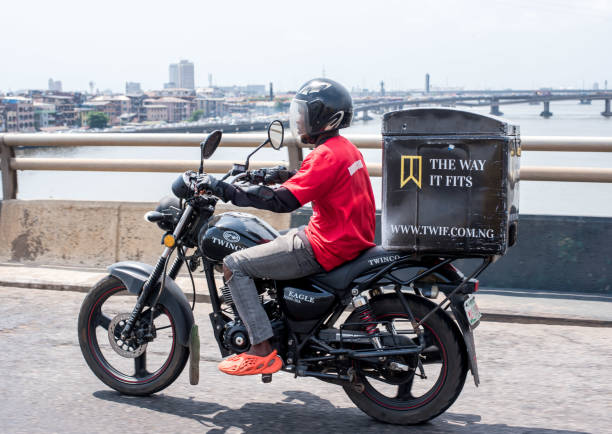
Organising food supply delivery to flooded areas requires more than loading cartons into a vehicle and hoping the driver can get through. The delivery may involve trucks, vans, boats, motorcycles and temporary collection points, depending on the depth of the water and the location of the community.
A properly planned operation helps food arrive safely, reduces spoilage and prevents delivery teams from taking unnecessary risks.
The Last Few Kilometres Are Often the Hardest
During heavy flooding, the main road may still be open while smaller access roads are completely submerged. A truck carrying rice, noodles, bottled water and cooking oil may reach the edge of a community but be unable to enter.
This is common in riverine and low-lying areas across Bayelsa, Rivers, Delta, Lagos and parts of Kogi and Anambra during periods of severe rainfall.
Instead of forcing a vehicle through unknown water, supplies may need to be transferred at a safe point. Smaller boats, canoes or motorcycles can then handle the final stage of the journey.
The transfer point should be chosen carefully. It needs enough space for loading, dry ground where possible and safe access for both the delivery vehicle and the receiving team.
Food Packaging Must Be Ready for Water Exposure
Ordinary cardboard cartons can weaken quickly when exposed to rain or floodwater. Food items should be packed with the journey conditions in mind.
Dry goods such as rice, beans, garri and flour should be sealed in strong waterproof bags before being placed inside sacks or containers. Cooking oil, bottled water and canned products should be checked for damaged packaging before dispatch.
Perishable items need even more attention. Frozen food, meat, fish and dairy products require insulated containers or refrigerated movement to prevent temperature changes during delays.
Useful precautions include:
- Sealing cartons with waterproof wrapping
- Keeping food off the floor of the vehicle or boat
- Separating cleaning chemicals from edible products
- Labelling supplies by destination
- Using smaller packages for easier transfer
- Recording quantities before loading
Good packaging makes distribution faster and reduces disputes about missing or damaged items.
Delivery Timing Can Change Very Quickly
Flood conditions may worsen after several hours of rainfall. A route that was manageable in the morning may become unsafe by afternoon.
Before dispatch, the transport team should confirm water levels, road access, weather conditions and the availability of boats where needed. Local contacts can provide valuable information about which roads, jetties or footpaths are still usable.
Night delivery should be avoided where possible. Visibility is poor, floating debris may block the route and submerged drains or structures can be difficult to detect.
For urgent deliveries, it is better to leave early and build extra time into the schedule rather than promise an exact arrival time that current conditions may not allow.
What to Provide Before Booking the Delivery
Clear information helps the logistics provider choose the right vehicle and route.
The booking request should include:
- The exact pickup and delivery locations
- The type and quantity of food
- The total estimated weight
- Whether any items require refrigeration
- The current road condition
- The nearest safe jetty or transfer point
- A contact person at the destination
- The latest acceptable delivery time
Photos or short videos of the access road can also help determine whether a van, truck, boat or mixed transport arrangement is required.
Avoid These Common Flood Delivery Mistakes
One major mistake is overloading a boat because several trips appear inconvenient. Excess weight can make the vessel unstable and place both passengers and supplies at risk.
Another problem is sending food without confirming who will receive and distribute it. Supplies may arrive at the community but remain exposed to rain because no organised receiving team is available.
Businesses and relief organisations should also avoid mixing destinations. Clearly separated loads make it easier to unload the correct quantity at each stop.
Arrange Food Deliveries With Travo.ng
Successful food supply delivery to flooded areas depends on good route planning, suitable packaging and coordination between road and water transport.
Travo.ng helps individuals, businesses and organisations arrange food deliveries, cargo movement, vehicle hire, boat transport and emergency logistics across Nigeria. Where regular roads are blocked, the journey can be planned in stages using safe transfer points and suitable local transport.
With clear communication and the right delivery arrangement, essential food can continue reaching affected communities even when normal access routes are unavailable.
