


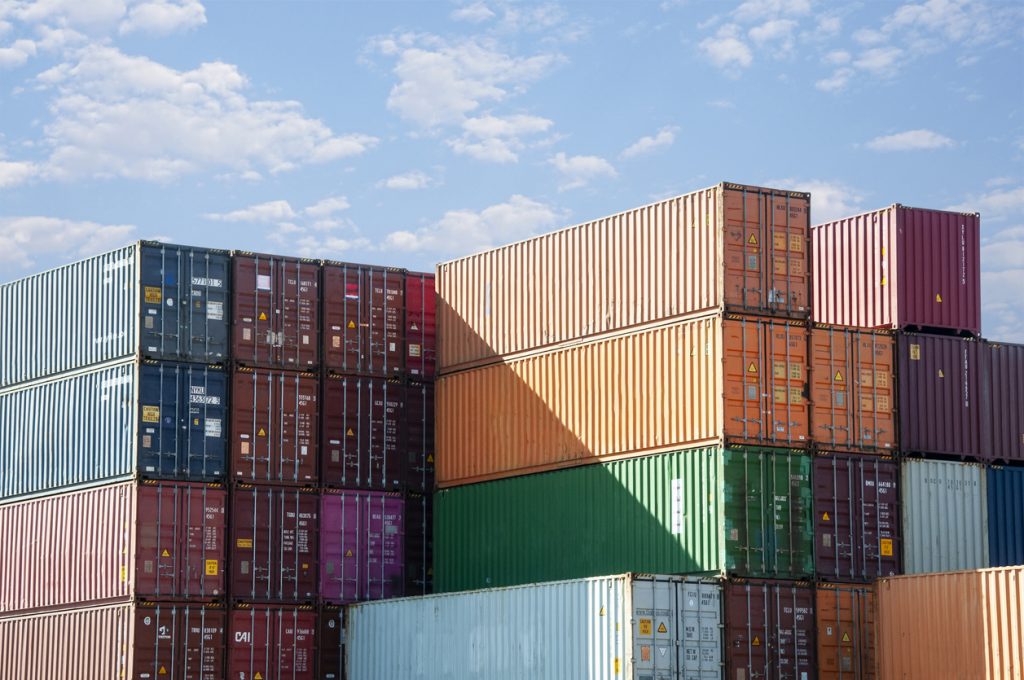
The Nigeria import prohibition list refers to goods that are not allowed to be imported into Nigeria under any circumstances. These restrictions are enforced by the Nigeria Customs Service (NCS) in collaboration with agencies such as SON, NAFDAC, and other government bodies at major entry points like Apapa Port, Tin Can Island Port, and Lekki Deep Sea Port.
In simple terms, these are goods you cannot legally bring into Nigeria.
What Is the Import Prohibition List?
The import prohibition list is a government-defined list of items that are:
- Completely banned from importation
- Not eligible for permits or approvals
- Restricted to protect health, security, and the economy
- Enforced at all Nigerian borders and ports
Nigeria Import Prohibition List (Common Categories)
1. Narcotics and Controlled Drugs
- Cocaine
- Heroin
- Cannabis (illegal forms)
- Other psychotropic substances
2. Firearms and Explosives (Without Authorization)
- Guns and rifles
- Ammunition
- Military-grade weapons
- Explosives and detonators
3. Counterfeit and Pirated Goods
- Fake branded products
- Pirated software
- Illegally reproduced music, films, or books
- Trademark-infringing goods
4. Used Clothing (Restricted Categories)
- Used underwear
- Certain worn garments considered unhygienic
5. Toxic and Hazardous Waste
- Industrial waste
- Radioactive materials
- Dangerous chemical waste
- Contaminated materials
6. Pornographic Materials
- Adult content in print or digital form
- Obscene publications or media
7. Certain Agricultural Products
- Plants or seeds that may carry pests or diseases
- Items that threaten local agriculture
8. Substandard or Unsafe Products
- Goods that fail safety standards
- Items rejected by regulatory agencies
Why Nigeria Has an Import Prohibition List
1. Protect Public Health
To prevent harmful or unsafe goods from entering the country.
2. Ensure National Security
To control weapons, drugs, and dangerous materials.
3. Support Local Industries
To encourage domestic production and reduce dependency on imports.
4. Environmental Protection
To prevent hazardous waste and pollution.
5. Maintain Regulatory Standards
To ensure only approved and safe goods are available in the market.
Agencies That Enforce the Import Prohibition List
Nigeria Customs Service (NCS)
- Primary enforcement agency
- Inspects and seizes prohibited imports
Standards Organisation of Nigeria (SON)
- Ensures product quality compliance
- Blocks substandard goods
National Agency for Food and Drug Administration and Control (NAFDAC)
- Regulates food, drugs, and cosmetics
- Prevents unsafe products from entering Nigeria
Security Agencies
- Handle narcotics, weapons, and national security threats
Consequences of Violating the Import Prohibition List
1. Cargo Seizure
Goods are confiscated by Customs authorities.
2. Cargo Destruction
Prohibited items are often destroyed.
3. Legal Action
Importers may face:
- Heavy fines
- Criminal prosecution
- Possible imprisonment
4. Financial Loss
Loss of goods, shipping costs, and port charges.
5. Business Restrictions
Increased monitoring or blacklisting of importers.
Difference Between Prohibited and Restricted Imports
Prohibited Imports
- Completely banned
- No permits allowed
- Example: narcotics, counterfeit goods
Restricted Imports
- Allowed with permits
- Require regulatory approval
- Example: medicines, telecom equipment
How Customs Enforces the Prohibition List
1. Cargo Inspection
Physical examination of shipments at ports.
2. Documentation Review
Checking invoices, declarations, and shipping documents.
3. Risk Profiling
Identifying suspicious shipments using intelligence systems.
4. Inter-Agency Collaboration
Working with SON, NAFDAC, and security agencies.
How to Avoid Violating the Import Prohibition List
1. Understand Import Regulations
Check banned items before importing goods.
2. Use Trusted Suppliers
Avoid counterfeit or unverified manufacturers.
3. Conduct Pre-Shipment Inspection
Verify goods before they leave the exporting country.
4. Ensure Proper Documentation
Accurate and consistent shipping documents reduce risk.
5. Work With Licensed Clearing Agents
Professionals help ensure compliance with Nigerian import laws.
Role of Logistics in Import Compliance
Efficient logistics helps prevent violations by improving documentation accuracy and supply chain visibility.
Travo.ng supports businesses through:
- Cargo pickup from Apapa, Tin Can, and Lekki ports
- Nationwide transportation services
- Interstate logistics coordination
- Commercial cargo delivery
- Distribution support for businesses
- Last-mile delivery solutions
Strong logistics systems reduce import risks and improve compliance outcomes.
Final Insight
The Nigeria import prohibition list is designed to protect public health, national security, and the economy. Importing prohibited goods leads to serious consequences including seizure, destruction, and legal penalties. Importers must stay informed, work with trusted suppliers, and follow customs regulations to avoid violations and ensure smooth trade operations.
