


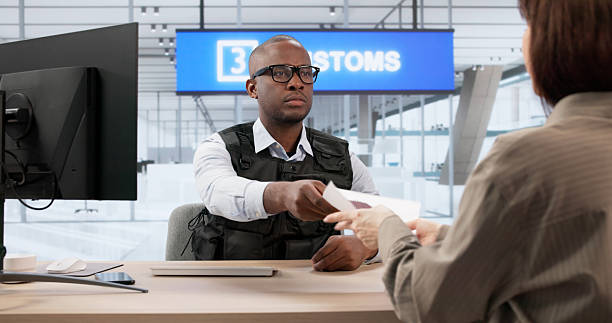
Nigeria Customs scanning fees refer to charges associated with the use of cargo scanning systems by the Nigeria Customs Service (NCS) or approved inspection processes where containers are screened using non-intrusive scanning machines at ports like:
- Apapa Port
- Tin Can Island Port
- Lekki Deep Sea Port
However, an important clarification is needed:
👉 There is usually NO official “separate scanning fee” paid directly to Customs by importers as a standalone charge.
Instead, scanning costs are generally embedded into port, terminal, or inspection-related charges.
What “Customs Scanning” Means in Nigeria
Customs scanning is a process where:
- Containers are scanned using X-ray machines
- Cargo contents are checked without opening containers
- Images are compared with declaration documents
- Risk is assessed before release
Modern scanners are being expanded at Apapa and other ports to reduce physical inspection and speed up clearance
Are There Official Customs Scanning Fees?
1. Direct Customs Fee (Official)
- ❌ No separate item called “scanning fee” in most official Customs tariffs
- Scanning is part of Customs enforcement operations
2. Indirect Costs Paid by Importers
Even though Customs does not usually charge a standalone scanning fee, importers may still pay indirectly through:
- Terminal handling charges (THC)
- Terminal storage fees during inspection delay
- Logistics/clearing agent service fees
- Port operational charges
These costs arise because scanning can delay clearance time.
3. Private Terminal or Operator Charges
Some terminals may include:
- Equipment handling fees
- Yard movement charges
- Inspection coordination costs
But these are terminal-based, not Customs scanning fees.
Why Containers Are Selected for Scanning
Customs selects containers based on:
1. Risk profiling system
- Import history
- Cargo type
- Country of origin
2. Random checks
- To maintain compliance system integrity
3. Value or HS code issues
- Suspicious pricing
- Misclassification risk
4. Regulatory monitoring
- SON, NAFDAC, NDLEA requirements
What Happens During Scanning
- Container is moved to scanning point
- X-ray machine scans cargo
- Customs reviews scanned image
- Decision is made:
- ✔ Clear release
- ⚠ Query / document request
- ❌ Physical examination
Scanning is faster than manual inspection, but still adds processing time.
Why People Think There Is a “Scanning Fee”
This confusion comes from:
- Extra clearing agent charges
- Port delay costs during scanning
- Storage/demurrage during inspection
- Terminal handling movements
So while scanning itself is not usually billed separately, the delay it causes creates costs.
Impact of Customs Scanning on Import Costs
1. Possible delays
- 1–3 extra days depending on queue
2. Storage accumulation
- Demurrage or terminal storage may increase
3. Additional logistics cost
- Truck waiting or rescheduling
How to Reduce Costs Related to Scanning Delays
1. Proper documentation
- Correct invoice
- Accurate HS code
- Matching declaration
2. Early clearance preparation
- Form M and PAAR ready before arrival
3. Use experienced clearing agents
- Reduces inspection triggers
- Speeds up Customs response
4. Fast response to queries
- Avoid unnecessary hold time
Key Insight
👉 Nigeria Customs does not typically charge a direct “scanning fee.”
Instead, scanning affects time, and time affects cost (storage, demurrage, logistics).
So the real issue is not the fee itself, but the delay impact on port charges.
Final Summary
Nigeria Customs scanning is a security and verification process used to inspect containers electronically. While there is no official standalone scanning fee, importers may experience indirect costs due to delays caused by scanning selection.
Efficient documentation, fast clearance, and good logistics coordination are the best ways to reduce any financial impact.
Structured logistics planning and timing coordination—like the approach supported by Travo (Travo.ng)—help importers reduce delays that often increase total port costs.
