


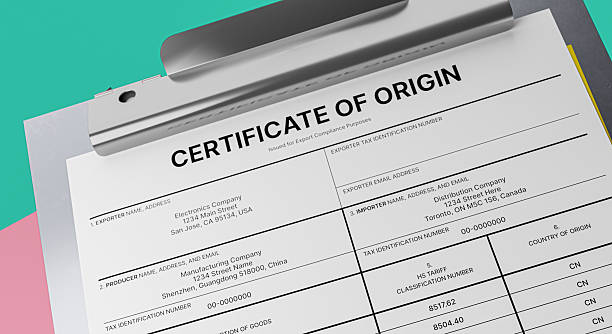
If you import goods through Apapa Wharf, Tin Can Island, or Murtala Muhammed Airport cargo terminal, one document that can quietly change your entire duty structure is the certificate of origin. When it is missing, your shipment may still clear—but often at a higher cost, with additional verification, or under full import duty.
In many cases, importers only realize its importance when customs refuses preferential treatment or requests proof after the cargo has already arrived. This is what typically leads to a missing certificate of origin in Nigeria issue.
In simple terms, a missing certificate of origin means customs cannot verify where your goods were manufactured, which affects duty relief eligibility.
What a Certificate of Origin Means in Nigeria Import System
A certificate of origin is an official document that confirms the country where goods were produced or substantially manufactured.
It is assessed during clearance by:
Nigeria Customs Service
It is used to determine:
- Whether goods qualify for preferential duty
- Eligibility under trade agreements
- Correct tariff treatment
- Verification of declared origin
Without it, customs assumes standard duty applies.
What Happens When the Certificate of Origin Is Missing
When this document is missing, customs may:
- Deny preferential duty claims
- Apply full import duty rates
- Place shipment under verification or inspection
- Request additional supporting documents
- Delay clearance until origin is confirmed
Even when all other documents are correct, origin proof is essential for duty relief.
For importers supplying markets like Alaba International Market, Ladipo, or Ikeja electronics hubs, this can significantly increase landed cost.
Why the Certificate of Origin Is So Important in Nigeria
The certificate of origin is important because it determines:
- Whether reduced duty rates apply
- Eligibility under ECOWAS or trade agreements
- Risk classification of the shipment
- Accuracy of customs valuation decisions
- Compliance with international trade rules
It directly affects how much import duty is paid.
Common Causes of Missing Certificate of Origin in Nigeria
This issue usually happens due to:
1. Supplier Non-Issuance
Exporter fails to provide certificate with shipment.
2. Incorrect Trade Documentation Setup
Certificate not requested before shipping.
3. Freight Forwarding Gaps
Document not transmitted to clearing agent.
4. Multi-Country Shipment Confusion
Origin unclear due to transshipment routing.
5. Administrative Delays
Issuing authority delay in country of export.
What Customs Does When Certificate of Origin Is Missing
When customs detects missing origin documentation, they may:
- Reject preferential duty claims
- Apply standard import duty rates
- Request verification or supporting evidence
- Place cargo under review or inspection
- Delay clearance until origin is clarified
At this stage, duty calculation becomes stricter.
Products Most Affected by Missing Certificate of Origin
Some imports are more sensitive to origin documentation:
- Agricultural products
- Textiles and garments
- Processed foods
- Industrial machinery
- Consumer packaged goods
- Electronics and accessories
These categories often rely on trade agreement benefits.
The Real Impact on Importers in Nigeria
A missing certificate of origin can lead to:
- Higher import duty payments
- Loss of trade agreement benefits
- Clearance delays at port or airport
- Increased demurrage and storage costs
- Cash flow pressure from unexpected charges
In competitive markets, this can significantly affect pricing and profit margins.
Why Small Origin Documentation Issues Become Expensive
Even a missing certificate becomes costly because:
- Customs defaults to higher duty rates
- Preferential claims are automatically rejected
- Verification processes take time
- Additional documentation may be required
So a simple missing document can change total landed cost.
How Importers Prevent Certificate of Origin Problems
Experienced importers reduce risk by:
- Confirming origin documents before shipment
- Working closely with suppliers on compliance
- Ensuring documents match invoice and packing list
- Preparing trade agreement requirements early
- Verifying documentation before cargo arrival
Preparation before shipment is key.
How Travo.ng Supports Importers After Clearance Delays
While missing certificates of origin mainly affect customs duty and clearance decisions, logistics still plays a key role once goods are released.
This is where Travo.ng supports importers and businesses across Nigeria.
Travo.ng helps manage:
- Cargo pickup after customs clearance
- Nationwide delivery of imported goods
- Interstate logistics for commercial cargo
- Airport and port distribution support
- Reliable last-mile delivery across Nigeria
So even when documentation issues increase costs or delay clearance, Travo.ng ensures goods continue moving efficiently once released.
Final Insight
A missing certificate of origin in Nigeria can significantly affect import duty, clearance speed, and eligibility for trade benefits. Since it determines where goods are produced, it plays a direct role in customs valuation and tariff treatment. Importers who secure accurate origin documentation before shipment avoid unnecessary costs and delays.
