


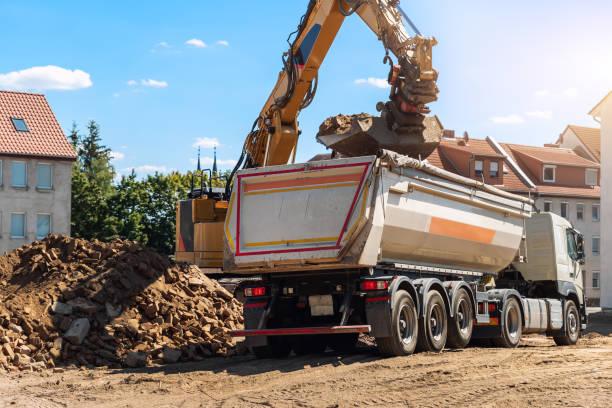
Importing industrial machinery into Nigeria involves more than shipping equipment from another country. Before your machines can reach your factory, construction site, or warehouse, they must pass through customs clearance, documentation checks, and applicable regulatory procedures.
For businesses importing generators, manufacturing equipment, agricultural machines, or construction machinery, delays at the border can disrupt projects and increase expenses.
Understanding how machinery import border clearance in Nigeria works helps importers prepare the right documents, estimate costs, and arrange transportation before their equipment arrives.
What Happens When Imported Machinery Arrives in Nigeria?
Most heavy machinery enters Nigeria through major seaports, particularly Apapa and Tin Can Island in Lagos. Some equipment also arrives through Onne Port in Rivers State, while smaller machinery and spare parts may enter through international airports.
Once machinery arrives, the importer or licensed customs agent must complete the necessary clearance procedures before the equipment can leave customs control.
These typically involve:
- Submitting import documentation through the applicable customs system.
- Confirming the machinery’s Harmonised System (HS) classification.
- Paying applicable customs duties, taxes, and charges.
- Completing customs examination or scanning where required.
- Obtaining customs release and arranging terminal collection.
Importers should also confirm whether their equipment requires SONCAP documentation, an exemption, or another regulatory approval.
Documents You Should Prepare Before Shipping Machinery
Incomplete documentation is a common reason imported equipment remains at the port longer than expected.
Before shipping, confirm that you have the appropriate documents, including:
- Commercial invoice showing equipment specifications and value.
- Packing list detailing machinery components and quantities.
- Bill of lading or airway bill.
- Form M and applicable import documentation.
- PAAR or other customs assessment documentation required under the applicable process.
- Relevant regulatory certificates or exemptions.
Used machinery may require additional attention because customs officers can examine its declared value, age, condition, and classification.
Working with an experienced clearing agent before shipment helps identify documentation problems early.
How Much Does Machinery Customs Clearance Cost?
The cost of clearing machinery depends on its classification, customs value, shipment size, and applicable taxes.
For example, importing a ₦20 million industrial machine does not automatically mean paying a fixed percentage as the total clearance cost.
Expenses may include customs duty, VAT where applicable, terminal handling, shipping-line charges, customs brokerage, storage, and inland transportation.
Heavy equipment may also require cranes, low-bed trailers, or specialised loading arrangements.
Request a detailed cost breakdown before shipment rather than relying on a general clearance estimate.
How Long Does Machinery Clearance Take at Nigerian Ports?
Clearance timelines depend on documentation accuracy, customs processing, inspections, terminal operations, and payment confirmation.
A properly documented shipment may move through clearance within several working days, while shipments requiring additional examination or regulatory clarification can take considerably longer.
For machinery arriving at Apapa, importers should also consider truck scheduling, terminal access, and traffic conditions around the port.
These factors can affect delivery even after customs release.
Moving Cleared Machinery From Lagos to Your Project Site
Customs release is only part of the process. Machinery must still reach its final destination safely.
A manufacturer receiving equipment in Ogun State may need a flatbed truck, while a construction company transporting an excavator to Abuja may require a low-bed trailer and route planning.
Before arranging transport, confirm the machinery’s weight, dimensions, lifting requirements, and unloading arrangements.
Travo.ng can help businesses coordinate suitable cargo logistics and transportation arrangements for machinery movement within Nigeria, subject to equipment specifications and service availability.
Arrange Machinery Import Logistics With Travo.ng
Successful machinery imports depend on preparation, accurate documentation, and reliable delivery coordination.
Whether your equipment is arriving through Lagos or another Nigerian port, confirm customs requirements with a licensed clearing agent before shipping.
For machinery transportation, cargo handling coordination, and business logistics support, contact Travo.ng to discuss your shipment, delivery location, and equipment requirements.
Proper planning can reduce avoidable delays and help your machinery reach its destination ready for installation or use.
