


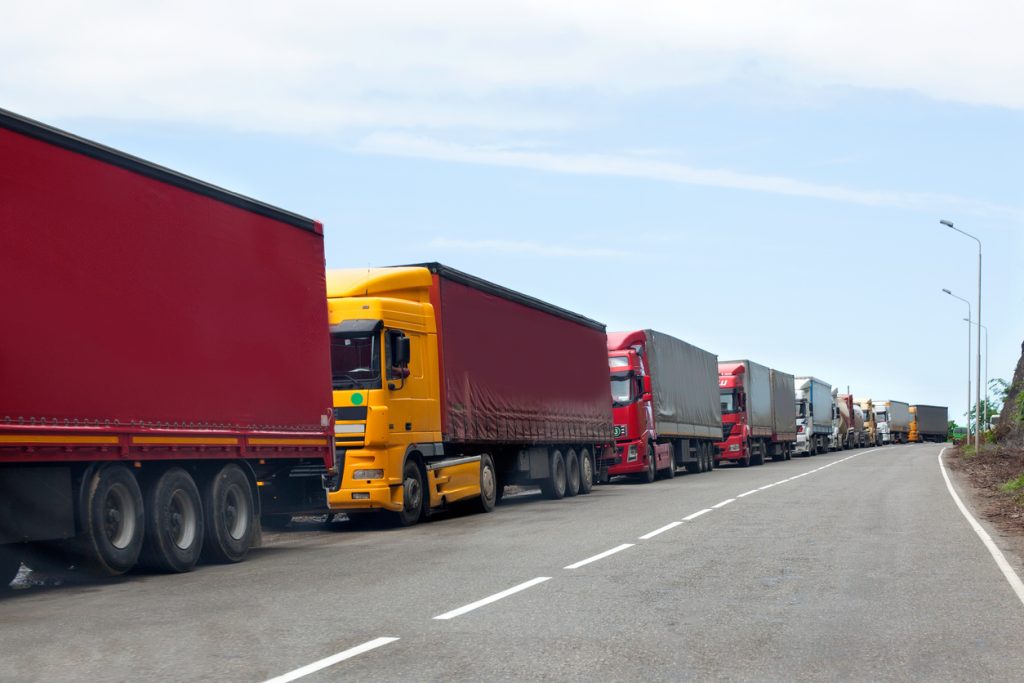
Importing an excavator, bulldozer, crane, or industrial generator into Nigeria involves more than arranging a truck to collect it. Customs documentation, equipment classification, import duties, and border inspections can delay delivery before the machinery reaches your project site.
Understanding heavy equipment border customs in Nigeria helps contractors, construction companies, and equipment dealers avoid expensive mistakes.
Whether your machinery is arriving through Seme Border from Benin Republic or entering through Lagos ports, proper preparation makes a significant difference.
What Customs Officers Check Before Releasing Heavy Equipment
The Nigeria Customs Service examines imported machinery to establish its identity, declared value, classification, and compliance with applicable import requirements.
For equipment arriving through a land border, customs officers may verify the machine’s serial number, manufacturing details, invoice value, and supporting shipping documents.
Importers should prepare:
- Commercial invoice showing the equipment description and value
- Bill of lading or applicable road transport documentation
- Packing list where applicable
- Relevant import declaration and customs documentation
- Form M and PAAR where required
- Equipment identification details and supporting certificates where applicable
Missing or inconsistent information can lead to additional examination, valuation queries, and clearance delays.
How Much Does It Cost to Clear Heavy Machinery in Nigeria?
There is no single customs clearance price for every excavator, forklift, or industrial crane.
The amount payable depends on the equipment’s Harmonised System (HS) classification, customs value, applicable duty rate, VAT, and other statutory charges.
For example, an importer purchasing a used excavator for $45,000 should not assume that customs charges will be calculated solely on the purchase price.
Freight, insurance, customs valuation rules, and the applicable exchange rate may affect the assessment.
Before purchasing machinery abroad, request a classification and landed-cost estimate from a licensed customs agent.
This helps prevent situations where equipment arrives at the border but cannot be released because the importer underestimated clearance expenses.
Moving Heavy Equipment Through Seme and Other Nigerian Borders
The Seme border corridor is relevant to machinery transported from Benin Republic into southwestern Nigeria.
However, moving oversized equipment through this route requires careful planning.
A low-bed trailer carrying a bulldozer may face difficulties with road clearance, turning space, axle-load restrictions, and inspection arrangements.
Importers should confirm that their intended border crossing permits the particular import movement and that all customs requirements can be satisfied.
For machinery heading to Ogun State, Lagos, or construction locations farther inland, transport arrangements should be confirmed before customs release.
This prevents unnecessary storage charges and delays after clearance.
Common Mistakes That Delay Equipment Clearance
One costly mistake is describing machinery too generally on import documents.
For example, declaring an excavator simply as “construction equipment” without adequate specifications can create classification questions.
Other avoidable problems include:
- Using inconsistent equipment serial numbers
- Underestimating customs duties and taxes
- Arranging unsuitable trailers
- Failing to verify import restrictions
- Booking transport before confirming clearance readiness
Used machinery deserves particular attention because its condition, specifications, and declared value may require additional verification.
How Travo.ng Supports Heavy Equipment Transportation
Customs clearance is only one part of bringing industrial machinery into Nigeria. Once released, the equipment must reach its destination safely.
Travo.ng provides a practical starting point for businesses seeking cargo logistics and transport coordination.
Contractors can enquire about heavy-equipment movement, suitable vehicle arrangements, collection planning, and delivery coordination from border locations or logistics terminals to project sites.
For example, transporting machinery from the Lagos area to a construction project in Ibadan requires attention to loading equipment, trailer suitability, route conditions, and unloading arrangements.
Customs declarations and statutory clearance should remain with appropriately licensed professionals.
Get Your Machinery Moving Without Unnecessary Delays
Successful heavy equipment border customs in Nigeria starts with accurate documentation, realistic cost estimates, and transport planning.
Before shipping, confirm the equipment classification, applicable customs requirements, and delivery arrangements.
For cargo movement and logistics coordination after clearance, contact Travo.ng to discuss your equipment transportation needs and available service options.
