


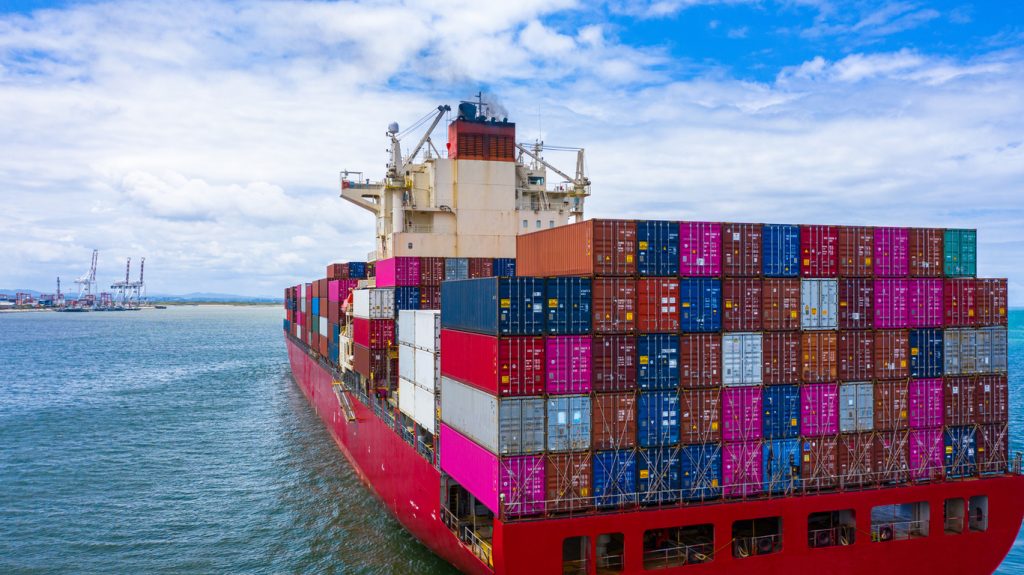
Clearing a full container in Nigeria involves more than paying customs duty and waiting for cargo to leave the port. Importers also have to manage documentation, customs assessment, terminal handling, possible inspections, container release, trucking, and delivery to the final destination.
For businesses importing machinery, building materials, consumer goods, equipment, or wholesale stock, delays can quickly become expensive. A container that remains at the terminal longer than planned may attract storage charges, while late return of the empty box can create additional shipping-line costs.
That is why reliable FCL container clearing Nigeria support should cover the entire movement, not only the customs process.
What Happens When an FCL Container Arrives in Nigeria
FCL means Full Container Load. Instead of sharing container space with other importers, one consignee uses the entire 20-foot or 40-foot container.
When the vessel arrives at a port such as Apapa or Tin Can Island in Lagos, several steps normally take place before the container can leave the terminal.
These may include:
- confirming the shipping and import documents
- processing customs declarations
- paying applicable duties and charges
- completing examination or scanning where required
- obtaining terminal and shipping-line releases
- arranging a suitable truck
- moving the container to the customer’s warehouse or delivery point
- returning the empty container where applicable
Problems at any one of these stages can affect the entire clearance timeline.
Documents That Can Hold Up Your Container
Many clearing delays begin before the vessel even reaches Lagos.
Commercial invoices, packing lists, bills of lading and other import documentation should be checked carefully before clearance starts. Differences in cargo descriptions, quantities, values or consignee information can lead to additional queries.
Importers should also ensure that any permits or product-specific documentation required for the shipment are available.
Waiting until the container is already at the terminal before correcting paperwork can increase storage costs unnecessarily.
Travo.ng can support businesses with cargo logistics coordination so that documentation, clearing arrangements and onward transportation are planned as one process.
How Long FCL Container Clearing Can Take
There is no single clearance timeline that applies to every shipment.
A straightforward container with complete documentation may move relatively quickly, while another shipment may face delays because of customs examination, documentation discrepancies, terminal congestion or release issues.
Businesses should therefore avoid planning warehouse operations around an unrealistically exact clearance date.
During busy import periods, especially towards the end of the year, port activity and trucking demand can also increase.
A practical logistics plan should include some flexibility for port conditions.
The Cost Is More Than Customs Duty
When budgeting for FCL container clearing Nigeria, importers should look beyond duty alone.
Other possible costs may include terminal charges, documentation fees, shipping-line charges, examination-related expenses, trucking and container deposits.
Storage and demurrage can become particularly painful when clearance takes longer than expected.
For example, a business importing stock into Lagos may successfully clear customs but still lose money if it takes several extra days to secure transport from the terminal.
This is why clearing and inland movement should be coordinated early.
Moving Containers From Lagos Ports to Warehouses
Container evacuation is another important part of the job.
A 40-foot container cannot simply be placed on any available vehicle. The truck must be suitable for the load, properly scheduled for terminal access and coordinated with the receiving location.
For deliveries around Lagos, traffic conditions can significantly affect movement from Apapa and Tin Can.
For interstate cargo going towards Abuja, Ibadan, Benin, Onitsha, Kano or other commercial centres, route planning and receiving arrangements become even more important.
Travo.ng provides transport coordination and cargo logistics support that can help businesses manage this stage without separating clearing from the actual delivery requirement.
Avoid These Common FCL Clearing Mistakes
One expensive mistake is starting the clearing process without confirming that all required documents are ready.
Another is treating trucking as something to arrange only after the container has been released.
Importers should also avoid ignoring possible storage or container-return deadlines. A shipment can be cleared successfully and still generate avoidable charges because the empty container was returned late.
Before shipping, businesses should understand:
- what documents will be required
- likely customs and terminal processes
- expected clearing costs
- how the container will leave the port
- where it will be delivered
- how the empty container will be returned
Planning these details together reduces last-minute problems.
Get FCL Container Clearing and Logistics Support With Travo.ng
Businesses importing full containers need a logistics partner that understands what happens after the vessel arrives.
Travo.ng can support FCL container clearing Nigeria requirements together with cargo logistics, transport coordination and delivery arrangements.
Whether the container contains commercial stock, equipment, machinery or other business cargo, the goal is to coordinate the process from port clearance through final delivery with fewer avoidable delays.
Businesses can also use related Travo.ng services for interstate cargo movement, business logistics support, transport arrangements and other delivery needs across Nigeria.
For your next full-container shipment, contact Travo.ng early so the clearing and transportation plan can be prepared before the cargo reaches the port.
