


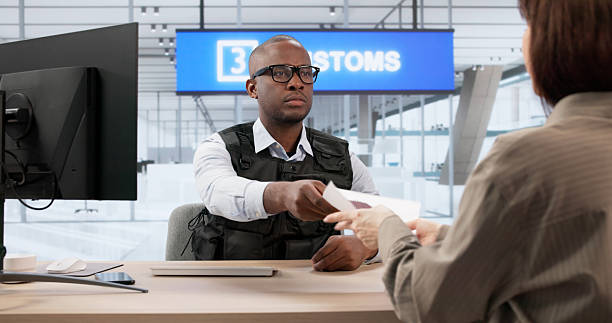
If you import goods through Apapa Wharf, Tin Can Island, or Murtala Muhammed Airport cargo terminal, one of the most common but underestimated clearance problems is a customs document discrepancy in Nigeria.
This is different from missing documents. In this case, all documents are available—but they do not perfectly match. The invoice says one thing, the packing list says another, and the shipping documents may show slight variations in description, quantity, or value. Customs immediately treats this as a compliance risk.
In simple terms, customs document discrepancy means inconsistencies exist between import documents that prevent smooth verification and clearance.
What Customs Document Discrepancy Means in Nigeria Import Process
A customs document discrepancy occurs when there is a mismatch between key import documents used for clearance.
It is reviewed by:
Nigeria Customs Service
Customs checks consistency across:
- Commercial invoice
- Packing list
- Bill of lading or airway bill
- Form M and PAAR documents
- Product descriptions and values
If any detail conflicts, clearance is delayed until clarification is provided.
Common Types of Document Discrepancies in Nigeria Imports
Most discrepancies fall into predictable categories:
1. Quantity Mismatch
Number of cartons or units differs between invoice and packing list.
2. Value Inconsistency
Declared shipment value does not match supporting invoice details.
3. Description Differences
Product names or specifications vary across documents.
4. Weight or Measurement Variations
Gross or net weight differs from shipping records.
5. Consignee or Shipper Errors
Names or addresses not aligned across documents.
6. HS Code or Classification Differences
Tariff classification does not match product description.
What Happens When Customs Detects Document Discrepancy
Once a discrepancy is identified, customs may:
- Place cargo on hold for verification
- Request clarification or corrected documents
- Initiate physical inspection of cargo
- Reassess import duty value
- Delay final clearance approval
At this point, even small inconsistencies can slow down the entire shipment.
For importers supplying Lagos markets like Alaba International Market, Ladipo, or Ikeja, delays can directly affect sales cycles and customer delivery commitments.
Why Customs Document Discrepancies Are So Common in Nigeria
These issues happen frequently because of:
1. Poor Document Coordination
Different parties prepare documents separately without alignment.
2. Supplier Inconsistencies
Exporters using different formats or descriptions.
3. Manual Data Entry Errors
Small mistakes in numbers or product descriptions.
4. Multi-Stage Shipping Chains
Transshipment introduces documentation changes.
5. Rush Processing Before Shipment
Documents prepared under time pressure.
Why Small Discrepancies Become Big Clearance Issues
Even minor mismatches matter because:
- Customs relies on full document consistency
- Valuation and duty calculation depend on exact data
- Repeated discrepancies raise compliance suspicion
- Documentation inconsistency can trigger audit review
What looks like a small error can slow down the entire import process.
Products Most Affected by Document Discrepancies
Some cargo types are more sensitive:
- Electronics and mobile devices
- Automotive spare parts
- Industrial machinery
- Fashion and textile goods
- Pharmaceutical products
- Mixed commercial shipments
These goods require precise documentation due to strict classification rules.
The Real Impact on Importers in Nigeria
Customs document discrepancies can lead to:
- Clearance delays at port or airport
- Increased demurrage and storage charges
- Unexpected duty reassessment
- Cargo inspection or re-verification
- Cash flow disruption due to delayed goods
- Supply chain delays across distribution networks
Even short delays can affect business performance significantly.
How Importers Prevent Customs Document Discrepancies
Experienced importers reduce risk by:
- Standardizing documentation across suppliers
- Cross-checking invoice, packing list, and shipping documents
- Confirming HS codes before shipment
- Reviewing all documents before submission
- Using experienced clearing agents for verification
Consistency across all documents is the strongest protection.
How Travo.ng Supports Importers After Clearance Delays
While customs document discrepancies affect clearance, logistics becomes important once goods are finally released.
This is where Travo.ng supports importers and businesses across Nigeria.
Travo.ng helps manage:
- Cargo pickup after customs clearance
- Nationwide delivery of imported goods
- Interstate logistics for commercial cargo
- Airport and port distribution support
- Reliable last-mile delivery across Nigeria
So even when documentation issues delay release, Travo.ng ensures goods move quickly once cleared.
Final Insight
Customs document discrepancies in Nigeria are often caused by small inconsistencies across import paperwork, but they can lead to serious clearance delays and extra costs. Since customs depends on exact alignment between all documents, even minor mismatches can slow down cargo release. Importers who maintain strict document consistency across all shipments avoid unnecessary delays and financial losses.
