

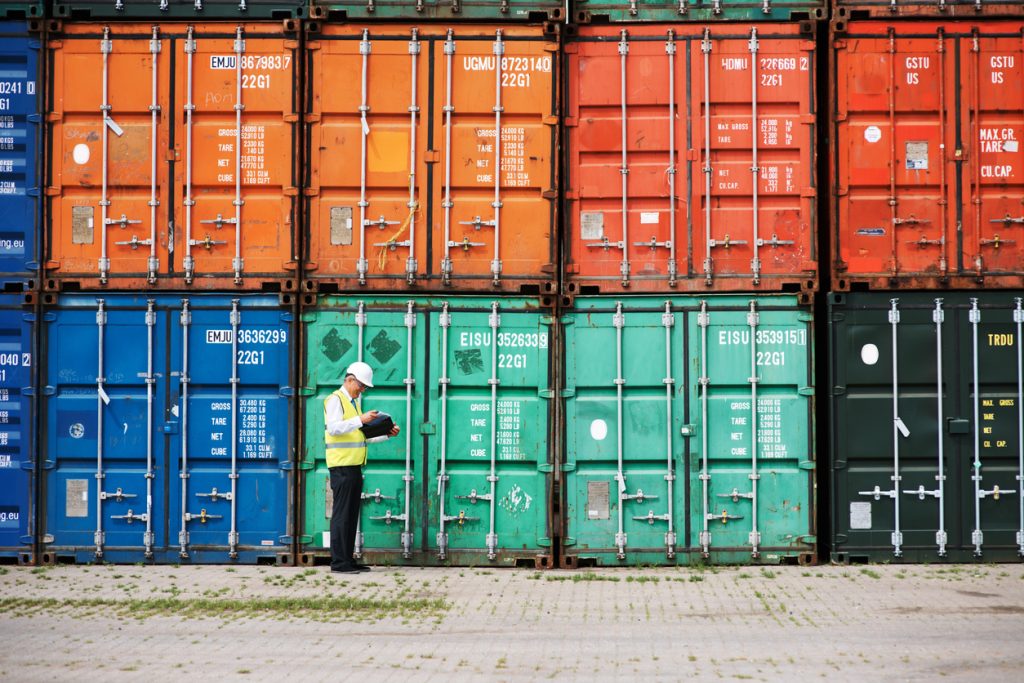
Getting imported goods into Nigeria is only half the job. Your cargo still needs to pass customs checks, leave the border or port, and reach its final destination without unnecessary delays or unexpected expenses.
For businesses importing products from China, Ghana, Benin Republic, or other international markets, arranging border clearing and inland delivery in Nigeria requires proper documentation, reliable transport, and careful coordination.
Whether your shipment arrives through Apapa Port, Tin Can Island Port, Seme Border, or Murtala Muhammed International Airport, understanding the clearing and delivery process can save you considerable time and money.
What Happens When Your Goods Arrive at a Nigerian Border?
Imported goods cannot simply be loaded onto a truck and transported to your warehouse. They must first complete the applicable customs procedures.
The process generally involves checking shipping documents, confirming the classification and value of goods, assessing applicable duties, and obtaining customs release.
Common documents include:
- Commercial invoice showing the goods and their value
- Packing list detailing shipment contents
- Bill of lading or airway bill
- Form M and PAAR where applicable
- Relevant product permits or regulatory approvals
Depending on the cargo, agencies such as NAFDAC or the Standards Organisation of Nigeria may have additional requirements.
Missing or inconsistent documentation can delay clearance and increase storage or demurrage charges.
Moving Cleared Cargo From Lagos Ports to Other States
Once customs releases your shipment and the terminal completes its release procedures, inland transportation becomes the next priority.
Businesses frequently move imported goods along routes such as Lagos to Ibadan, Lagos to Abuja, Lagos to Benin City, and Lagos to Onitsha.
The appropriate vehicle depends on cargo weight, dimensions, packaging, and delivery location.
For example, a business importing electrical appliances through Tin Can Island may require a covered truck to protect its products during transportation to Abuja.
A company receiving industrial equipment may need a flatbed truck, lifting equipment, or specialised heavy-duty transportation.
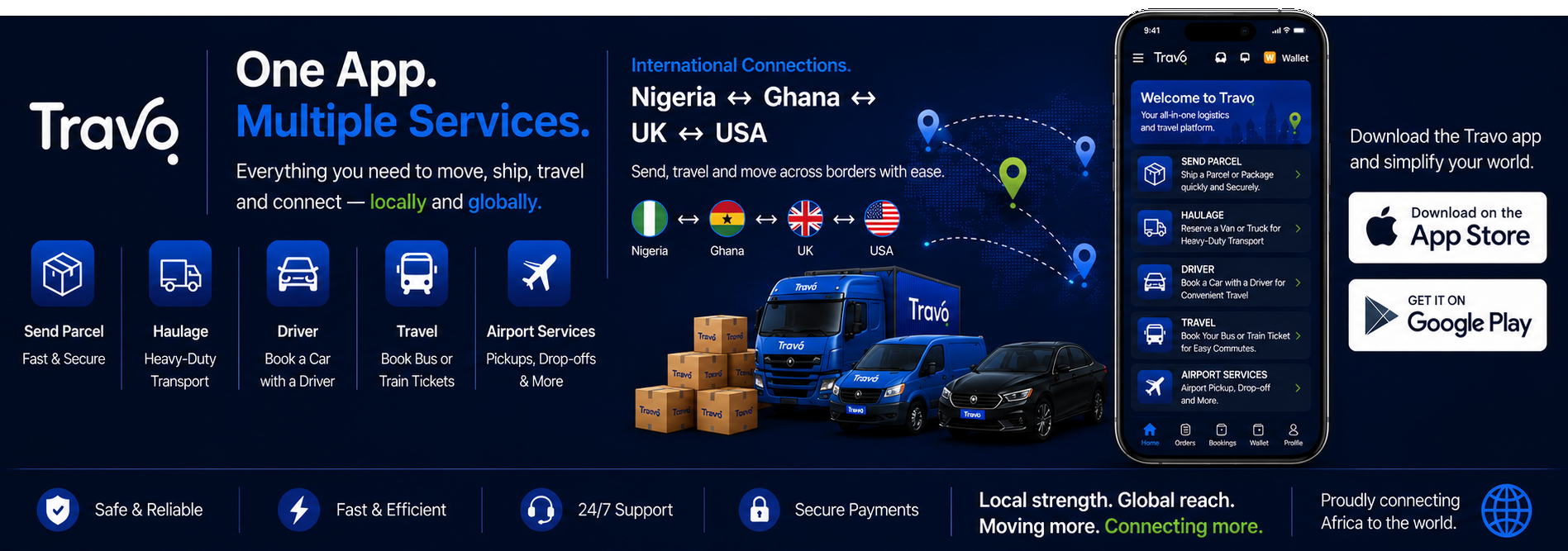
Travo.ng can serve as a practical contact point for arranging cargo logistics and inland transport coordination based on shipment requirements and service availability.
How Long Does Border Clearing and Inland Delivery Take?
Delivery timelines depend on customs processing, documentation accuracy, cargo inspections, terminal congestion, and road conditions.
After cargo release, road transportation from Lagos to Ibadan may take several hours, while delivery to Abuja can require a full day or longer, depending on loading arrangements and traffic.
Clearing itself may take several days or longer when documentation issues, regulatory checks, or examinations arise.
Importers should avoid promising customers a delivery date before confirming that their cargo has been released.
Avoiding Unexpected Clearing and Transportation Charges
The cheapest initial quotation does not always represent the lowest total shipping cost.
Before approving a clearing and delivery arrangement, request a breakdown covering customs duties, applicable taxes, agency fees, terminal charges, clearing-agent fees, haulage, and unloading.
Confirm whether the quotation includes delivery to your actual warehouse or only transportation to a nearby logistics terminal.
Also ask about waiting-time charges, vehicle accessibility, and responsibility for cargo handling.
These details are particularly important for businesses receiving large shipments at warehouses in Lagos, Ogun State, or other commercial centres.
Arrange Your Inland Cargo Delivery With Travo.ng
Coordinating customs clearance and onward transportation separately can create avoidable communication gaps.
For importers, wholesalers, manufacturers, and distributors, working with dependable logistics contacts helps keep cargo movement organised.
Travo.ng offers a convenient starting point for discussing cargo transportation, delivery coordination, and business logistics requirements in Nigeria.
For customs-related shipments, confirm the availability of licensed clearing support and the documentation required before committing.
Need help moving imported goods from a Nigerian port or border to your business location?
Contact Travo.ng to discuss your shipment details, destination, vehicle requirements, and available logistics arrangements. Planning your delivery before cargo release can help reduce delays and keep your supply chain moving.
