


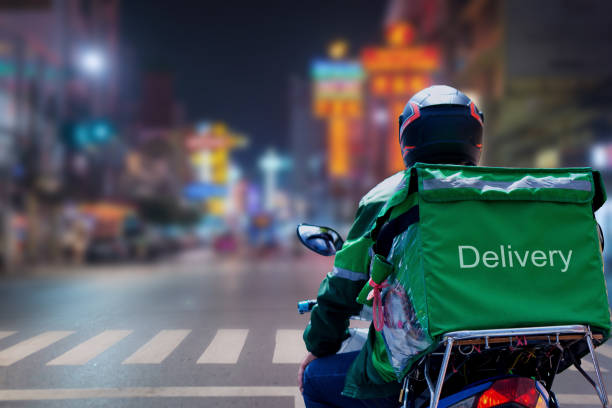
Flooding can cut off roads, delay deliveries and leave homes, businesses and communities without essential supplies. Food, drinking water, medicine, clothing, fuel and emergency equipment may still need to move even when regular vehicles cannot reach the destination.
Knowing how to deliver supplies during flooding requires more than finding any available driver or boat. The delivery must be planned around the water level, road condition, type of cargo, weather and safety of the people handling it.
In flood-prone parts of Lagos, Rivers, Bayelsa, Delta and other areas, combining road transport with boats may be the safest way to complete urgent deliveries.
Check the Route Before Dispatching Anything
The usual route may no longer be safe after several hours of rainfall. Roads can become deeper, currents may strengthen and open drains may be hidden beneath the water.
Before dispatching supplies, contact someone close to the destination and request current photos or videos. Confirm whether vehicles are still passing and identify the nearest dry landmark, jetty or accessible road.
Do not rely on information received earlier in the day. Flood conditions can change quickly.
Useful details include:
- The estimated depth of the water
- Whether the current is moving strongly
- The condition of access roads
- Available loading and unloading points
- Nearby bridges, jetties or dry areas
- Whether the receiver can meet the delivery team
A driver should never be pressured to enter water when the road surface is no longer visible.
Choose Transport Based on the Final Access Point
A motorcycle may work for light supplies where roads are wet but still passable. Vans and pickup trucks can carry larger quantities to a safe transfer point.
When the final destination is surrounded by deep water, a suitable boat may be required. The road vehicle can carry supplies to a waterfront location, where the items are transferred for the last part of the journey.
For example, cartons of food moving from Ikeja to a flooded community in Lekki may travel by van to an accessible jetty before being loaded onto a boat. In riverine areas of Bayelsa or Rivers State, water transport may handle most of the trip.
The boat must have enough capacity for the cargo and passengers without becoming overloaded.
Pack Supplies to Survive Water Exposure
Ordinary cardboard packaging may fail quickly when exposed to rain or splashes. Essential items should be protected before leaving the pickup point.
Medicine, documents, phones and electrical equipment should be sealed in waterproof bags or containers. Food should be packed securely to prevent contamination.
Clothing and bedding can be placed inside thick plastic bags before being loaded into stronger outer sacks. Bottled water and canned food should be arranged so they do not roll around during boat movement.
Heavy supplies should be positioned low and distributed evenly. Fragile goods must not be placed underneath fuel containers, generators or metal equipment.
Prioritise What Must Go First
When transport space is limited, supplies should be arranged by urgency rather than convenience.
Priority items may include:
- Prescription medicine and first-aid supplies
- Clean drinking water
- Ready-to-eat food
- Baby food, nappies and sanitary products
- Clothing, blankets and footwear
- Torches, batteries and communication equipment
- Fuel or backup power equipment
Keep a clear list of what was loaded and who should receive it. This is especially important when supplies are being delivered to several families or distribution points.
Keep the Delivery Team Informed
The sender, driver, boat operator and receiver should all have the same route and contact information.
Share the vehicle details, expected transfer point and estimated arrival window. Where mobile service is unreliable, agree on alternative meeting points before departure.
Allow extra time for loading and route changes. A flooded-area delivery should not be planned around an unrealistic same-hour deadline.
Every person travelling by boat should wear a life jacket. Night deliveries should be avoided where possible because submerged objects and strong currents are harder to detect in darkness.
Arrange Flood Delivery Support With Travo.ng
Understanding how to deliver supplies during flooding helps reduce delays, damaged goods and unsafe transport decisions. The safest plan may involve motorcycles, vans, trucks, boats or a combination of different options.
Travo.ng helps individuals, businesses and organisations coordinate emergency deliveries, boat transport, vehicle hire and cargo movement across affected locations in Nigeria.
With accurate route information, waterproof packaging and suitable transport, essential supplies can reach people safely even when normal road access has been disrupted.
