


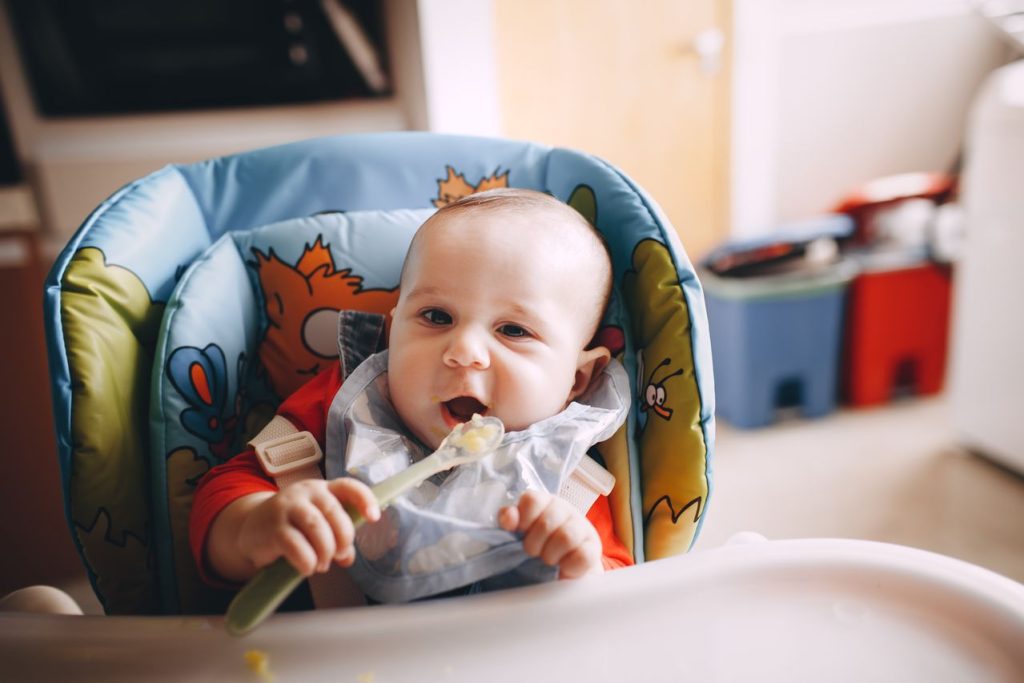
Flooding can quickly disrupt access to supermarkets, pharmacies and local markets. For households with babies and young children, the situation becomes more urgent because infant formula, baby cereal, bottled water and feeding supplies cannot always be replaced with ordinary household food.
Reliable baby food delivery during flooding helps parents and caregivers receive essential supplies when nearby roads are blocked or movement has become unsafe. The delivery may involve motorcycles, suitable vehicles, boats or a combination of transport methods, depending on the location and water level.
Proper planning is important because delays, damaged packaging or poor handling can make baby food unsafe to use.
Confirm Exactly What the Baby Needs
Before arranging a delivery, prepare an accurate list of the required items. Baby products often look similar, but a wrong brand, age range or formula type may not be suitable for the child.
Useful details include:
- Product name and brand
- Baby’s age range
- Tin, sachet or carton size
- Required quantity
- Preferred flavour where applicable
- Feeding bottles or disposable spoons
- Bottled water needed for preparation
- Any known allergies or dietary restrictions
Parents should send clear photos of the correct products where possible. This reduces the risk of a shopper purchasing the wrong stage of formula or a different cereal during an emergency.
How Flooded Roads Affect Delivery Planning
A normal 30-minute delivery may take several hours during serious flooding. Routes through areas such as Lekki, Ajah, Ikorodu, parts of Ogun State or riverine communities may become inaccessible to small cars.
The delivery coordinator needs to confirm where the road remains passable and whether the recipient can meet the rider or driver at a safe pickup point.
In some cases, the journey may be divided into stages. A vehicle may carry the supplies to the nearest accessible waterfront, while a boat completes the final movement to the affected neighbourhood.
Travo.ng can help coordinate these different stages, including shopping assistance, road transport, boat movement and final delivery.
Protecting Baby Food From Water and Contamination
Floodwater may contain sewage, fuel, chemicals and other contaminants. Even sealed products should not be carried loosely where they can fall into dirty water.
Baby food and feeding supplies should be packed inside waterproof bags or sealed plastic containers. Formula tins, cereal cartons and bottled water should be kept upright and separated from fuel, cleaning products or other strong-smelling items.
The outer package should also include the recipient’s name, phone number and delivery location. Where several households are receiving supplies, each order should be packed and labelled separately to prevent mix-ups.
Products with damaged seals, soaked labels or dented containers should not be handed over without informing the recipient.
Timing the Delivery Before Supplies Run Out
Parents should not wait until the final feeding portion is finished before requesting help. Flood conditions can worsen, available boats may become limited, and shops may run out of popular baby products.
Where possible, arrange delivery while there is still enough food for at least one or two days. This gives the logistics team time to source the correct items and choose the safest route.
Caregivers should also provide an alternative contact person in case phone networks become unreliable. A nearby neighbour, security officer or estate representative may be able to receive the package if the main recipient cannot reach the pickup point.
Questions to Ask Before Confirming the Delivery
The delivery provider should clearly explain how the supplies will be moved and what happens if the original route becomes unsafe.
Ask whether:
- The driver or boat operator understands the area
- Waterproof packaging is available
- The delivery fee includes multiple transport stages
- Real-time updates will be provided
- The recipient must meet the courier at a nearby location
- A replacement plan exists if the route closes
- Emergency deliveries can be handled after normal business hours
The cheapest option may not be the most reliable when a baby’s essential food supply is involved.
Coordinate Baby Food Delivery With Travo.ng
Arranging baby food delivery during flooding requires fast communication, careful product selection and transport suited to the affected area. The priority is to deliver the correct supplies without exposing them to contaminated water or unnecessary delays.
Travo.ng helps families, organisations and community support teams coordinate shopping, courier services, emergency deliveries, vehicle hire and boat transport across flood-affected locations.
By sharing complete product details and requesting help early, parents can reduce uncertainty and keep essential feeding supplies available until normal access is restored.
