


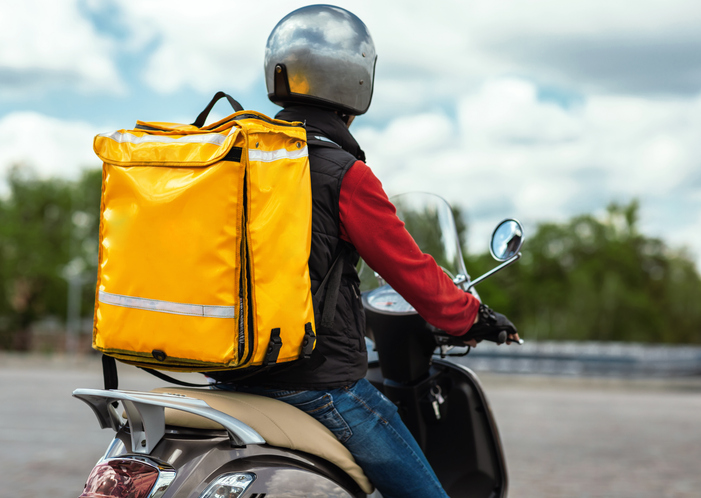
Heavy rainfall can disrupt food delivery across Lagos within a short time. Roads that are normally manageable may become waterlogged, traffic can slow to a standstill, and some estates may become difficult for motorcycles or cars to enter.
For households, restaurants, supermarkets and offices, arranging food delivery during flooding in Lagos requires more planning than placing a normal order and expecting the usual arrival time. The delivery method, packaging, route and pickup point all need to match the conditions on the ground.
With the right preparation, essential meals and groceries can still reach customers without exposing riders, drivers or the food itself to unnecessary risk.
Why Normal Delivery Times May No Longer Apply
A trip that usually takes 30 minutes can take two hours during heavy rain. Flooding around locations such as Lekki, Ajah, Victoria Island, Ikoyi, Surulere and parts of the Lagos mainland can force riders to avoid familiar shortcuts.
Traffic also builds up when vehicles slow down around deep water or when a major road becomes partially blocked. In some areas, delivery riders may need to stop at a safer meeting point because they cannot enter the customer’s street.
Customers should expect realistic updates instead of relying on ordinary delivery estimates. Ordering before the rain becomes severe can also reduce delays, particularly for cooked meals and temperature-sensitive groceries.
Packaging Must Protect Food From Water and Delays
Food packaging that works on a dry day may fail during heavy rain. Paper bags can weaken, takeaway containers may open when handled repeatedly, and exposed cartons can absorb dirty floodwater.
Cooked meals should be placed in tightly sealed containers before being packed into waterproof delivery bags. Soups, stews and drinks need extra protection because even a small leak can damage the rest of the order.
Groceries such as bread, rice, cereal and baby food should be kept away from wet surfaces. Frozen products require insulated packaging if traffic delays are likely.
Restaurants and food vendors should also separate hot meals from cold items. Proper packaging protects food quality and reduces complaints when the delivery journey takes longer than expected.
Choose a Safe Pickup Point Instead of Forcing Access
One of the biggest mistakes during flooding is insisting that a rider enter a road that is clearly unsafe. Floodwater can hide potholes, open drainage channels and damaged road surfaces.
Where access is difficult, the customer and delivery team should agree on a safe pickup point. This may be an estate gate, petrol station, shopping centre entrance or another visible location on higher ground.
Customers should provide clear directions and mention flooded sections before the rider leaves the vendor. A short video or recent photo of the road may help the delivery team decide whether a motorcycle, car or alternative transport arrangement is suitable.
In waterfront or heavily flooded communities, a combination of road and boat transport may sometimes be required.
How Food Businesses Can Keep Deliveries Running
Restaurants, caterers and supermarkets need a simple flood-response process rather than making new decisions for every order.
The business should identify areas that become difficult during rainfall and adjust delivery times accordingly. Staff should confirm access with the customer before dispatching the order.
It is also sensible to reduce the number of delicate or easily spoiled items sent on severely flooded routes. Bulk orders for offices, hotels or estates may require a car or van instead of several motorcycles.
Travo.ng can support food businesses with delivery coordination, vehicle hire and alternative transport arrangements where ordinary dispatch methods are no longer practical.
What Customers Should Do Before Ordering
Before requesting delivery, confirm that the vendor is open and that your location is accessible. Send a working phone number and stay available during the journey.
Customers should also avoid placing urgent orders at the height of a storm unless the food is genuinely essential. Ordering several household items together may be safer and more efficient than making multiple small requests.
For elderly people, families with young children or customers who cannot leave home, it helps to order basic supplies before forecast rainfall becomes severe. Bottled water, dry food, medication and ready-to-eat meals are easier to manage when arranged early.
Book Flood-Aware Delivery Support With Travo.ng
Reliable food delivery during flooding in Lagos depends on safe routing, secure packaging and clear communication between the vendor, delivery team and customer.
Travo.ng helps individuals and businesses coordinate food deliveries, grocery movement, vehicle hire and emergency logistics across Lagos. Where a standard motorcycle delivery is unsuitable, another transport option can be considered based on the road condition, order size and destination.
Planning the delivery around the flood situation helps protect the food, reduce delays and keep drivers and riders away from unsafe routes.
