


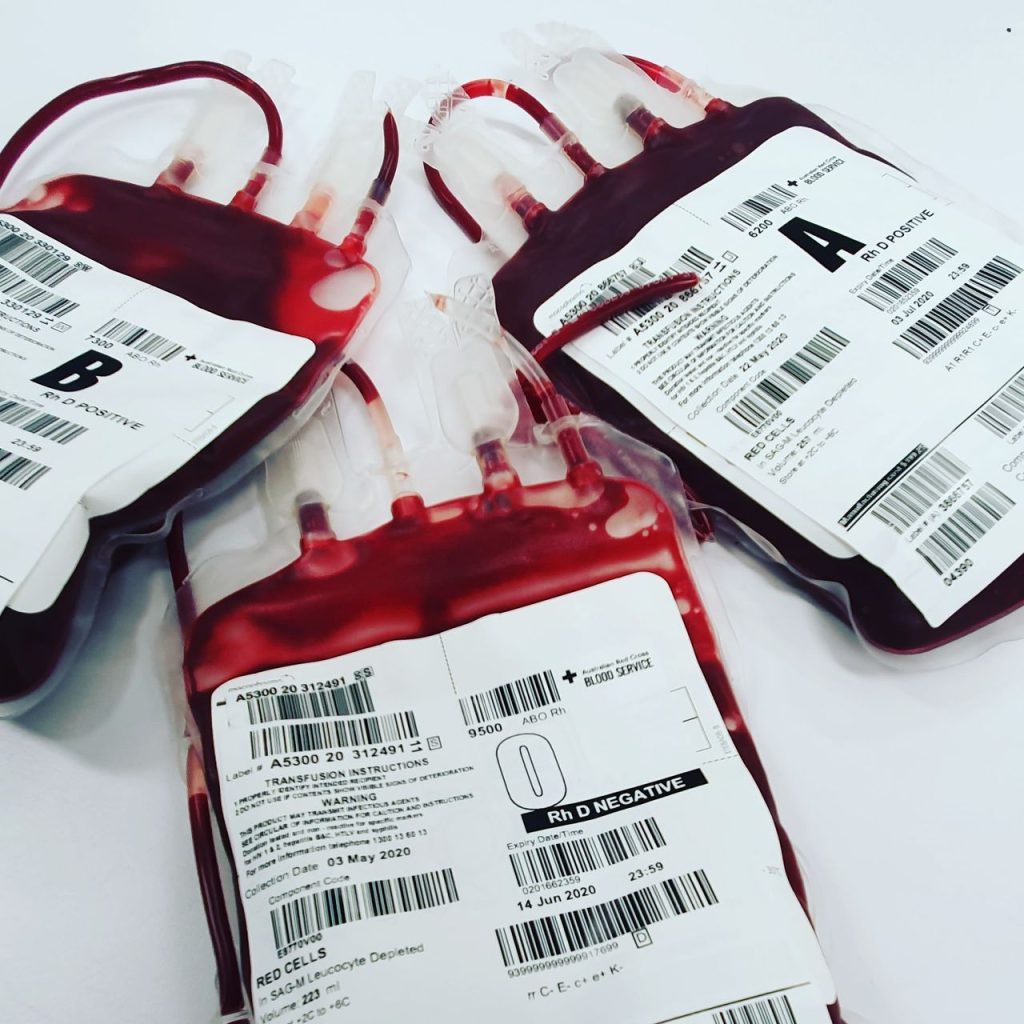
When a hospital urgently needs blood, delays can affect treatment, surgery schedules and patient outcomes. The challenge is not only finding the required blood type. It must also be collected from the right location, handled correctly and delivered to the receiving facility without unnecessary delay.
Reliable emergency blood transport in Nigeria helps hospitals, clinics, diagnostic centres and blood banks move blood and related medical products between approved facilities. This may involve a short delivery within Lagos or a longer trip between neighbouring cities where the required blood type is unavailable locally.
Because blood is temperature-sensitive and medically critical, it should never be treated like an ordinary parcel. The vehicle, packaging, timing and communication process all matter.
What Usually Causes Delays During an Urgent Request
A hospital may confirm that blood is available at another facility but still struggle to collect it quickly. The problem often starts when no driver has been assigned, the pickup address is unclear or the receiving team does not know exactly where to meet the courier.
Traffic can also create serious delays. A blood collection from Ikeja to a hospital in Lekki may take much longer during evening congestion, especially when the driver is not given the correct entrance or contact person.
Other common delays include incomplete documentation, poor communication between facilities, unsuitable packaging and waiting too long before arranging transport.
The best approach is to organise the movement immediately after availability is confirmed, rather than waiting until the patient’s condition becomes more critical.
Information Needed Before Dispatching a Driver
The transport coordinator needs clear instructions before the vehicle leaves. Missing information can result in repeated calls, wrong turns or refusal at the pickup point.
Provide the following:
- Name and address of the blood bank or hospital
- Receiving hospital and department
- Blood type and number of units
- Collection reference or authorisation details
- Pickup and receiving contact numbers
- Required delivery deadline
- Packaging instructions
- Any special handling requirements
The driver should also know whether identification, a collection note or payment confirmation will be required at the pickup location.
Where possible, one person should coordinate both facilities. This avoids conflicting instructions and makes it easier to track the delivery from collection to handover.
Blood Must Remain Within the Required Temperature Range
Blood products can become unsafe if exposed to unsuitable temperatures. They should be transported in approved medical coolers or validated cold-chain containers prepared by trained personnel.
The container should remain closed during the journey. Drivers should not add ordinary ice, remove internal packs or open the package to check its contents unless instructed by authorised medical staff.
The receiving facility should be ready before the delivery arrives so that the package is transferred immediately to the appropriate storage unit.
Travo.ng can support the transport coordination, but packaging and clinical handling instructions should come from the blood bank, laboratory or authorised medical facility.
Choosing the Fastest Practical Route
The shortest route on a map is not always the fastest route in Nigerian traffic. A driver moving blood from Yaba to Victoria Island may need to avoid a heavily congested section or use an alternative route recommended by the operations team.
For urgent interstate movements, road conditions and distance must be considered carefully. A transfer between Lagos and Ibadan may be possible by road, while a much longer movement may require air cargo coordination followed by immediate airport pickup.
The transport plan should consider:
- Current traffic conditions
- Road access to both facilities
- Expected collection time
- Delivery deadline
- Vehicle reliability
- Backup arrangements if the first driver is delayed
Clear route planning reduces avoidable stops and improves the chance of meeting the required timeline.
Mistakes That Can Compromise an Emergency Delivery
Using an unverified rider or driver without explaining the urgency is risky. The person may take another delivery, stop unnecessarily or handle the package carelessly.
Another mistake is sending the driver before the blood is ready. Waiting outside a hospital for an extended period can disrupt the delivery schedule and reduce the time available for transport.
The package should also never be left unattended, placed in direct sunlight or carried loosely on a motorcycle. It must remain secure and upright throughout the trip.
Hospitals and medical providers should keep records of dispatch time, collection time, delivery time and the person who received the package.
Coordinate Emergency Blood Transport With Travo.ng
Effective emergency blood transport in Nigeria depends on speed, clear communication and responsible handling. Every stage, from confirming availability to final handover, should be organised before the driver begins the trip.
Travo.ng helps hospitals, laboratories, blood banks and healthcare providers coordinate urgent medical deliveries, dedicated vehicles and airport pickup where necessary. The service can be arranged around the route, deadline and handling instructions provided by the authorised medical team.
With the correct packaging, reliable transport and active communication, blood can be moved between facilities quickly and with greater operational control.
