


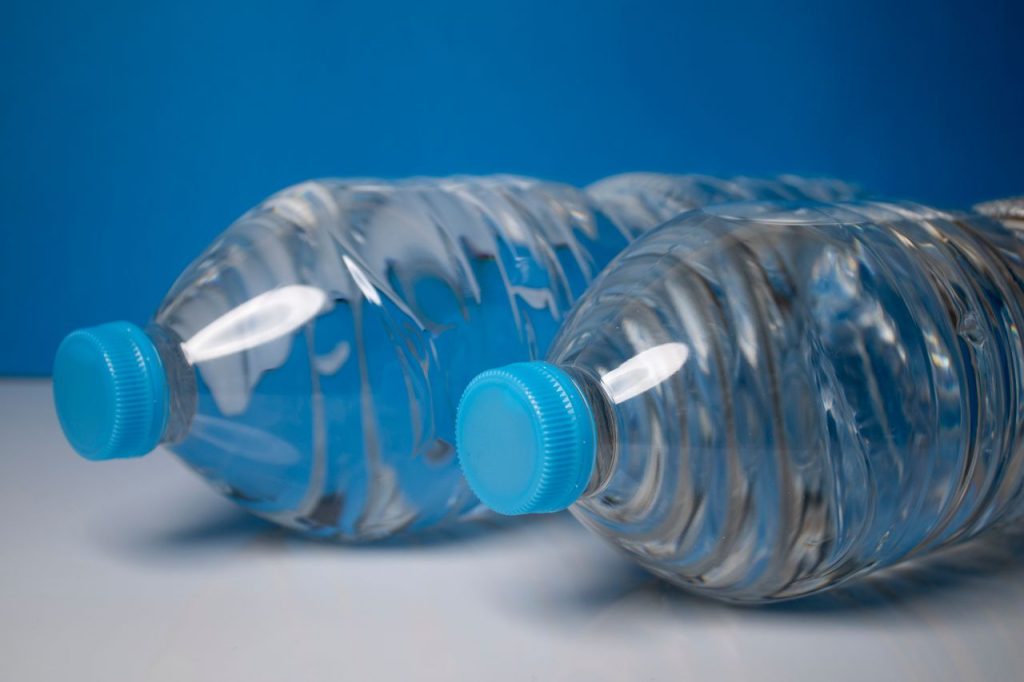
Flooding can cut entire communities off from clean drinking water within a few hours. Boreholes may become contaminated, public taps may stop working, and shops may be unable to restock because delivery vehicles cannot enter affected roads.
In these situations, bottled water delivery to flood victims becomes an urgent logistics need rather than an ordinary retail order. Relief teams, businesses, religious organisations, community groups and private donors need a reliable way to buy, transport and distribute water without creating confusion at the delivery point.
The main challenge is not simply finding bottled water. It is making sure the right quantity reaches the right location while routes, access points and local conditions are changing.
Work Out the Quantity Before Dispatch
Relief deliveries often fail because organisers estimate demand too loosely. Sending a few packs may help temporarily, but it may not support a large household or community for long.
Before booking a delivery, confirm:
- The estimated number of people
- How many days the water should cover
- Whether children, elderly people or patients are present
- The size of bottles or sachets required
- Whether water is needed for drinking only
- The available storage space at the location
For example, a relief centre supporting 100 people will need a very different supply plan from a family stranded in a flooded part of Lekki or Yenagoa.
It is also better to send water in manageable batches when storage space is limited. Large quantities left outside may be damaged by rain, mud or poor handling.
Flooded Roads Change the Delivery Plan
A normal van may not be able to complete the entire journey. In some areas, the water may need to move by truck to a safe transfer point, then by boat or smaller vehicle to the final destination.
This type of mixed transport is common when roads around riverine communities, low-lying estates or rural settlements become impassable.
The delivery plan should identify:
- The closest accessible road
- A safe unloading or transfer point
- Whether a boat is required
- The number of people available for offloading
- The best time to move before water levels rise
- Who will receive and confirm the delivery
Travo.ng can help coordinate road transport, boat movement and final delivery so relief supplies are not left stranded halfway.
Packaging Matters More During Flood Relief
Bottled water is heavy, especially when delivered in bulk. Weak cartons can collapse when exposed to rain, while loose packs can become difficult to count and distribute.
Water should be arranged in stable packs that can be lifted without tearing. Where boats are involved, the load must be balanced properly to avoid placing too much weight on one side.
Organisers should also avoid mixing bottled water carelessly with fuel, chemicals, dirty equipment or waste materials. Clean drinking water should remain sealed and protected throughout the trip.
A simple delivery record showing the number of packs loaded, transferred and received can prevent disputes and help donors account for what was delivered.
Avoid Creating Disorder at the Distribution Point
Even a well-planned delivery can become difficult if too many people gather around the vehicle or boat at once. A local contact should organise the receiving process before the shipment arrives.
For larger communities, distribution can be handled by household list, street section or relief-centre registration. This reduces crowding and helps ensure vulnerable people are not pushed aside.
The driver or boat operator should not be expected to manage the crowd alone. Their responsibility is to move the shipment safely. Local volunteers or relief coordinators should supervise sharing and keep the unloading area clear.
Timing Can Affect Whether the Water Arrives
During severe flooding, routes can close quickly. Heavy rainfall, rising currents and poor visibility may delay departure or make night movement unsafe.
Early morning delivery is often more practical because there is better visibility and more time to adjust the route if a road becomes blocked. Organisers should also remain reachable by phone and provide updated directions when access conditions change.
Where one delivery cannot meet the full demand, scheduled repeat trips may be safer than overloading a vehicle or boat.
Book Relief Water Delivery Through Travo.ng
Reliable bottled water delivery to flood victims requires proper sourcing, load planning, safe transport and clear coordination at the destination.
Travo.ng helps individuals, companies and relief organisations arrange bottled water movement, emergency deliveries, vehicle hire, boat transport and other logistics support across Nigeria.
By coordinating every stage of the journey, Travo.ng helps essential drinking water reach affected people faster, with less confusion and fewer avoidable delays.
