


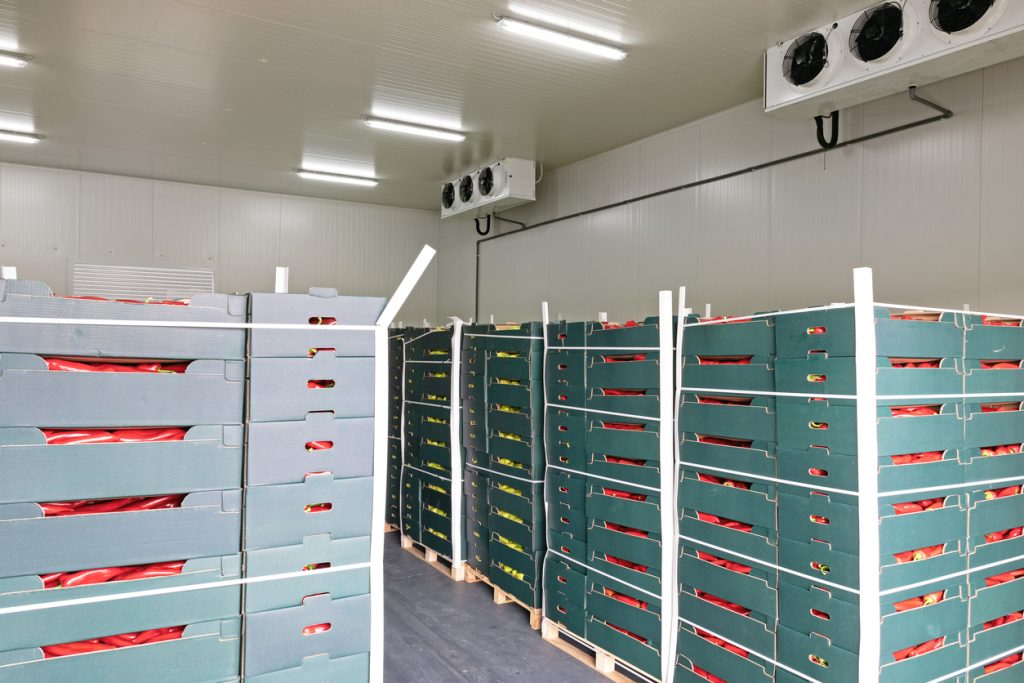
Keeping temperature-sensitive goods safe in Nigeria requires more than placing them inside a cold room. The products must remain within the correct temperature range from pickup and storage to final delivery. A short power failure, poor packaging or delayed transfer can damage an entire shipment before the problem becomes visible.
Reliable cold chain storage in Nigeria helps food businesses, pharmacies, hospitals, supermarkets and agricultural suppliers protect products that can spoil or lose quality when exposed to heat.
Travo.ng supports businesses that need practical coordination for refrigerated storage, temperature-controlled transport and scheduled deliveries across Nigeria.
What Products Usually Need Temperature-Controlled Storage
Different products require different storage conditions. Frozen chicken cannot be handled in the same way as vaccines, fresh vegetables or dairy products.
Cold storage is commonly used for:
- Frozen meat, fish and poultry
- Milk, yoghurt and other dairy products
- Fruits and vegetables
- Vaccines and temperature-sensitive medicines
- Laboratory samples
- Ice cream and frozen desserts
- Fresh flowers
- Beverages and food ingredients
Before booking a facility, the storage provider should know the product type, volume, required temperature and expected storage period. Giving incomplete information can lead to unsuitable storage arrangements.
Power Supply Is Only One Part of the Process
Many customers focus mainly on whether a facility has a generator. Backup power is important, but dependable cold storage requires more than electricity.
A properly managed facility should have temperature-monitoring systems, trained handlers, clean storage areas and a clear response plan for equipment failure. The operator should also record temperature readings rather than relying only on someone checking the room occasionally.
In cities such as Lagos, Abuja, Port Harcourt and Kano, power interruptions can happen without warning. A facility should therefore have backup generators, adequate fuel arrangements and equipment maintenance procedures.
The loading process also matters. Leaving frozen goods outside for 30 minutes while workers arrange space inside the cold room can weaken the cold chain even when the facility itself is functioning correctly.
How Long Goods Can Stay Outside Cold Storage
There is no single safe waiting time for every product. The risk depends on the product, packaging, outside temperature and required storage range.
During hot afternoons in Lagos or Port Harcourt, goods can warm quickly while waiting at a loading bay. Businesses should arrange vehicles and receiving teams before products are removed from storage.
A practical transfer plan should include:
- Confirming the delivery vehicle before loading begins
- Pre-cooling refrigerated vehicles where necessary
- Preparing invoices and release documents in advance
- Loading the most sensitive products last
- Moving directly to the delivery point
- Confirming that the receiver has suitable storage space
These steps reduce unnecessary exposure and help prevent arguments over where spoilage occurred.
What Determines the Cost of Cold Chain Storage in Nigeria
The cost of refrigerated storage varies based on the product and the service required. Providers may charge per pallet, carton, kilogram, cubic metre or storage period.
The final price can depend on:
- Required temperature range
- Quantity and weight of the goods
- Storage duration
- Frequency of stock movement
- Loading and handling requirements
- Refrigerated pickup or delivery
- Insurance and security needs
- Location of the facility
A business storing two pallets of frozen food for one week will usually pay differently from a pharmaceutical distributor requiring controlled storage, regular temperature reports and daily dispatches.
Customers should request a written breakdown covering storage, handling, loading, electricity surcharges and delivery. This helps avoid unexpected charges when collecting the goods.
Mistakes That Commonly Lead to Spoilage
One frequent mistake is booking storage without confirming the exact temperature range. “Keep it cold” is not a useful instruction because chilled, frozen and pharmaceutical products may require completely different conditions.
Another problem is using ordinary vans for the final delivery. Goods may leave the facility in good condition but become damaged during a two-hour journey through Lagos traffic.
Other avoidable mistakes include:
- Overloading the cold room
- Using damaged or unsuitable packaging
- Mixing products with different temperature requirements
- Failing to label cartons clearly
- Delaying pickup after goods are released
- Choosing storage based only on the lowest price
Reliable cold chain management requires continuity. Every stage must protect the product, not just the time spent inside the warehouse.
Arrange Cold Storage and Delivery Through Travo.ng
Businesses booking cold chain storage in Nigeria should consider the complete movement of their goods. Storage, refrigerated transport, handling and delivery timing must work together.
Travo.ng can help coordinate cold storage, cargo logistics, scheduled deliveries and suitable transport for temperature-sensitive products. This gives businesses a practical way to move food, medical supplies and other perishable goods without managing several unrelated providers.
Planning the process early, sharing accurate product information and arranging transport before release can reduce spoilage, protect customer orders and prevent expensive stock losses.
