


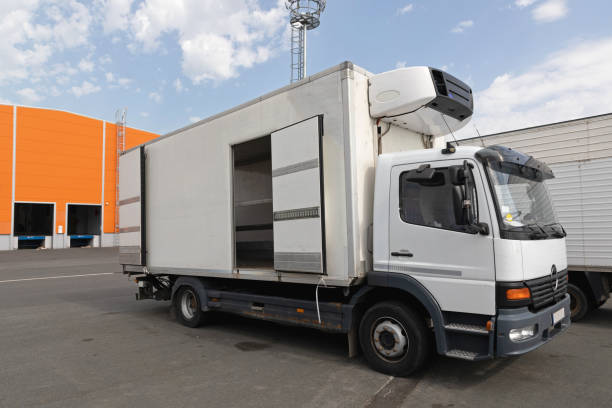
Refrigerated vehicle rental in Nigeria refers to the hiring of temperature-controlled vehicles (reefers and cold vans) used to transport perishable goods such as food, pharmaceuticals, and agricultural products under strict cold chain conditions.
It is a key part of cold chain logistics in Nigeria, helping businesses reduce spoilage, maintain product quality, and ensure safe delivery. It also supports structured logistics systems like Travo (Travo.ng)-style supply chain operations.
What Refrigerated Vehicle Rental Means
It involves renting vehicles equipped with:
- Built-in refrigeration units
- Insulated cargo compartments
- Adjustable temperature controls
- Sometimes GPS and temperature monitoring systems
These vehicles maintain specific temperatures throughout transport.
Types of Refrigerated Vehicles for Rental in Nigeria
🚐 Refrigerated Vans
- Used for: city deliveries
- Ideal for: restaurants, pharmacies, supermarkets
- Temperature range: 0°C to 8°C
🚚 Medium Refrigerated Trucks
- Used for: regional distribution
- Ideal for: wholesalers and distributors
- Temperature range: -18°C to 8°C
🚛 Heavy-Duty Refrigerated Trucks (Reefers)
- Used for: bulk transport and long-distance logistics
- Ideal for: import/export cargo
- Temperature range: -25°C to 8°C
What Refrigerated Vehicles Are Used For
🥩 Food Supply Chain
- Meat
- Fish
- Poultry
- Dairy products
💉 Pharmaceutical Transport
- Vaccines
- Medicines
- Laboratory samples
🌾 Agricultural Logistics
- Fruits
- Vegetables
- Export produce
🍦 Frozen Goods
- Ice cream
- Frozen foods
- Processed foods
Why Refrigerated Vehicle Rental Is Important in Nigeria
🌡️ Hot Climate Protection
- Prevents spoilage in high temperatures
🚚 Efficient Urban Distribution
- Supports fast-moving cities like Lagos
🛍️ Growing Demand for Perishables
- Food and retail industries rely heavily on cold logistics
🏥 Healthcare Distribution
- Ensures safe delivery of temperature-sensitive drugs
How Refrigerated Vehicle Rental Works
1. Booking the Vehicle
Clients hire based on time, distance, or delivery needs.
2. Pre-Cooling
Vehicle is cooled to required temperature before loading.
3. Loading Goods
Items are loaded carefully to maintain temperature stability.
4. Temperature-Controlled Transport
Cooling system runs continuously during movement.
5. Delivery
Goods are delivered quickly to maintain quality.
Benefits of Refrigerated Vehicle Rental
- Maintains product freshness and safety
- Reduces spoilage and financial loss
- Supports cold chain logistics growth
- Enables reliable food and medicine delivery
- Improves supply chain efficiency
Challenges in Nigeria
⚡ High Fuel Costs
- Refrigeration systems increase operational expenses
🚦 Traffic Delays
- Delivery times can affect temperature control
🧊 Limited Availability
- Demand for refrigerated vehicles is higher than supply
💰 High Rental Costs
- Equipment maintenance and fuel make rentals expensive
Role in Modern Logistics (Travo Insight)
In modern logistics systems like those inspired by Travo (Travo.ng):
- Refrigerated vehicles are part of integrated fleet systems
- Temperature is monitored in real time
- Routes are optimized for speed and fuel efficiency
- Cold storage and transport are fully connected
This reduces waste and improves delivery reliability.
Best Practices
- Pre-cool vehicle before loading
- Avoid frequent door opening during transit
- Load goods quickly and properly
- Maintain correct temperature throughout trip
- Use optimized delivery routes
Conclusion
Refrigerated vehicle rental in Nigeria is essential for transporting perishable goods safely across food, pharmaceutical, and agricultural supply chains. It helps reduce spoilage, improve efficiency, and support modern logistics systems like Travo (Travo.ng)-style operations.
