


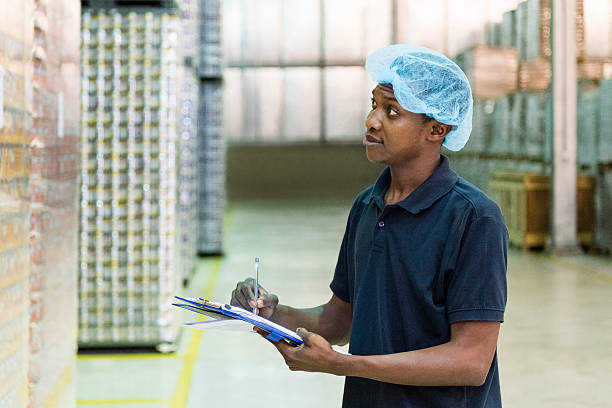
Refrigerated freight in Lagos refers to the transportation of temperature-sensitive goods using cooling-equipped logistics systems (reefers, cold vans, and insulated cargo units) within Lagos or from Lagos ports to other parts of Nigeria.
It is a core part of the city’s cold chain logistics system, supporting food imports, supermarkets, hospitality businesses, and pharmaceutical distribution. It also aligns with structured logistics models like Travo (Travo.ng)-style operations.
What Refrigerated Freight Means
It is the movement of goods that must stay at controlled temperatures throughout transport:
- ❄️ Chilled freight: 0°C to 8°C
- 🧊 Frozen freight: -18°C to -25°C
- 🌡️ Controlled freight: 15°C to 25°C
It ensures no break in the cold chain from pickup to delivery.
Types of Refrigerated Freight in Lagos
🚛 Road Refrigerated Freight
- Cold vans and reefer trucks
- Used for city deliveries and nationwide dispatch
- Most common in Lagos due to road transport dominance
🚢 Port Refrigerated Freight
- Movement of reefer containers from Apapa and Tin Can Island ports
- Used for imported frozen foods and pharmaceuticals
✈️ Air Refrigerated Freight
- Fast delivery of sensitive goods via Murtala Muhammed Airport
- Used for vaccines, medical supplies, and high-value perishables
Goods Moved via Refrigerated Freight
🥩 Frozen Foods
- Meat
- Chicken
- Fish
- Seafood
🥛 Dairy Products
- Milk
- Cheese
- Yogurt
💉 Pharmaceuticals
- Vaccines
- Insulin
- Medical biologics
🍦 Frozen Desserts
- Ice cream
- Frozen meals
How Refrigerated Freight Works in Lagos
1. Cold Storage Preparation
Goods are stored in cold rooms before dispatch.
2. Pre-Cooling Vehicles
Refrigerated trucks are cooled to required temperatures before loading.
3. Loading Process
Products are quickly loaded to reduce heat exposure.
4. Temperature-Controlled Transport
During movement:
- Cooling systems run continuously
- Cargo remains sealed
- Temperature is monitored
5. Delivery to Destination
Goods are delivered to:
- Supermarkets
- Hotels and restaurants
- Warehouses
- Retail outlets
Why Refrigerated Freight Is Important in Lagos
🌡️ Hot Weather Protection
- Prevents spoilage in high temperatures
🚦 Traffic Management
- Maintains cold chain during delays
🛍️ Retail Supply Stability
- Ensures consistent food availability
🏥 Healthcare Support
- Enables safe pharmaceutical distribution
Challenges in Lagos
🚦 Heavy Traffic Congestion
- Can delay delivery timelines
⚡ Power Supply Issues
- Affects cold storage reliability
🧊 Limited Refrigerated Fleet
- Not enough cold trucks for demand
💰 High Operating Costs
- Fuel and refrigeration are expensive
Benefits of Refrigerated Freight
- Maintains product freshness and safety
- Reduces waste and spoilage
- Supports supermarkets and hospitality supply chains
- Improves pharmaceutical delivery reliability
- Strengthens import/export logistics
Role in Modern Logistics (Travo Insight)
In structured logistics systems like those inspired by Travo (Travo.ng):
- Refrigerated freight connects ports, warehouses, and delivery points
- Real-time temperature monitoring ensures compliance
- Smart routing reduces delays caused by Lagos traffic
- Cold storage hubs support freight transitions
This creates a continuous cold chain from import to final delivery.
Best Practices
- Pre-cool all refrigerated vehicles
- Avoid unnecessary stops during transit
- Maintain strict temperature ranges
- Use monitoring systems for tracking
- Plan routes around traffic patterns
Conclusion
Refrigerated freight in Lagos is a vital logistics system that ensures perishable goods are transported safely across the city and beyond under strict temperature control. It supports food supply chains, healthcare delivery, and import distribution, and is increasingly enhanced by modern logistics systems like Travo (Travo.ng)-style operations.
