


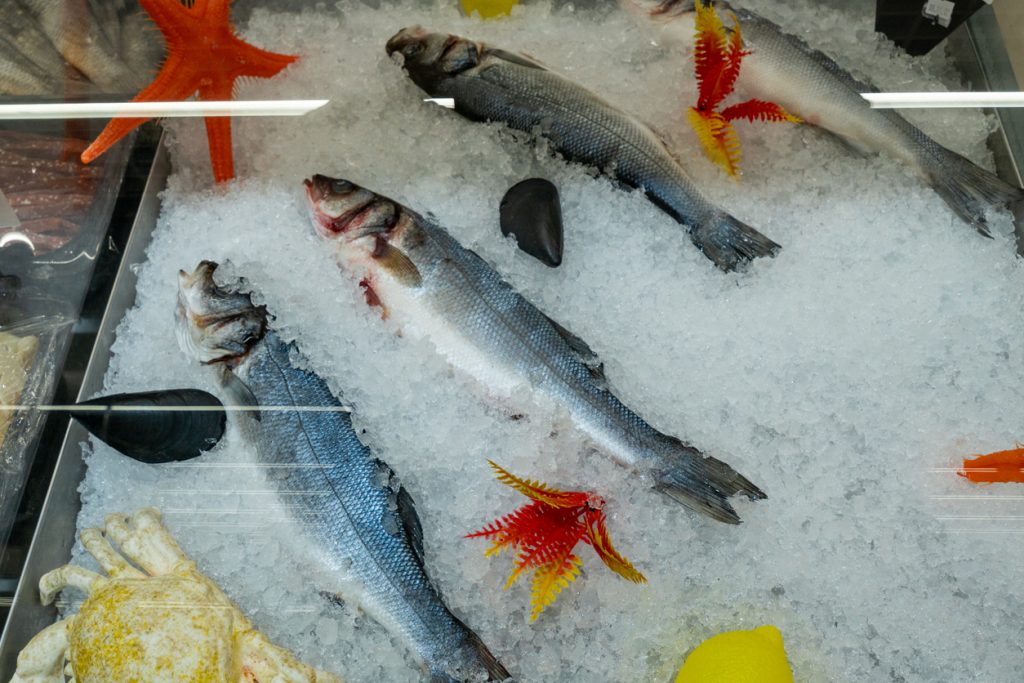
Food traders often lose money between the farm, market and final customer. Tomatoes arrive soft, leafy vegetables wilt before evening, fish begins to thaw, and dairy products become unsafe because they have remained in the heat for too long.
Reliable market cold storage in Nigeria gives traders, farmers, restaurants and food distributors a safer way to hold temperature-sensitive products until they are sold or moved. Instead of rushing to sell at a poor price, businesses can protect product quality and manage stock more carefully.
This is especially important in busy markets where electricity is unreliable, loading areas are crowded and goods may remain outdoors for several hours.
What Traders Usually Need to Keep Cold
Cold storage requirements vary by product. Fresh fish does not need the same temperature as tomatoes, yoghurt or leafy vegetables.
Products commonly kept in market cold rooms include:
- Fresh and frozen fish
- Chicken, turkey and other frozen foods
- Dairy products and beverages
- Tomatoes and peppers
- Leafy vegetables
- Fruits and fruit concentrates
- Meat and processed food
- Medicines requiring controlled temperatures
Before booking space, confirm whether the facility is suitable for your exact goods. Keeping produce at an unsuitable temperature can cause chilling damage, moisture loss or contamination.
A trader storing vegetables near Mile 12 in Lagos, for example, may need a chilled room with ventilation. A frozen food distributor operating around Wuse Market in Abuja will require much lower temperatures and dependable backup power.
How Cold Storage Reduces Pressure to Sell Quickly
Fresh food prices can change sharply within a single day. When large quantities of tomatoes, peppers or vegetables arrive at the same time, traders may be forced to reduce prices before the goods spoil.
Cold storage creates more time to find buyers. It can also help wholesalers separate stock into daily quantities rather than displaying everything at once.
This is useful when:
- A restaurant order is postponed
- A delivery vehicle arrives late
- Rain disrupts market activity
- Customer demand is lower than expected
- Produce arrives before the planned selling day
- Interstate transport is delayed
Storage does not guarantee higher profit, but it can prevent the immediate losses caused by heat, poor handling and rushed sales.
Electricity and Backup Power Cannot Be Ignored
Power supply is one of the biggest concerns when choosing market cold storage in Nigeria. A facility may appear affordable, but frequent shutdowns can expose food to repeated thawing and refreezing.
Ask the operator how electricity is maintained during outages. Dependable facilities may use generators, solar systems, inverters or a combination of power sources.
Businesses should also confirm whether temperature records are monitored. A cold room can be running while still operating above the safe range required for the stored goods.
For frozen products, even a few hours of poor temperature control can affect quality and create food safety concerns.
Cold Transport Must Match the Storage Plan
Booking a cold room is only part of the process. Goods can still spoil while travelling from the farm, warehouse or market.
For example, fish moved from Port Harcourt to Lagos may remain in transit for many hours. If it is carried in an unsuitable vehicle, placing it in cold storage after arrival may not reverse the damage already done.
A proper cold-chain plan should consider:
- Packaging before pickup
- Loading time
- Vehicle temperature
- Expected journey duration
- Offloading arrangements
- Immediate access to the cold room
Travo.ng can help coordinate cargo movement, delivery scheduling and appropriate transport arrangements for fresh or frozen products.
Questions to Ask Before Paying for Storage
Do not select a facility based only on the daily rate. Ask how goods are received, recorded and released.
Important questions include:
- Is pricing based on weight, crate, pallet or floor space?
- Is there a minimum storage period?
- What happens during equipment failure?
- Are products separated by type?
- Is the facility cleaned regularly?
- Is security available at night?
- Can goods be accessed outside normal market hours?
- Are loading workers available?
Clear answers reduce disputes and help businesses calculate the real cost of storing their products.
Arrange Cold Storage and Transport Through Travo.ng
Effective market cold storage in Nigeria helps food businesses reduce spoilage, protect stock and manage uncertain demand. The best results come when storage, packaging and transport are planned together.
Travo.ng supports farmers, market traders, restaurants, retailers and distributors with cold storage coordination, cargo logistics, vehicle hire and delivery services across Nigeria.
Whether goods are moving from a farm in Kano, a market in Lagos or a distributor in Abuja, proper cold-chain planning can preserve quality and help the business avoid preventable losses.
