


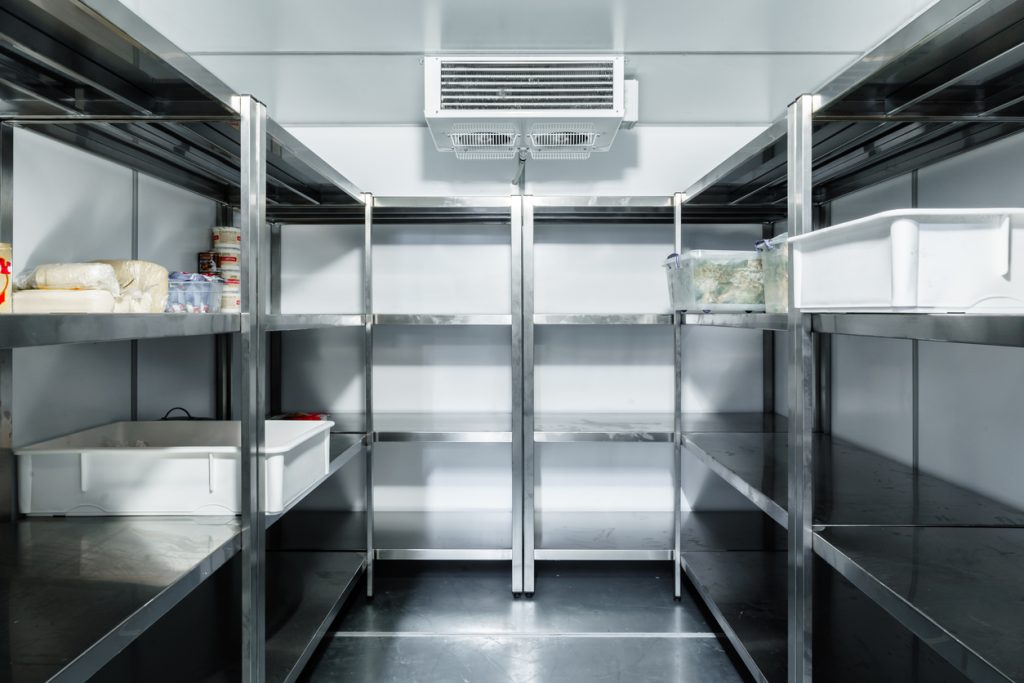
Food spoilage is a serious challenge for Nigerian farmers, traders, restaurants and food-processing businesses. A basket of tomatoes may leave a farm in Kano in good condition but arrive in Lagos bruised, overheated or already soft because of poor packaging, transport delays and unsuitable storage.
Effective food preservation in Nigeria requires more than keeping products in a warehouse. It involves choosing the right preservation method, controlling temperature, using suitable packaging and moving food quickly between farms, markets, cold rooms and customers.
Businesses that plan these stages properly can reduce waste, protect product quality and avoid losing money after goods have already been purchased or harvested.
Why Food Spoils Before Reaching the Customer
Some food losses happen because products are stored for too long, but many begin during loading and transportation.
Fresh vegetables may be left under direct sunlight while waiting for a vehicle. Frozen products can begin thawing during a traffic delay if the delivery van has no reliable cooling system. Grains may develop mould when they are packed before reaching a safe moisture level.
Common causes of food spoilage include:
- Poor ventilation during transportation
- Delays at loading or delivery points
- Weak cartons, sacks or baskets
- Unstable cold-room temperatures
- Frequent power interruptions
- Exposure to rain and moisture
- Mixing damaged produce with healthy stock
- Storing different foods under the same conditions
A good preservation plan should address the entire journey, not only what happens after the goods enter storage.
Choosing a Method That Suits the Food
Different foods require different preservation methods. Refrigeration may work for vegetables, dairy products and some fruits, while freezing is more suitable for fish, meat and poultry intended for longer storage.
Drying is commonly used for pepper, grains, vegetables and certain fish products. Proper drying reduces moisture and makes it more difficult for mould and bacteria to grow.
Other practical methods include:
- Smoking fish and meat
- Canning processed foods
- Vacuum sealing packaged products
- Fermentation
- Using airtight containers for dry goods
- Cold storage for temperature-sensitive items
The right choice depends on the type of food, how long it must be stored and the distance it will travel before sale.
Keeping the Cold Chain Stable During Transport
Cold storage is only effective when the required temperature is maintained from pickup to delivery.
For example, frozen fish transported from Lagos to Abuja may remain on the road for several hours. If it is loaded into an ordinary vehicle and exposed to heat before reaching a cold room, part of the product may thaw. Refreezing it later does not reverse the loss of quality or remove the safety risk.
Businesses moving frozen or chilled goods should confirm:
- The vehicle is suitable for temperature-controlled transport.
- Products are already at the correct temperature before loading.
- Loading and unloading will happen quickly.
- Delivery staff know the handling requirements.
- Backup arrangements exist for breakdowns or delays.
Travo.ng can help businesses coordinate suitable cargo movement, refrigerated transport and delivery scheduling for food products across Nigeria.
Packaging Can Prevent Avoidable Damage
Packaging plays an important role in food preservation in Nigeria, especially on rough roads and long interstate routes.
Tomatoes packed too tightly may be crushed under their own weight. Eggs need protective trays and stable stacking. Grains require moisture-resistant bags, while chilled products need insulated packaging when refrigerated vehicles are unavailable for short local deliveries.
Every package should protect the food from pressure, heat, moisture and contamination. It should also be strong enough to withstand loading, unloading and movement inside the vehicle.
Labelling packages with production dates, storage instructions and handling warnings can also help warehouse and delivery teams manage products correctly.
Planning Storage Around Sales and Production
Preserving food for longer does not automatically make a business more profitable. Storage costs, electricity, transport and expected market prices must be considered.
A food distributor should know how quickly stock normally sells and avoid storing more than the business can move before the recommended expiry period. Farmers should also coordinate harvest dates with available vehicles, storage space and confirmed buyers.
Useful records include:
- Date received or harvested
- Quantity placed in storage
- Recommended storage period
- Temperature requirements
- Quantity sold or dispatched
- Damaged or expired stock
These records make it easier to rotate products and use older stock first.
Arrange Food Storage and Delivery With Travo.ng
Reliable food preservation in Nigeria depends on proper handling, suitable packaging, stable storage conditions and timely transportation.
Travo.ng supports farmers, restaurants, retailers, food processors and distributors with cold-chain transport, cargo logistics, delivery coordination and storage-related services. Businesses can arrange practical support based on the food type, delivery route and required handling conditions.
With better planning from pickup to final delivery, food businesses can reduce spoilage, maintain product quality and serve customers more consistently.
