


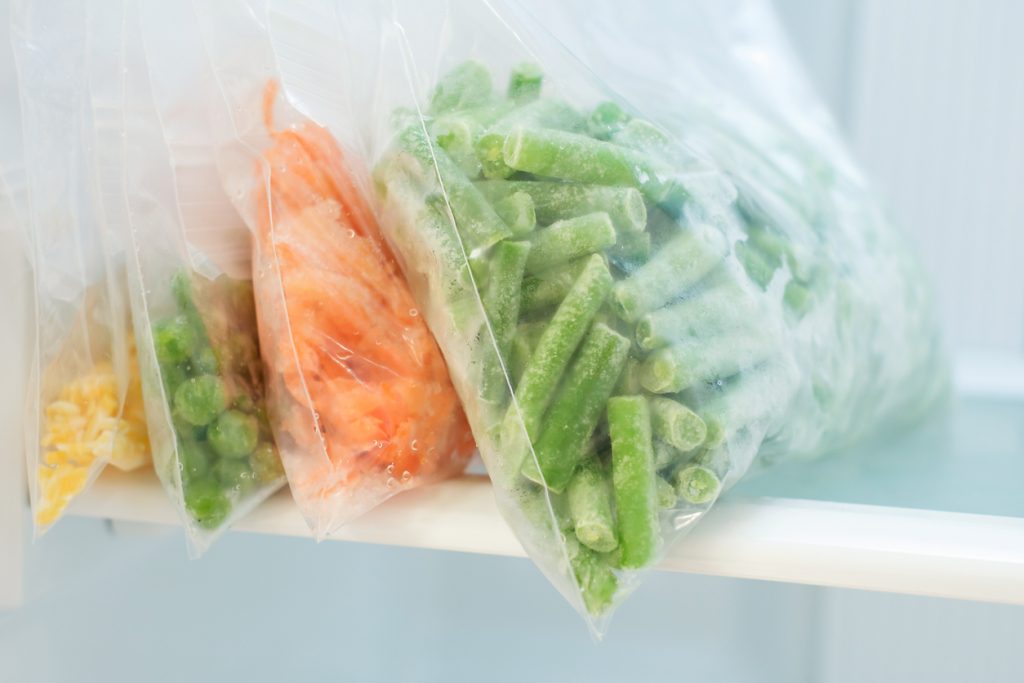
Getting fresh agricultural products from farms to buyers in good condition is one of the biggest challenges facing farmers, food processors and distributors. Tomatoes harvested in Kano, vegetables grown around Jos or fish transported from coastal communities can lose quality quickly when they are exposed to heat for too long.
A reliable agriculture cold chain in Nigeria helps control temperature from the farm or processing point to the final market. It may involve pre-cooling, cold-room storage, refrigerated vehicles and temperature-controlled distribution.
Without proper coordination, businesses can lose a significant part of their stock before it reaches supermarkets, hotels, restaurants or export terminals. Travo.ng supports agricultural businesses with practical transport, cargo coordination and cold-chain logistics suited to local operating conditions.
Where Fresh Produce Is Most Likely to Spoil
Cold-chain failure does not always happen during the longest part of the journey. Produce can begin deteriorating while waiting to be loaded, during unnecessary roadside stops or after arriving at a warehouse with no available cold-room space.
Common weak points include:
- Delayed collection after harvesting
- Using ordinary open trucks for sensitive produce
- Loading products that have not been properly cooled
- Poor packaging that blocks cold-air circulation
- Long waiting periods at markets or distribution centres
- Vehicle breakdowns without backup arrangements
- Frequent opening of refrigerated vehicle doors
- Storing different products at unsuitable temperatures
For example, a refrigerated truck may transport vegetables safely from Plateau State to Lagos, but the cold chain can still fail if the produce remains outside for several hours before unloading.
Every stage must be planned as part of one continuous movement.
Different Products Need Different Temperature Conditions
There is no single temperature that works for every agricultural product. Frozen poultry requires a different handling process from tomatoes, dairy products, leafy vegetables or fresh fish.
Some produce can also suffer chilling damage when stored at temperatures that are too low. This is why businesses should confirm the correct handling range before arranging transport or storage.
Operators should consider:
- Product type and sensitivity
- Required transport temperature
- Expected journey duration
- Packaging and ventilation needs
- Loading and unloading time
- Cold-room availability at the destination
- Backup power at storage facilities
A business moving frozen food from Lagos to Abuja may need continuous deep-freeze conditions. Fresh fruits travelling from Benue to Port Harcourt may require cooling without freezing.
Proper planning protects both product quality and customer confidence.
How Road Delays Affect Agricultural Deliveries
Nigeria’s road and traffic conditions can make cold-chain transportation difficult. Congestion around Lagos, road repairs, checkpoints and unexpected vehicle faults can extend delivery times.
A journey planned for eight hours may take considerably longer during heavy traffic, festive-season movement or poor weather.
Agricultural businesses should avoid calculating cold-chain capacity based only on the normal journey time. Refrigerated vehicles must have enough fuel and cooling capability to handle realistic delays.
Dispatch teams should also monitor the trip and stay in contact with the driver. When a serious delay occurs, the receiving warehouse or customer should be informed early so unloading arrangements can be adjusted.
Travo.ng can help coordinate suitable vehicles, delivery schedules and transport support for agricultural cargo moving within and between Nigerian states.
What Businesses Should Confirm Before Booking
Before handing fresh or frozen goods to a logistics provider, ask clear operational questions.
Confirm whether:
- The vehicle can maintain the required temperature.
- The cooling unit will remain active throughout the journey.
- The cargo space is clean and suitable for food products.
- Temperature records can be provided when necessary.
- The driver understands cold-chain handling procedures.
- Backup support is available if the vehicle breaks down.
- Delivery and unloading times have been agreed in advance.
Businesses should also provide accurate details about the cargo. The weight, volume, packaging type, pickup location and required temperature will determine the most suitable vehicle and loading plan.
Reducing Waste Before the Vehicle Arrives
Cold-chain logistics starts before transportation. Farmers and suppliers can reduce spoilage by harvesting at the right time, sorting damaged products and keeping produce away from direct sunlight.
Goods should be packed before the vehicle arrives. Loading chilled products into a warm vehicle or leaving refrigerated doors open for too long can raise the cargo temperature quickly.
For regular deliveries, businesses should develop a repeatable schedule covering harvesting, cooling, loading, transportation and receiving. This makes costs easier to manage and reduces avoidable delays.
Arrange Agricultural Cold-Chain Support With Travo.ng
An effective agriculture cold chain in Nigeria helps farmers, distributors, food processors and retailers deliver safer products while reducing preventable losses.
Travo.ng provides practical support for refrigerated transport, cargo movement, delivery coordination, vehicle hire and storage-related logistics. Whether the shipment involves fresh vegetables, frozen food, fish, dairy products or processed agricultural goods, the journey can be planned around the product’s handling requirements.
With suitable equipment, realistic scheduling and proper coordination, agricultural businesses can move temperature-sensitive products across Nigeria with greater confidence.
