


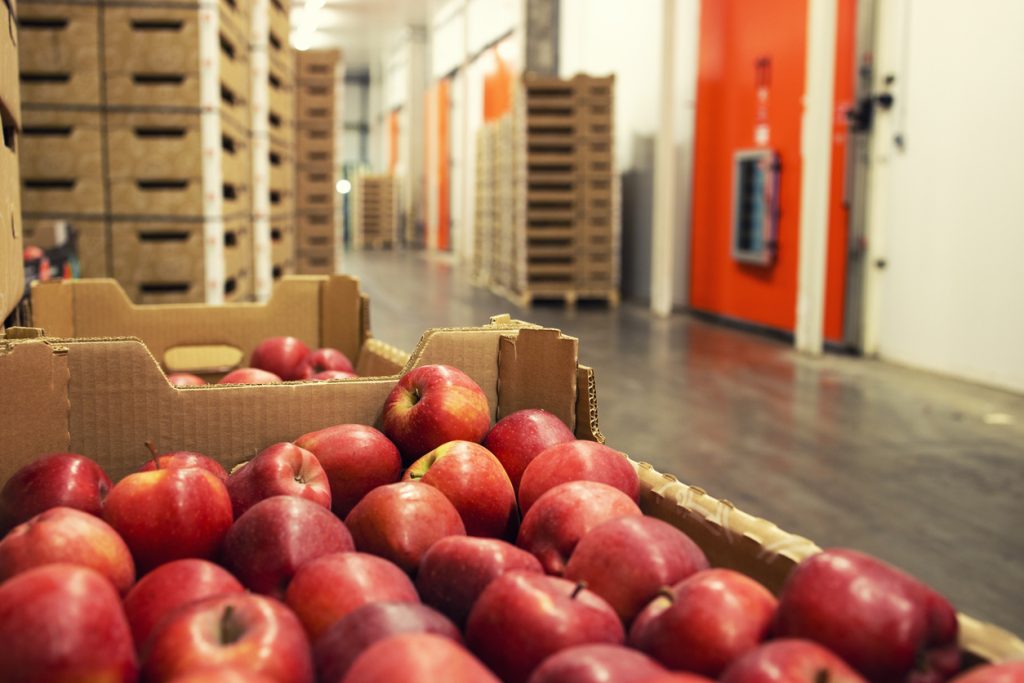
Agricultural cooperatives often collect large quantities of produce from several farmers at once. This gives members stronger bargaining power, but it also creates a serious storage problem. Fresh vegetables, fruits, fish, dairy products and other perishables can lose quality quickly when buyers, transport vehicles or processing facilities are not immediately available.
Reliable cold storage for cooperatives in Nigeria helps preserve these products until they can be sold or moved. Instead of forcing members to accept low prices on harvest day, a cooperative can hold produce under suitable conditions while arranging transport, negotiating with bulk buyers or preparing orders for supermarkets and food processors.
The facility must, however, match the type of produce being stored. A cold room alone cannot prevent losses when goods are badly handled, poorly packaged or delivered after they have already started deteriorating.
What Cooperatives Should Confirm Before Booking Space
Cold-storage facilities are not all designed for the same products. Fresh tomatoes require different handling from frozen fish, poultry or dairy products.
Before paying for space, cooperative leaders should confirm:
- The temperature range available
- Whether backup power is provided
- How often temperatures are recorded
- The minimum quantity accepted
- How storage charges are calculated
- Whether loading and offloading support is available
- The facility’s cleaning and pest-control procedures
- How members can access stored goods
Some operators charge per crate, pallet, kilogram or occupied space, while others use daily or monthly rates. Cooperatives should request a clear breakdown so members understand the full cost before sending their produce.
Delayed Transport Can Cancel the Value of Refrigeration
Produce needs to reach the facility quickly and in good condition. A cooperative may book an efficient cold room, yet still lose stock because harvested goods remained under the sun for several hours while members waited for a vehicle.
For example, vegetables collected from farms around Jos and transported to Abuja should be sorted, packed and dispatched early. Leaving them in tightly packed sacks or loading damaged produce alongside healthy stock can lead to faster spoilage during the journey.
Transport planning should cover:
- Collection times for each participating farmer
- Suitable crates or insulated packaging
- Vehicle capacity and loading order
- Estimated travel time to the facility
- Alternative arrangements for breakdowns or delays
Travo.ng can help cooperatives coordinate cargo movement, scheduled pickups and appropriate vehicles for agricultural products.
How Shared Storage Can Lower Costs for Members
Individual smallholder farmers may not produce enough volume to book cold storage economically. A cooperative can combine produce from several members and negotiate as one customer.
Shared storage also makes it easier to supply restaurants, hotels, supermarkets and processors that require consistent quantities. Instead of each farmer delivering a few baskets separately, the cooperative can assemble, grade and dispatch a larger order from one location.
To prevent disputes, every delivery should be recorded. The cooperative needs a simple stock register showing:
- Member’s name
- Type of produce
- Quantity received
- Condition on arrival
- Storage date
- Quantity removed or sold
- Any recorded damage or weight loss
Clear records help members understand how their produce was handled and how sales proceeds should be divided.
Power Supply Must Be Part of the Storage Decision
Electricity reliability is one of the most important considerations when choosing cold storage in Nigeria. A facility that depends entirely on public power may struggle to maintain the required temperature during prolonged outages.
Cooperatives should ask whether the operator uses generators, solar power or another backup system. They should also find out how quickly staff respond when equipment fails and whether customers are informed when temperature levels change.
The cheapest facility may become expensive if spoiled stock has to be discarded. It is often better to pay for dependable temperature control than risk losing an entire harvest.
Plan Storage Around Confirmed Buyers
Cold storage extends shelf life, but it does not preserve produce indefinitely. Cooperatives should avoid storing goods without a realistic sales plan.
Before collecting large volumes, confirm likely buyers, expected quantities, delivery dates and payment terms. Storage expenses, transport costs and possible quality loss should be compared with the expected selling price.
Arrange Cooperative Storage and Transport With Travo.ng
Effective cold storage for cooperatives in Nigeria requires coordinated collection, reliable refrigeration, proper stock records and timely delivery to buyers.
Travo.ng supports agricultural groups with cargo logistics, transport coordination, delivery services and suitable storage arrangements. By managing storage and movement together, cooperatives can reduce spoilage, protect members’ income and supply larger customers more reliably.
