


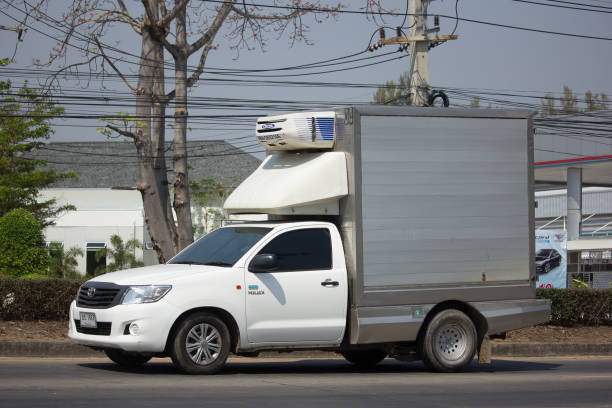
Mobile cold storage in Nigeria refers to portable, transportable refrigeration systems used to store perishable goods at controlled temperatures while in transit or temporarily stationed at locations without permanent cold rooms.
It is a flexible part of the cold chain logistics system, widely used for food distribution, pharmaceuticals, events, and emergency supply chains. It also aligns with modern logistics models like Travo (Travo.ng)-style operations.
What Mobile Cold Storage Means
It is essentially a movable cold room, which can be:
- Refrigerated trucks (reefers)
- Cold vans
- Insulated containers with cooling systems
- Trailer-mounted cold rooms
It provides cooling anywhere it is deployed.
Types of Mobile Cold Storage in Nigeria
🚚 Refrigerated Trucks (Reefer Trucks)
- Large-scale transport units
- Used for bulk frozen or chilled goods
🚐 Cold Vans
- Smaller delivery vehicles
- Used for urban last-mile delivery (especially Lagos)
🧊 Mobile Cold Containers
- Portable cold rooms placed at sites
- Used for markets, farms, or ports
⚡ Solar-Powered Mobile Cold Units
- Off-grid refrigeration systems
- Common in rural or unstable power areas
Temperature Ranges
❄️ Chilled Storage
- 0°C to 8°C
- Used for:
- Milk
- Vegetables
- Fresh meat
- Seafood
🧊 Frozen Storage
- -18°C to -25°C
- Used for:
- Frozen meat
- Ice cream
- Frozen poultry and fish
Where Mobile Cold Storage Is Used in Nigeria
🚢 Ports & Import Zones
- Temporary holding during customs clearance
🌾 Farms & Agricultural Sites
- Post-harvest cooling to reduce spoilage
🛒 Markets & Distribution Points
- Temporary cold hubs for retailers
🎉 Events & Catering
- Keeps food fresh during weddings and large gatherings
🏥 Healthcare & Emergency Use
- Vaccine and medicine transport in remote areas
How Mobile Cold Storage Works
1. Cooling System Activation
The unit is pre-cooled to required temperature.
2. Loading of Goods
Perishable items are loaded quickly to minimize heat exposure.
3. Temperature Control During Movement or Stationing
- Continuous refrigeration
- Real-time monitoring (in advanced systems)
4. Delivery or Temporary Storage
Goods are either:
- Delivered immediately
- Or stored temporarily at a site
Why Mobile Cold Storage Is Important in Nigeria
🌡️ Hot Climate Adaptation
- Prevents spoilage in high temperatures
🚚 Flexible Logistics
- Works in areas without cold rooms
🚦 Traffic & Delay Management
- Keeps goods safe during Lagos congestion
🥩 Reduces Food Waste
- Protects perishable supply chains
Challenges in Nigeria
⚡ Fuel & Power Costs
- Refrigeration systems are expensive to run
🧊 Limited Fleet Availability
- Not enough mobile cold units nationwide
🚧 Maintenance Issues
- Equipment breakdown affects cold integrity
💰 High Operating Costs
- Refrigeration + logistics = expensive operations
Benefits of Mobile Cold Storage
- Enables cold chain in remote and urban areas
- Reduces post-harvest losses
- Supports food and pharmaceutical distribution
- Improves emergency and disaster response logistics
- Enhances flexibility in supply chains
Role in Modern Logistics (Travo Insight)
In structured logistics systems like those inspired by Travo (Travo.ng):
- Mobile cold units act as moving cold hubs
- Goods are tracked with temperature monitoring systems
- They connect farms, ports, warehouses, and customers
- Enable fast last-mile cold delivery in cities like Lagos
This creates a fully flexible and decentralized cold chain system.
Best Practices
- Pre-cool units before loading
- Avoid frequent door opening
- Monitor temperature continuously
- Plan routes to reduce delays
- Use backup power or fuel systems
Conclusion
Mobile cold storage in Nigeria is a vital logistics solution that provides flexible, transportable refrigeration for perishable goods across food, healthcare, and retail supply chains. It is especially important in environments like Lagos and is increasingly becoming a core part of modern cold chain systems like Travo (Travo.ng)-style networks.
