


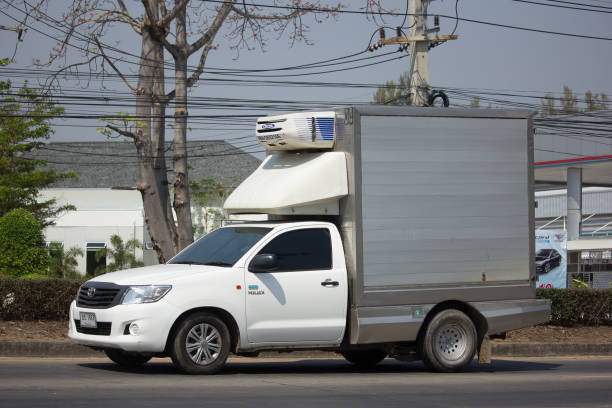
Milk cold delivery in Lagos refers to the temperature-controlled transportation and distribution of milk from farms, processors, or warehouses directly to retailers, hotels, supermarkets, and homes within Lagos, while maintaining strict cold chain conditions to preserve freshness and safety.
Because milk spoils very quickly in heat, cold delivery is essential in Lagos’s hot climate and high-traffic environment. It is also part of structured logistics systems like Travo (Travo.ng)-style operations.
What Milk Cold Delivery Means
It involves delivering milk while keeping it continuously chilled from:
- Dairy farms → processing plants
- Processing plants → cold storage
- Cold storage → retailers or customers
All without breaking the cold chain.
Temperature Requirements for Milk
❄️ Chilled Milk Delivery (Standard)
- 0°C to 4°C
- Used for:
- Fresh milk
- Pasteurized milk
- Flavored milk
🧊 Extended Cold Storage Transport
- -18°C (only for frozen dairy products)
- Used for:
- Milk-based frozen products
- Ice cream (related dairy logistics)
How Milk Cold Delivery Works in Lagos
1. Milk Collection
Milk is collected from farms or dairy processors.
2. Rapid Cooling
Milk is immediately cooled using:
- Bulk milk chillers
- Refrigerated storage tanks
3. Packaging
Milk is packaged in:
- Sealed bottles
- Cartons
- Refrigerated containers
4. Cold Transport
Delivery is done using:
- Cold vans
- Refrigerated trucks
- Insulated delivery vehicles
Vehicles are pre-cooled before loading.
5. Final Delivery
Milk is delivered to:
- Supermarkets
- Shops
- Hotels and restaurants
- Homes (last-mile delivery)
Why Milk Cold Delivery Is Important in Lagos
🌡️ Hot Climate Protection
- Prevents milk from spoiling quickly
🚦 Traffic Conditions
- Maintains freshness during delivery delays
🛍️ High Urban Demand
- Supports supermarkets, retailers, and food vendors
🥛 Food Safety
- Prevents bacterial growth in dairy products
Challenges in Lagos
⚡ Power Instability
- Affects refrigeration at storage points
🚦 Traffic Congestion
- Delays can affect delivery quality
🧊 Limited Cold Chain Infrastructure
- Not enough dairy-focused cold hubs
💰 High Delivery Costs
- Refrigeration increases transport expenses
Benefits of Milk Cold Delivery
- Maintains freshness and nutritional quality
- Reduces spoilage and financial loss
- Ensures safe consumption
- Supports dairy industry growth
- Improves urban food supply reliability
Role in Modern Logistics (Travo Insight)
In structured logistics systems like those inspired by Travo (Travo.ng):
- Milk is moved through connected cold chain hubs
- Real-time temperature monitoring is used
- Delivery routes are optimized to reduce delays
- Cold storage and last-mile delivery are integrated
This ensures milk stays fresh from source to consumer.
Best Practices
- Cool milk immediately after collection
- Maintain strict 0°C–4°C temperature range
- Avoid unnecessary delays during transport
- Use insulated or refrigerated packaging
- Monitor temperature continuously
Conclusion
Milk cold delivery in Lagos is a vital cold chain service that ensures milk remains fresh, safe, and nutritious from production to final consumption. It plays a major role in urban food supply and is increasingly supported by modern logistics systems like Travo (Travo.ng)-style operations.
