


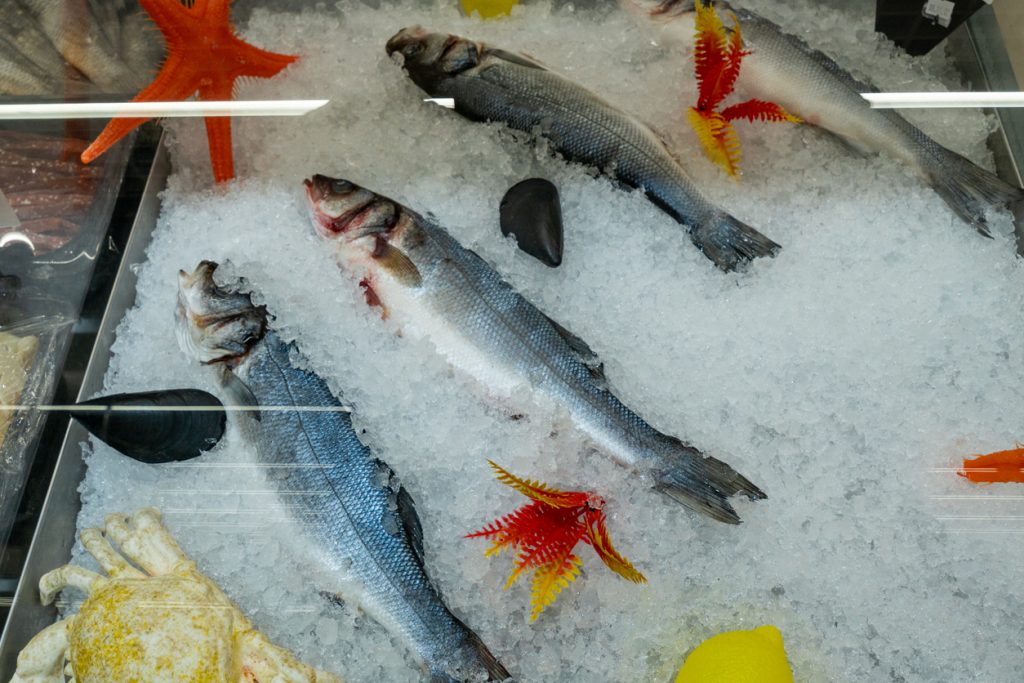
Fish can lose its quality quickly when temperature control fails. For fish farmers, wholesalers, restaurants, supermarkets and frozen-food sellers, even a few hours of poor handling can lead to soft texture, unpleasant odour, reduced shelf life and serious financial loss.
Reliable fish cold storage in Nigeria helps businesses preserve fresh and frozen seafood until it is ready for processing, distribution or sale. However, booking a cold room is only one part of the process. The fish must also be handled, packaged and transported correctly before it reaches the facility.
A practical cold-chain plan protects the product from the point of harvest or purchase until it reaches the final customer.
Fresh Fish and Frozen Fish Need Different Handling
Fresh fish is highly perishable and should be cooled immediately after harvesting or purchase. Fish from farms around Ibadan, Abeokuta or Epe may need to reach Lagos restaurants and markets on the same day. During that journey, insulated containers and sufficient ice help slow bacterial growth.
Frozen fish must remain consistently frozen. Allowing cartons to thaw during loading and then freezing them again can affect texture, appearance and product safety.
Before choosing a storage arrangement, confirm:
- Whether the fish is fresh, chilled or fully frozen
- The required storage temperature
- How long it will remain in the facility
- The quantity and packaging method
- How often stock will enter or leave the cold room
- Whether refrigerated transport is also required
These details determine the type of cold storage and handling support needed.
Where the Cold Chain Commonly Breaks Down
Many fish losses happen before the goods enter a cold room. Problems often begin during loading, transportation or delays at the market.
A seafood distributor moving frozen fish from Apapa to a warehouse in Ikeja may encounter heavy traffic around Oshodi. If the delivery vehicle has weak insulation or unreliable refrigeration, the cartons can begin to soften before arrival.
Common cold-chain problems include:
- Loading fish under direct sunlight
- Using vehicles without proper insulation
- Leaving cold-room doors open for too long
- Overloading storage spaces
- Unstable electricity supply
- Poorly sealed cartons or containers
- Repeated thawing and refreezing
- Delayed pickup after stock is released
These issues can reduce product quality even when the cold room itself is functioning properly.
What to Check Before Booking Fish Cold Storage in Nigeria
Do not choose a facility simply because it is close or inexpensive. Visit the location where possible, or ask detailed questions about its equipment and operating procedures.
The facility should have a suitable temperature range, clean storage areas and dependable backup power. In many parts of Nigeria, relying only on public electricity is risky for temperature-sensitive products.
Also confirm whether the facility records temperatures regularly. A working thermometer is not enough if nobody checks or documents the readings.
Businesses should ask whether:
- Backup generators are available and properly maintained.
- Fish products are separated from unsuitable goods.
- Pest control and cleaning are carried out regularly.
- Staff follow clear loading and access procedures.
- Stock can be monitored by quantity and arrival date.
- Emergency contacts are available outside normal hours.
A lower storage fee may become expensive if products are damaged by poor temperature control.
Plan Transport Before the Fish Leaves the Farm or Port
Cold storage and transportation should be arranged together. Waiting until the fish has already been harvested, purchased or cleared from the port can create unnecessary delays.
For fresh fish, use clean containers with adequate ice and drainage. For larger frozen consignments, refrigerated trucks or properly insulated vehicles may be necessary.
Delivery timing also matters. Moving fish through Lagos during early morning hours may reduce exposure to long traffic delays. Interstate consignments from Port Harcourt to Abuja or Lagos require more detailed planning, including fuel stops, vehicle condition and backup arrangements.
Travo.ng can help coordinate cargo transportation, pickup schedules, refrigerated movement and suitable storage support based on the type and quantity of fish.
Keep Stock Records and Rotate Products Properly
Cold rooms can preserve fish, but they cannot make old stock fresh again. Businesses should record the date each consignment enters storage and use older stock before newer deliveries.
Each batch should be labelled with important information such as:
- Product type
- Quantity
- Storage date
- Supplier or farm
- Expected release date
Good stock rotation reduces waste and makes it easier to identify slow-moving products before storage charges become too high.
Arrange Reliable Cold-Chain Support With Travo.ng
Effective fish cold storage in Nigeria depends on stable temperatures, proper packaging, timely transportation and careful stock management.
Travo.ng supports fish farmers, seafood distributors, retailers and hospitality businesses with cold-storage coordination, cargo logistics and delivery services across Nigeria. By arranging transportation and storage as one connected process, businesses can reduce spoilage, protect product quality and supply customers more reliably.
