


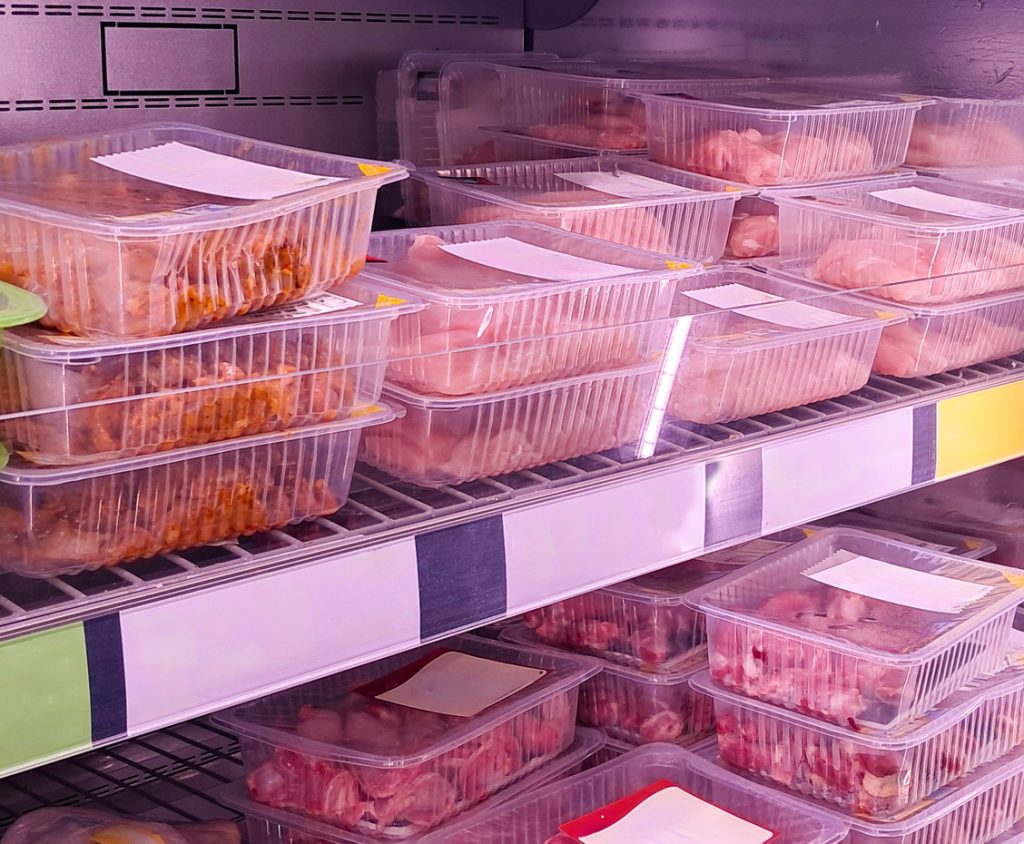
Frozen food businesses in Nigeria depend on more than having access to a cold room. Products must remain at the right temperature during transportation, unloading, storage and final delivery. A single delay or power failure can damage stock worth hundreds of thousands or even millions of naira.
Reliable frozen food storage in Nigeria helps importers, supermarkets, restaurants, caterers and food distributors protect items such as chicken, turkey, fish, prawns and processed foods. It also gives businesses a practical way to hold stock until it is needed instead of rushing products into the market.
The right arrangement should combine dependable cold storage with careful handling, backup electricity and suitable refrigerated transport.
What to Confirm Before Moving Products Into a Cold Room
Not every facility advertised as cold storage is suitable for frozen goods. Some rooms are designed to chill fresh products rather than keep already frozen food at a stable temperature.
Before booking space, ask the operator about the storage temperature and how it is monitored. Frozen meat and fish generally require lower temperatures than fruits, vegetables and dairy products.
Businesses should also confirm:
- Whether the facility has backup generators
- How often temperatures are recorded
- Whether products are stored on pallets
- How the room is cleaned and maintained
- Whether different food categories are separated
- What happens during equipment failure
- Who is allowed to access stored goods
These questions matter because frozen products can begin to thaw before the problem is visible. Repeated freezing and thawing can affect texture, taste, safety and shelf life.
Lagos Traffic Can Break the Cold Chain
Transport is often the weakest part of frozen food logistics. A cold room may be working properly, but products can still be damaged while moving through Lagos traffic.
For example, a delivery from Apapa to a supermarket in Lekki may take several hours during heavy congestion. Using an open van or an ordinary vehicle without insulation can expose the goods to heat before they reach the destination.
A suitable frozen-food movement plan should consider:
- The type and volume of products
- Loading and unloading time
- Distance to the destination
- Expected traffic conditions
- Vehicle refrigeration capacity
- Availability of staff at the receiving point
Deliveries are often safer when scheduled early in the morning or outside peak traffic periods. Travo.ng can help businesses coordinate appropriate vehicles, delivery times and cold-chain transport for frozen products.
How Storage Charges Are Usually Calculated
The cost of frozen food storage in Nigeria depends on the facility, location, temperature requirement and quantity of goods.
Some operators charge per carton, pallet or crate. Others offer daily, weekly or monthly rates for dedicated space. Businesses handling large volumes may negotiate for a section of a cold room or an entire storage unit.
Before accepting a quote, confirm whether it includes:
- Loading and offloading
- Pallet use
- Inventory handling
- Generator or power charges
- Security
- Weekend access
- Delivery to another location
A low initial price may become expensive when extra handling and electricity fees are added later. Requesting a complete cost breakdown makes it easier to compare facilities properly.
Common Mistakes That Lead to Frozen Stock Losses
One frequent mistake is delivering goods to a cold room without confirming available space. When the facility is full, products may remain inside a vehicle or outside the storage area while another arrangement is made.
Businesses also lose stock when cartons are wet, torn or stacked too high. Weak packaging can collapse under pressure, while damaged cartons make inventory counting more difficult.
Another mistake is failing to record the condition and quantity of products at arrival. Every delivery should have a clear stock count, entry date and collection record. Products with earlier expiry dates should normally leave first.
Arrange Cold Storage and Transport With Travo.ng
Dependable frozen food storage in Nigeria requires stable electricity, correct temperatures, secure handling and transport that protects the cold chain from pickup to delivery.
Travo.ng helps food importers, distributors, supermarkets, restaurants and catering businesses arrange cold storage, refrigerated transport, cargo movement and scheduled deliveries across Nigeria.
By coordinating storage and transportation together, businesses can reduce spoilage, manage stock more efficiently and deliver frozen products to customers in better condition.
