


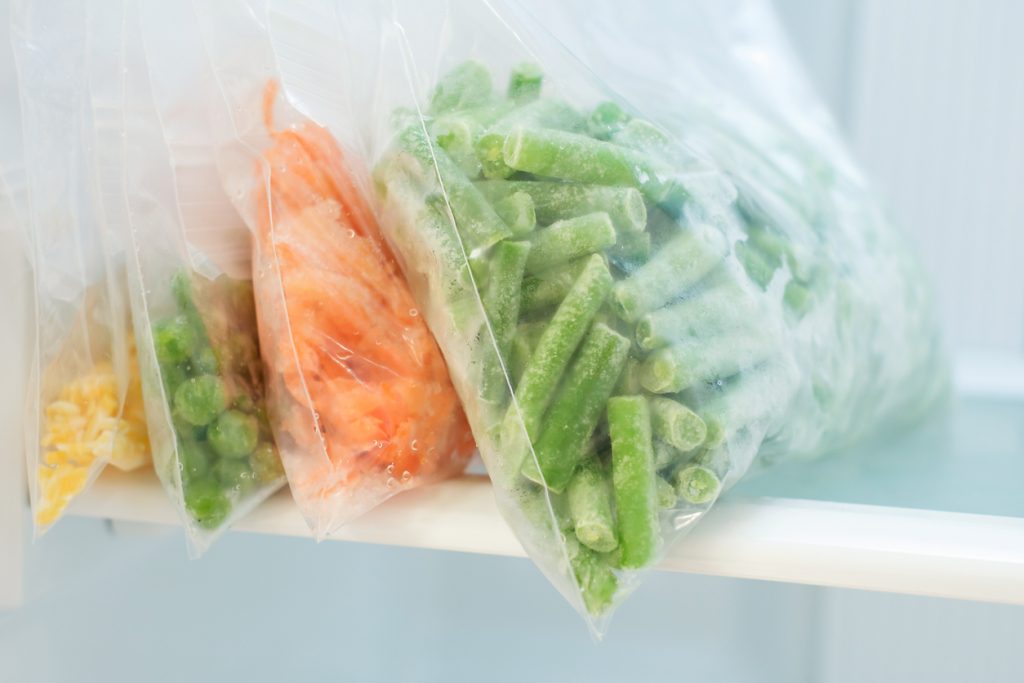
Fresh vegetables can lose quality quickly after harvest, especially when they are exposed to heat, poor ventilation and delays during transportation. Tomatoes may soften, leafy vegetables can wilt, and peppers may develop mould before they reach retailers or food processors.
Reliable vegetable cold storage in Nigeria helps farmers, wholesalers, supermarkets and restaurants preserve produce for longer while reducing avoidable losses. However, keeping vegetables fresh requires more than renting space inside a cold room. Temperature, handling, packaging and transport must all work together.
Why Vegetables Often Spoil Before Reaching the Buyer
Many vegetables travel long distances from farms in northern and central Nigeria to major markets in Lagos, Abuja and Port Harcourt.
Tomatoes and peppers moving from Kano, Kaduna or Plateau State may spend several hours on the road. When produce is packed tightly into weak baskets, left under direct sunlight or delayed at loading points, deterioration begins before the vehicle reaches its destination.
Common causes of spoilage include:
- Harvesting vegetables during the hottest part of the day
- Packing produce while it is wet
- Overloading baskets and plastic crates
- Poor ventilation inside transport vehicles
- Delays at collection and delivery points
- Frequent opening of cold-room doors
- Unstable electricity supply
- Mixing damaged vegetables with fresh stock
Cold storage cannot completely reverse damage that has already happened. The produce must be handled properly from the farm to the storage facility.
Different Vegetables Need Different Temperatures
One of the biggest mistakes businesses make is storing every vegetable under the same conditions.
Leafy vegetables such as spinach, lettuce and ugu generally require cooler conditions and higher humidity than onions or mature pumpkins. Tomatoes also need careful temperature management because excessive cold can affect their texture and flavour.
Before booking a facility, provide clear details about:
- The type of vegetable being stored
- The quantity and packaging method
- When the produce was harvested
- Its condition on arrival
- The expected storage period
- How frequently stock will be removed
This information helps the facility operator recommend suitable storage conditions instead of placing the produce in a general cold room without proper planning.
Cold Transport Matters as Much as the Facility
A good cold room will not solve the problem if vegetables spend hours inside a hot vehicle before arrival.
For example, produce collected from a farm near Jos and sent to Abuja may arrive in reasonable condition if it is loaded early, properly ventilated and delivered without unnecessary stops. The same vegetables may suffer significant damage if loading begins late in the afternoon and the vehicle remains parked for hours.
Temperature-sensitive produce may require insulated or refrigerated transport, especially for longer routes. Travo.ng can help businesses coordinate suitable cargo vehicles, scheduled pickups and cold-chain movement alongside storage arrangements.
This reduces the gap between harvesting, transportation and storage.
What to Check Before Booking Vegetable Cold Storage
Do not select a cold-storage facility based only on the lowest price. A poorly managed facility can result in stock losses that are far more expensive than the rental fee.
Ask the operator these practical questions:
- Is backup power available during outages?
- Are temperatures monitored throughout the day?
- How are vegetables arranged to allow airflow?
- Is the facility cleaned and disinfected regularly?
- Are different products stored separately?
- Can stock be accessed outside standard working hours?
- How are shortages or damaged items documented?
Businesses should also inspect their produce before storage and record the quantity delivered. Photographs and signed inventory records can help prevent disagreements later.
How Storage Costs Should Be Calculated
Vegetable cold-storage charges may depend on the weight, number of crates, occupied space, storage temperature and length of stay.
The cheapest option is not always the most economical. A facility with reliable power, accurate temperature control and proper stock handling may protect more of the produce and reduce overall losses.
When comparing quotations, include:
- Transportation to and from the facility
- Loading and offloading charges
- Packaging or crate replacement
- Daily or weekly storage fees
- Expected spoilage during storage
- Delivery costs to the final buyer
The total cost should be compared with the value of produce that can realistically be preserved and sold.
Arrange Cold Storage and Produce Transport With Travo.ng
Effective vegetable cold storage in Nigeria depends on proper timing, suitable temperatures and careful movement between farms, warehouses and buyers.
Travo.ng helps farmers, produce distributors, supermarkets, restaurants and food businesses coordinate cold storage, cargo transport and scheduled deliveries across Nigeria.
With storage and transport planned together, businesses can reduce spoilage, maintain better product quality and deliver fresher vegetables to customers.
