


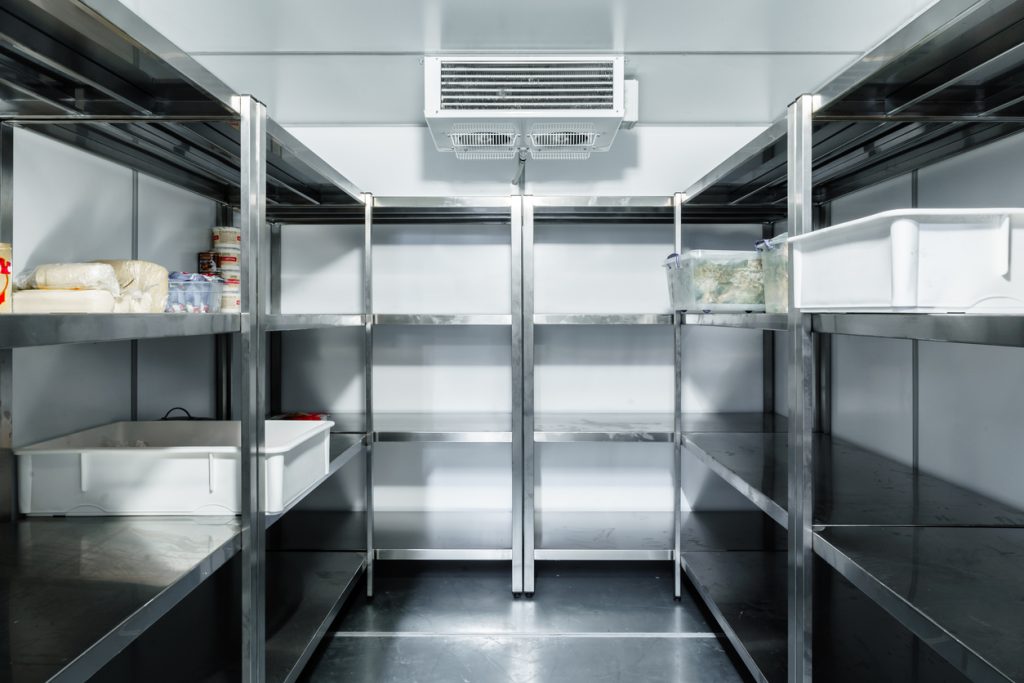
Keeping perishable goods fresh is difficult when electricity supply is unreliable and diesel costs keep rising. Farmers, food distributors, pharmacies and hospitality businesses can lose valuable stock within hours when refrigeration fails.
This is why solar cold storage in Nigeria is becoming a practical option for businesses that need dependable temperature control. Instead of relying entirely on the national grid or a generator, solar-powered cold rooms use energy from the sun to keep produce, food products and other temperature-sensitive items within a controlled range.
The solution is especially useful in farming communities, open markets and distribution areas where electricity is either unstable or unavailable.
Where Cold Storage Problems Usually Begin
Many post-harvest losses happen before produce reaches the final buyer. Tomatoes harvested in Kano, vegetables grown around Plateau State or fish landed in coastal communities may remain under the sun while transport and buyers are being arranged.
Without immediate cooling, the quality begins to decline. By the time the goods reach Lagos, Abuja or Port Harcourt, part of the shipment may already be damaged.
Common problems include:
- Produce waiting too long before transportation
- Generator breakdowns during storage
- High diesel costs
- Poor temperature monitoring
- Delays at loading and unloading points
- Using unsuitable vehicles for refrigerated goods
- Opening cold-room doors too frequently
Solar cold rooms can reduce some of these losses by providing a stable storage point close to where goods are harvested, processed or sold.
How Solar Cold Storage Works in Daily Operations
A solar cold-storage facility uses solar panels to generate electricity for the refrigeration system. Depending on the design, batteries or thermal storage may keep the cooling unit running when sunlight is low.
The cold room must still be managed properly. Goods should be sorted before storage, damaged items removed and products arranged to allow air to circulate.
Different products also require different temperature conditions. Fresh vegetables should not automatically be stored at the same temperature as frozen fish, dairy products or medicines.
Before placing goods inside a facility, businesses should confirm:
- The recommended storage temperature
- How long the items can remain in storage
- The available cold-room capacity
- How frequently temperatures are recorded
- Whether backup power is available
- How the goods will be transported after collection
Good storage protects the products, but the delivery plan must also preserve the cold chain.
What It May Cost to Use a Solar Cold Room
The cost of solar cold storage in Nigeria depends on the location, product type, temperature requirement, storage period and volume of goods.
Some facilities charge per crate, kilogram, pallet or day. Others may offer weekly or monthly arrangements for farmers, wholesalers and food-processing businesses.
A vegetable trader storing a few crates for two days will usually pay differently from a frozen-food distributor reserving a large section of a cold room for several weeks.
Businesses should request a clear quotation that explains:
- Storage charges
- Loading and handling fees
- Packaging requirements
- Minimum storage volume
- Transport costs
- Charges for extended storage
- Insurance or liability terms
The cheapest quotation is not always the safest choice. A facility that lacks reliable temperature records may expose the business to much larger losses.
Moving Goods Without Breaking the Cold Chain
Temperature-controlled storage is only one part of the process. Goods can still spoil if they are moved in an open vehicle, left at a loading bay or delayed during delivery.
For example, frozen products travelling from a storage facility in Lagos to customers in Ibadan should be packed correctly and loaded into a suitable vehicle. The delivery route, departure time and expected travel duration should be planned before the goods leave the cold room.
Early-morning departures can help reduce exposure to heat and avoid heavy traffic around areas such as Berger, Ojota and the Lagos-Ibadan Expressway.
Travo.ng can support businesses with cargo logistics, vehicle coordination, delivery planning and transport arrangements for temperature-sensitive goods.
Who Can Use Solar-Powered Cold Storage
Solar cold storage can support different sectors across Nigeria, including:
- Fruit and vegetable farmers
- Fish and poultry businesses
- Dairy distributors
- Supermarkets and restaurants
- Pharmaceutical suppliers
- Food-processing companies
- Agricultural cooperatives
- Event and hospitality businesses
It is particularly valuable for businesses operating in areas where grid electricity is inconsistent and generator costs make conventional refrigeration expensive.
Arrange Practical Cold-Chain Support With Travo.ng
Reliable solar cold storage in Nigeria can help businesses reduce spoilage, extend product shelf life and protect the value of perishable goods. However, effective cold-chain operations also require suitable packaging, careful handling and dependable transportation.
Travo.ng helps businesses coordinate cargo movement, delivery services, vehicle hire and logistics support across Nigeria. Whether goods are moving from a farm to a market, a cold room to a supermarket or a distributor to customers in another state, proper planning helps maintain quality throughout the journey.
Combining solar-powered storage with organised transport gives farmers, retailers and distributors a more reliable way to move perishable goods without unnecessary losses.
